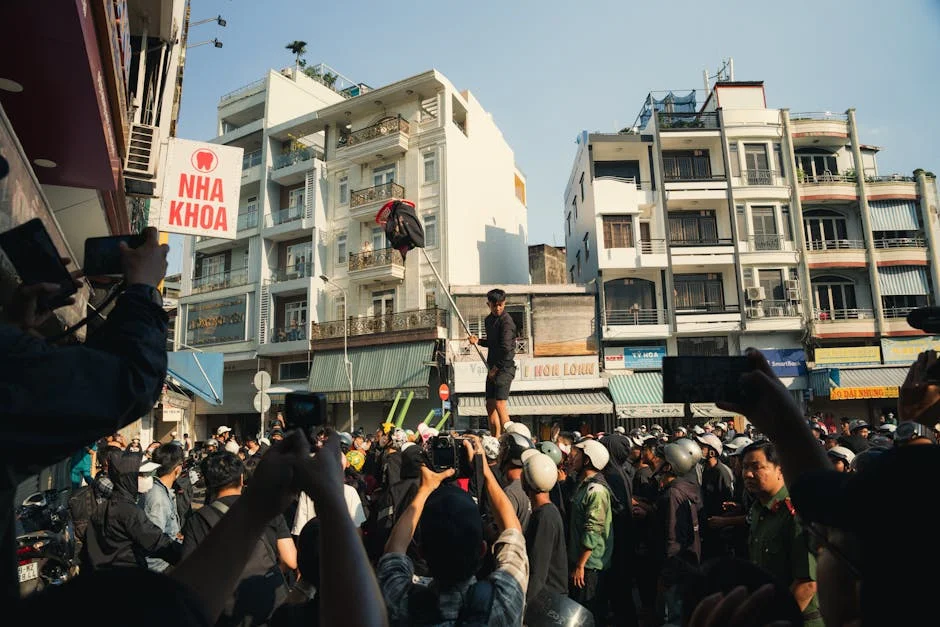
The conflict in Nigeria’s Plateau state has intensified, with reports of renewed violence between herders and farmers over land and resources. The dispute, rooted in deep-seated ethnic and religious tensions, has left dozens dead and thousands displaced in recent weeks. As the crisis escalates, the question of how to achieve lasting peace remains unanswered, raising concerns about the broader implications for Nigeria’s stability and development.
Plateau Conflict: A Legacy of Tension
Plateau state, located in central Nigeria, has long been a flashpoint for conflict. The region is home to a mix of ethnic groups, including the Hausa-Fulani, who are predominantly Muslim, and the Christian Ngas and Berom. Over the years, competition for land and water has fueled clashes, often exacerbated by the influx of pastoralists from the north into the mainly agrarian south. This has led to a cycle of violence that has been difficult to break.

Analysts say the conflict is not just about land but also about identity and power. "The struggle in Plateau is about survival, belonging, and control over resources," said Dr. Adebayo Adeyemi, a political analyst based in Abuja. "The government has failed to address the root causes, and that has allowed the violence to persist."
Impact on Development and Governance
The ongoing violence in Plateau has had a significant impact on the state’s development. Infrastructure projects have been delayed, and many communities remain disconnected from basic services. The local economy, which relies heavily on agriculture, has been disrupted, pushing more people into poverty. This undermines Nigeria’s broader development goals, including the Sustainable Development Goals (SDGs) related to poverty reduction, education, and health.
Moreover, the inability of the federal and state governments to restore order has eroded public trust in governance. "When the government can’t protect its citizens, people lose faith in the system," said Fatima Hassan, a civil society activist in Jos, the capital of Plateau. "This creates a vacuum that is filled by insecurity and lawlessness."
Peace Is a Gradual Process
Despite the challenges, some community leaders and civil society groups are working to promote peace. Local initiatives, such as dialogue forums and interfaith meetings, have shown some success in reducing tensions. However, these efforts are often underfunded and lack the support of national authorities.
Peace activists argue that a lasting solution requires more than just security measures. "We need to address the underlying issues—land rights, access to education, and economic opportunities," said Samuel Gyang, a peacebuilder in Plateau. "Without that, any peace agreement will be temporary."
What’s Next for Plateau and Nigeria?
As the conflict continues, the international community and regional bodies like the African Union are calling for urgent action. Some experts suggest that a more coordinated approach involving local, national, and international actors is needed to prevent further bloodshed. This includes investment in conflict resolution programs and support for local peace initiatives.
The situation in Plateau is a microcosm of the challenges facing many African nations. It highlights the need for inclusive governance, sustainable development, and long-term investment in peacebuilding. For Nigeria, the stakes could not be higher—both for the people of Plateau and for the country’s future as a stable and prosperous nation.
Frequently Asked Questions
What is the latest news about plateau conflict escalates and peace remains a long shot?
The conflict in Nigeria’s Plateau state has intensified, with reports of renewed violence between herders and farmers over land and resources.
Why does this matter for economy-business?
As the crisis escalates, the question of how to achieve lasting peace remains unanswered, raising concerns about the broader implications for Nigeria’s stability and development.
What are the key facts about plateau conflict escalates and peace remains a long shot?
The region is home to a mix of ethnic groups, including the Hausa-Fulani, who are predominantly Muslim, and the Christian Ngas and Berom.