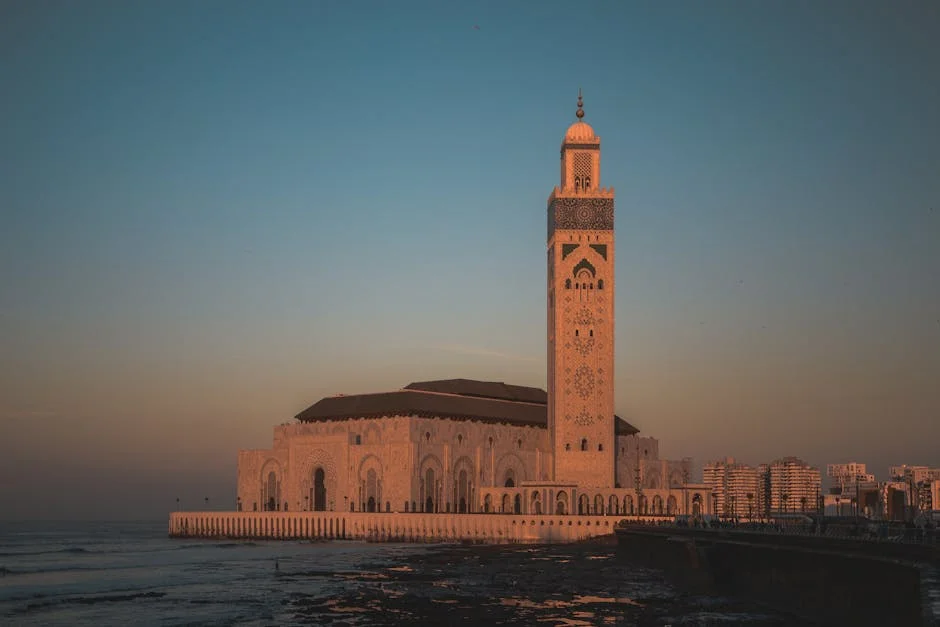
Morocco has officially launched its largest solar energy project, the Noor Ouarzazate complex, marking a pivotal shift in the country’s renewable energy strategy. The initiative, which spans multiple solar farms in the Sahara Desert, is set to supply clean electricity to over a million homes and significantly reduce the nation’s reliance on fossil fuels. The project, backed by international investors and the African Development Bank, highlights Morocco’s growing role as a leader in sustainable energy on the continent.
The Noor Ouarzazate project is not just a national milestone but a regional one, with implications for Africa’s broader development goals. As the continent grapples with energy poverty, climate change, and economic disparities, Morocco’s investment in green infrastructure offers a blueprint for other African nations. The project is expected to create thousands of jobs, boost local economies, and position Morocco as a key player in Africa’s energy transition.
Morocco’s Green Ambitions and Regional Influence
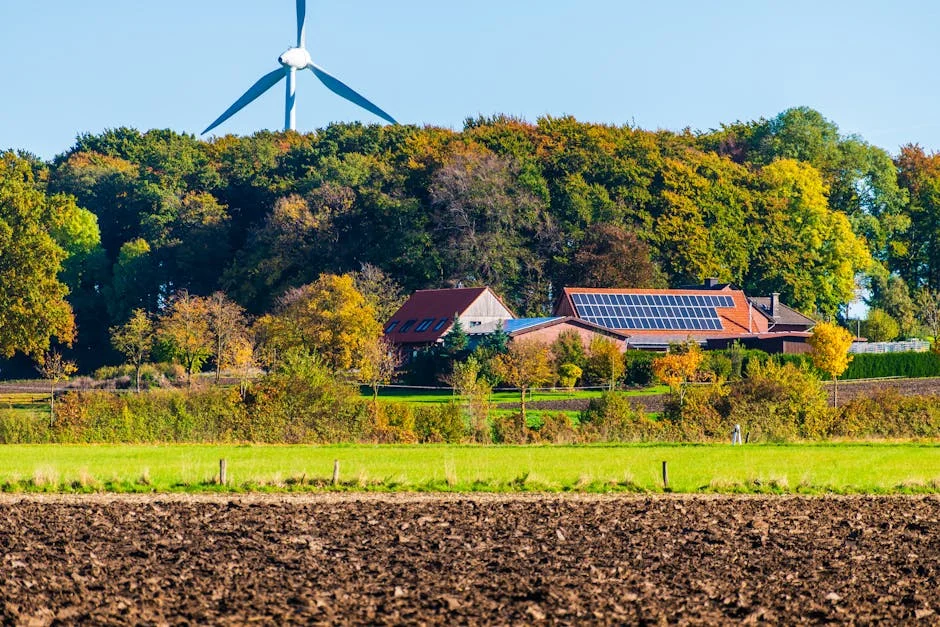
Morocco’s push for renewable energy is part of its broader vision to become a green hub for North and West Africa. The Noor Ouarzazate complex, which includes three solar farms, is designed to generate up to 580 megawatts of power, enough to meet the needs of over a million people. The project is also a key component of Morocco’s National Energy Strategy, which aims to source 52% of its electricity from renewables by 2030.
The initiative has drawn significant investment from the World Bank and the European Investment Bank, underscoring the international community’s confidence in Morocco’s energy transition. This financial backing also highlights the growing importance of sustainable development in Africa’s economic planning. As the continent seeks to meet the United Nations Sustainable Development Goals (SDGs), particularly SDG 7 on affordable and clean energy, Morocco’s model could inspire similar investments across the region.
Challenges and Opportunities for African Development
While Morocco’s progress is commendable, the country still faces challenges in ensuring energy access for all its citizens. Despite the Noor Ouarzazate project, nearly 10% of Moroccans remain without reliable electricity, particularly in rural areas. This gap highlights the broader issue of energy inequality across Africa, where over 600 million people still lack access to electricity.
The success of Morocco’s green energy initiatives could serve as a catalyst for other African nations to invest in renewable infrastructure. Countries like Kenya, South Africa, and Egypt are already making strides in solar and wind energy, but Morocco’s scale and international partnerships offer a unique opportunity to accelerate regional development. By sharing technology, expertise, and investment, African nations could collectively move closer to achieving energy security and climate resilience.
The Broader Implications for Africa’s Economy
Morocco’s renewable energy drive is also expected to have a ripple effect on the continent’s economy. The project has already attracted significant foreign direct investment (FDI), which is crucial for African countries seeking to diversify their economic bases. As Morocco becomes a hub for green technology, it could create new markets for African businesses and attract further investment in clean energy innovation.
Moreover, the project aligns with the African Union’s Agenda 2063, which emphasizes sustainable development and economic integration. By positioning itself as a leader in renewable energy, Morocco is not only boosting its own economy but also contributing to a more interconnected and resilient African continent. This shift could help reduce the continent’s dependence on volatile fossil fuel markets and create new opportunities for economic growth.
What’s Next for Morocco and Africa?
Looking ahead, the success of the Noor Ouarzazate project will depend on continued investment, policy support, and regional collaboration. Morocco has already begun exploring partnerships with neighboring countries to expand its renewable energy network, which could lead to a more integrated and sustainable energy market across North and West Africa.
For African development, the project is a clear signal that green energy is not just an environmental goal but a viable economic strategy. As more countries follow Morocco’s lead, the continent could see a transformation in how it generates, distributes, and consumes energy. This shift could have far-reaching benefits, from reducing carbon emissions to improving public health and creating new jobs.
This gap highlights the broader issue of energy inequality across Africa, where over 600 million people still lack access to electricity. By sharing technology, expertise, and investment, African nations could collectively move closer to achieving energy security and climate resilience.