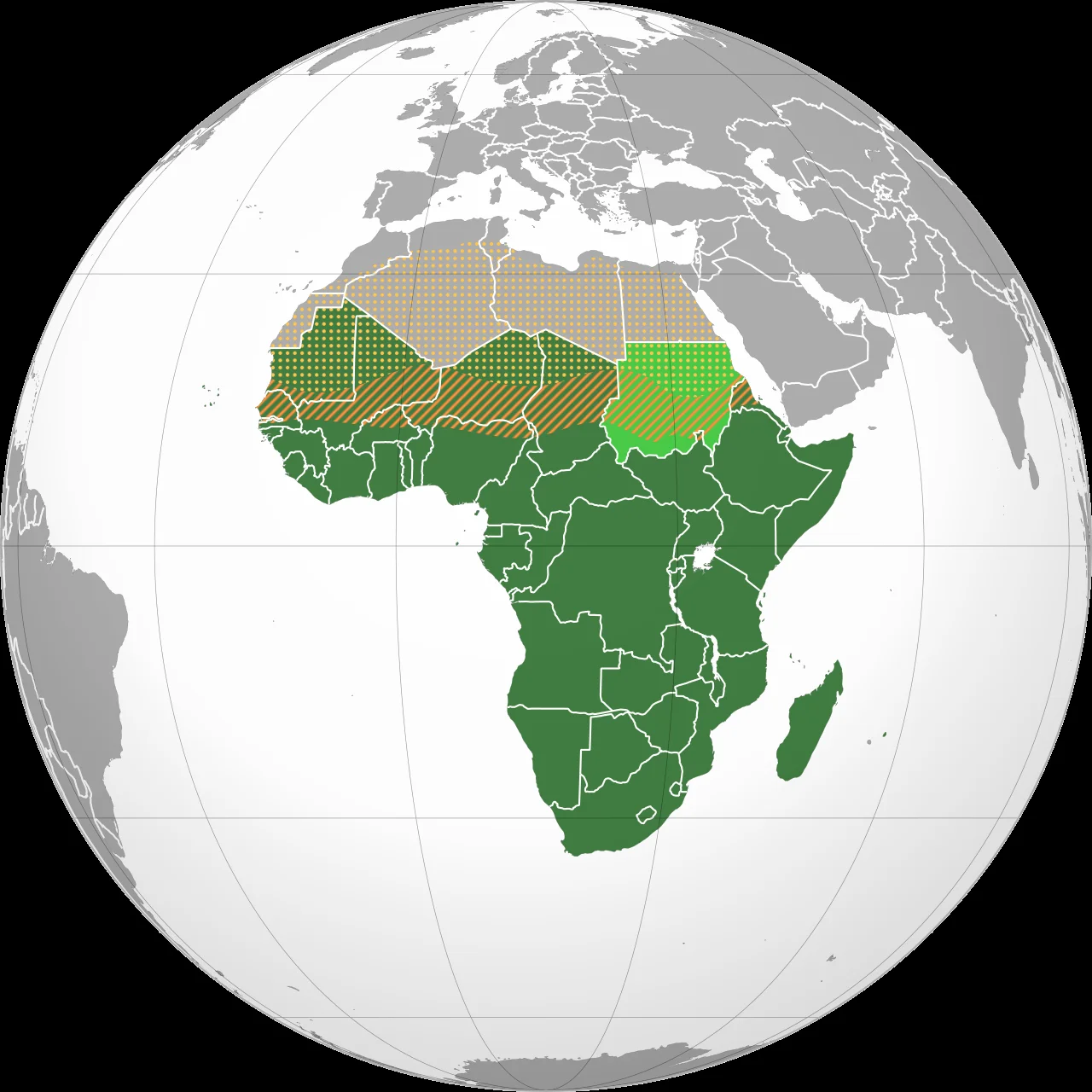
Kenya's Nyando River overflowed its banks in March, triggering severe flooding in Kisumu and surrounding areas, displacing over 50,000 people and destroying homes, farmland, and critical infrastructure. The disaster has intensified concerns over climate resilience and disaster preparedness across the continent, as African nations grapple with the increasing frequency of extreme weather events.
The flooding, exacerbated by heavy rains in the region, has left thousands in urgent need of shelter, food, and medical assistance. The Kenyan government has declared a state of emergency in the affected areas, with local authorities struggling to provide immediate relief. The Nyando River, which flows through the western part of the country, has long been a source of both livelihood and vulnerability for communities living along its banks.
Impact on Development Goals

The recent floods underscore the challenges African countries face in achieving the United Nations Sustainable Development Goals (SDGs), particularly in areas like clean water and sanitation, climate action, and reduced inequalities. With the Nyando River’s overflow disrupting agriculture and displacing communities, the progress made in rural development is now at risk.
The event highlights the urgent need for improved water management systems and climate adaptation strategies. Kenya has been working on long-term solutions, including riverbank reinforcement and early warning systems, but the scale of the disaster shows that more investment is needed. The African Union and regional bodies have called for greater collaboration in disaster response and climate resilience planning.
Regional and Continental Implications
The flooding in Kisumu is not an isolated incident but part of a broader pattern of climate-related disasters across the continent. Countries like Ethiopia, South Sudan, and Malawi have also experienced severe flooding in recent years, straining resources and hindering development. The Nyando River’s impact on Kenya serves as a warning for other nations facing similar environmental challenges.
Regional cooperation is crucial in addressing these issues. The East African Community (EAC) has been working on cross-border climate initiatives, but the recent disaster highlights the need for faster implementation of these plans. With the African Development Bank and other international partners, Kenya and its neighbors must prioritize infrastructure that can withstand extreme weather events.
Challenges and Opportunities for Growth
The disaster has also exposed the fragility of Kenya’s infrastructure, particularly in rural and semi-urban areas. Many of the affected communities lack access to durable housing, reliable transportation, and emergency services. This has raised questions about the effectiveness of current development strategies and the need for more inclusive planning.
Despite the devastation, the crisis presents an opportunity for innovation. Investments in climate-smart agriculture, resilient housing, and disaster response systems could create jobs and boost long-term economic growth. The Kenyan government, with support from the African Development Bank, is exploring ways to integrate climate resilience into its national development plan.
What’s Next for Kenya and the Region
As the Kenyan government works to provide immediate relief, the focus is shifting to long-term recovery and prevention. International aid agencies have begun mobilizing resources, but the scale of the disaster requires sustained support and coordination. The Nyando River’s overflow has also sparked renewed debate on the role of climate change in shaping Africa’s development trajectory.
For the broader African continent, the floods serve as a reminder of the urgent need for climate action and investment in resilient infrastructure. As countries like Kenya face increasing climate risks, the continent must move beyond short-term fixes and embrace a more holistic approach to sustainable development. The lessons from the Nyando River disaster will shape future policies and priorities across the region.
Frequently Asked Questions
What is the latest news about kenyas nyando river overflows 50000 displaced in kisumu?
Kenya's Nyando River overflowed its banks in March, triggering severe flooding in Kisumu and surrounding areas, displacing over 50,000 people and destroying homes, farmland, and critical infrastructure.
Why does this matter for politics-governance?
The flooding, exacerbated by heavy rains in the region, has left thousands in urgent need of shelter, food, and medical assistance.
What are the key facts about kenyas nyando river overflows 50000 displaced in kisumu?
The Nyando River, which flows through the western part of the country, has long been a source of both livelihood and vulnerability for communities living along its banks.
The East African Community (EAC) has been working on cross-border climate initiatives, but the recent disaster highlights the need for faster implementation of these plans. Many of the affected communities lack access to durable housing, reliable transportation, and emergency services.