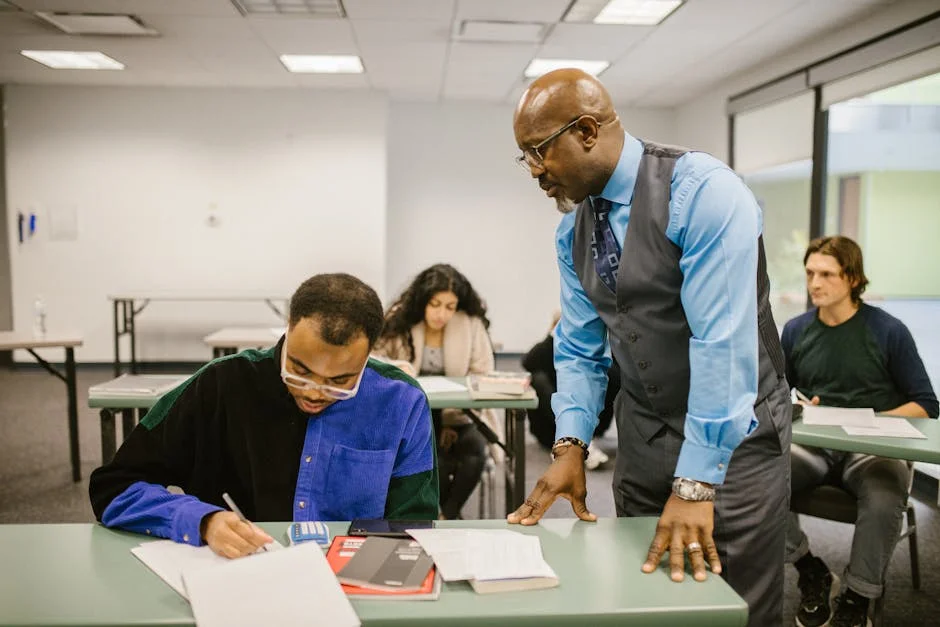
A Bengaluru professor sparked controversy after allegedly calling a student a "terrorist" during a heated exchange, highlighting tensions around free speech and religious identity in India. The incident, which took place at a university in the southern city, has drawn attention across the country and raised questions about the role of educational institutions in fostering inclusive dialogue.
The professor, identified as Dr. Ravi Kumar, reportedly made the accusation during a classroom discussion on global conflicts, including the ongoing tensions between Iran and the West. The student, a Muslim, was reportedly defending the Iranian government's stance on regional security, leading to the confrontation. The exchange, which was captured on video and shared widely on social media, has ignited a national debate over the treatment of minority voices in academic settings.
What is Bengaluru and Why Does It Matter?
Bengaluru, often referred to as the "Silicon Valley of India," is a major hub for technology, education, and research. The city is home to several prestigious institutions, including the Indian Institute of Science and the National Institute of Advanced Studies. Its role in shaping India's intellectual and economic landscape is well documented. However, the recent incident has brought into focus the challenges of balancing academic freedom with social harmony in a diverse society.
While Bengaluru is not directly linked to Nigeria, the city's influence on global discourse, particularly in areas like technology and policy, can indirectly affect African development. Nigerian students and professionals often study or work in Indian cities, including Bengaluru, contributing to cross-border knowledge exchange and economic ties.
Why Iran Matters for Global and African Development
Iran's role in global geopolitics is significant, particularly in the Middle East and its relations with Western powers. The country's nuclear programme, regional alliances, and conflicts with the United States and Israel have far-reaching implications. For African nations, the impact of Iran's actions is felt through economic partnerships, security concerns, and diplomatic relations.
Iran has been a key player in regional stability efforts in Africa, particularly in countries like Sudan and South Sudan. Its engagement in the Horn of Africa and the broader Sahel region has drawn interest from African policymakers. However, the country's involvement in conflicts and its support for certain militant groups have also raised concerns about its role in regional security.
Iran Developments Explained: What to Watch Next
The recent tensions between Iran and the West, particularly over the nuclear deal and regional conflicts, have created a volatile geopolitical environment. These developments could affect African nations through economic sanctions, trade disruptions, and shifts in diplomatic alliances. For Nigeria and other African countries, the stability of the Middle East is a key concern, as it directly impacts energy prices and regional security.
As global powers continue to navigate their relationships with Iran, African leaders are closely monitoring the situation. The continent's growing economic integration and focus on regional stability make it imperative for African nations to understand and respond to Iran's evolving role on the global stage.
Bengaluru Impact on Nigeria and the Continent
While the direct connection between Bengaluru and Nigeria may be limited, the city's influence on education, technology, and policy can have indirect effects on African development. Nigerian students and professionals in Bengaluru contribute to knowledge transfer and innovation, which can benefit the continent's economic growth.
Moreover, the incident involving the Bengaluru professor underscores the importance of inclusive dialogue and respect for diversity in educational institutions. As African countries strive to build stronger, more resilient societies, fostering environments where all voices are heard and respected is essential for long-term development.
Frequently Asked Questions
What is the latest news about bengaluru professor slams student with youre terrorist outburst?
A Bengaluru professor sparked controversy after allegedly calling a student a "terrorist" during a heated exchange, highlighting tensions around free speech and religious identity in India.
Why does this matter for politics-governance?
Ravi Kumar, reportedly made the accusation during a classroom discussion on global conflicts, including the ongoing tensions between Iran and the West.
What are the key facts about bengaluru professor slams student with youre terrorist outburst?
The exchange, which was captured on video and shared widely on social media, has ignited a national debate over the treatment of minority voices in academic settings.