A Spanish farmer has secured European Union agricultural subsidies after legally changing their gender, sparking a debate on the intersection of identity, policy, and rural development. The case, which involves a farmer in Almería, highlights the evolving legal and social frameworks in Europe and raises questions about how such policies might influence broader discussions on governance and inclusivity in African development.
The farmer, whose name has not been disclosed, underwent a legal gender change and subsequently applied for support under the EU’s Common Agricultural Policy (PAC). The application was approved, marking a rare instance where gender identity has directly impacted access to agricultural subsidies. The case has drawn attention from both legal experts and agricultural stakeholders, who are examining the implications for policy implementation across the continent.
The development is particularly relevant in the context of African development goals, where inclusivity and equitable access to resources remain central challenges. While the case is rooted in Spain, it underscores the importance of legal and policy frameworks that support marginalized groups, a principle that aligns with the African Union’s Agenda 2063. The story also highlights how policies can evolve to reflect changing societal norms, a lesson that could be valuable for African nations striving to modernize their governance structures.
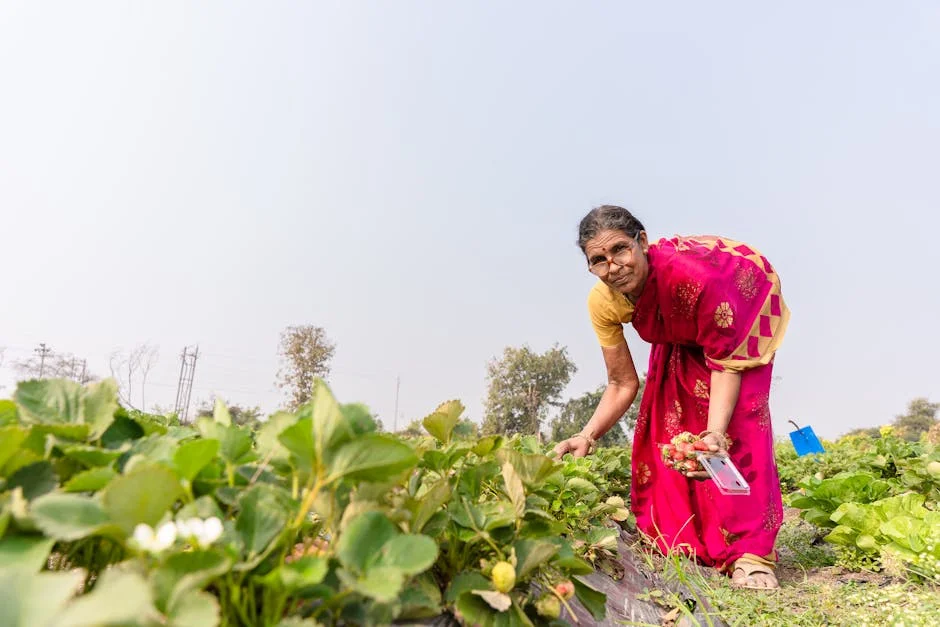
For African readers, the case serves as a reminder of the importance of legal recognition and social inclusion in driving sustainable development. In many African countries, legal barriers often hinder access to land, credit, and other essential resources for marginalized communities, including LGBTQ+ individuals. The Spanish example demonstrates how legal reforms can open doors to economic opportunities, a concept that could be adapted to address similar challenges on the continent.
The story also raises questions about the role of international policy in shaping national development strategies. As the EU continues to refine its agricultural policies, African nations could look to these developments as a model for creating more inclusive and equitable systems. The case underscores the need for African leaders to prioritize legal reforms that promote social equity, a step that could enhance economic growth and reduce inequality.
As the debate continues, the case in Almería serves as a powerful example of how policy can evolve to reflect the realities of a changing society. For African development, the story highlights the potential benefits of legal and policy reforms that prioritize inclusivity and fairness. It also emphasizes the importance of learning from global examples to shape more effective and equitable development strategies.
Frequently Asked Questions
What is the latest news about spanish farmer wins eu farm subsidies after gender change?
A Spanish farmer has secured European Union agricultural subsidies after legally changing their gender, sparking a debate on the intersection of identity, policy, and rural development.
Why does this matter for economy-business?
The farmer, whose name has not been disclosed, underwent a legal gender change and subsequently applied for support under the EU’s Common Agricultural Policy (PAC).
What are the key facts about spanish farmer wins eu farm subsidies after gender change?
The case has drawn attention from both legal experts and agricultural stakeholders, who are examining the implications for policy implementation across the continent.
For African readers, the case serves as a reminder of the importance of legal recognition and social inclusion in driving sustainable development. As the debate continues, the case in Almería serves as a powerful example of how policy can evolve to reflect the realities of a changing society.