Germany is turning to India to address a growing labor shortage, with the country’s industries facing a critical need for skilled and unskilled workers. The move comes as Germany’s economy struggles with an aging population and a decline in migration from traditional sources like Eastern Europe. The German government has reportedly initiated discussions with Indian authorities to explore pathways for workforce mobility, including visa reforms and partnerships with Indian training institutions.
Germany’s Labor Crisis and the Search for Solutions
The German labor market has been under strain for years, with the country recording a deficit of over 1 million workers in key sectors such as manufacturing, healthcare, and technology. The situation has been exacerbated by the post-pandemic economic recovery, which has increased demand for labor. With traditional migration routes from countries like Poland and Romania becoming less viable, Germany is looking eastward to India, a nation with a large, young, and educated workforce.
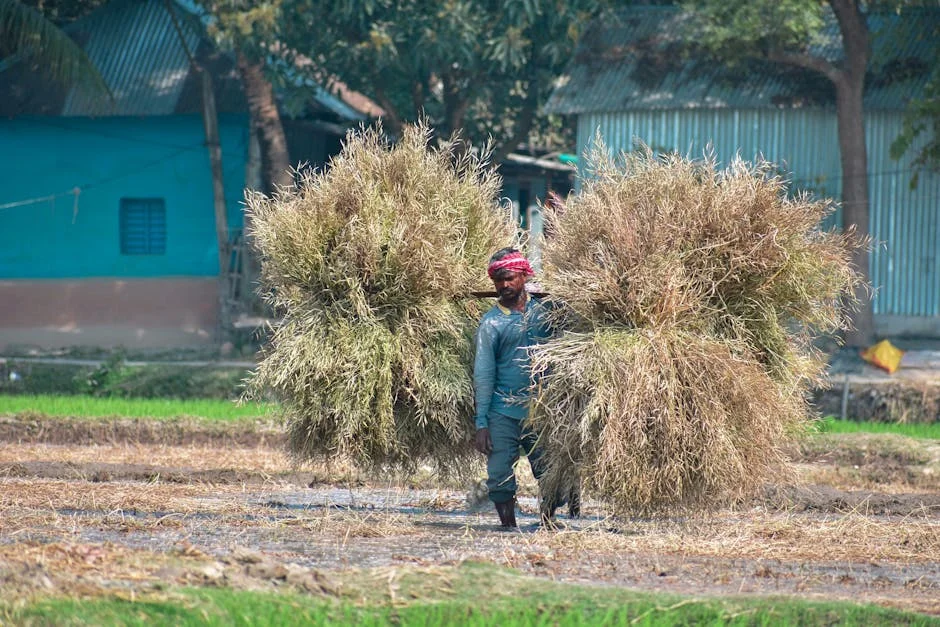
The German Federal Employment Agency (BA) has acknowledged the urgency of the situation, stating that without immediate action, certain industries could face production slowdowns. The agency has proposed a series of measures, including fast-tracking work permits for Indian professionals and expanding technical training programs. These initiatives are expected to be part of a broader strategy to strengthen labor mobility across the European Union.
India’s Role in Global Labor Markets
India has long been a key player in the global labor market, with millions of its citizens working abroad in sectors ranging from IT to construction. The country’s growing middle class and expanding education system have produced a workforce that is both skilled and adaptable. This has made India an attractive partner for countries like Germany, which are seeking to fill gaps in their labor markets.
Indian officials have expressed interest in the discussions, with the Ministry of External Affairs emphasizing the potential for mutual benefit. “India is keen to explore opportunities that align with our national development goals and support our diaspora,” said a senior official. “We are open to partnerships that enhance employment and skill development for our citizens while contributing to the economies of our partners.”
Implications for African Development and Pan-African Perspective
The growing collaboration between Germany and India raises important questions for African development. As African nations seek to build their own labor markets and reduce dependence on foreign workers, the experience of India offers both a model and a cautionary tale. India’s success in exporting skilled labor has contributed to its economic growth, but it has also raised concerns about brain drain and the need for local investment in education and training.
African countries must carefully consider how to balance labor migration with the development of their own human capital. The German-India partnership highlights the importance of creating opportunities within Africa, ensuring that young people can find meaningful work without having to leave the continent. This aligns with the African Union’s Agenda 2063, which emphasizes the need for inclusive growth, job creation, and regional integration.
At the same time, the trend underscores the need for African nations to engage more actively in global labor discussions. By building partnerships with countries like Germany and India, African governments can advocate for policies that benefit their citizens and promote sustainable development. This requires not only diplomatic engagement but also investment in education, infrastructure, and digital connectivity to ensure that African workers are competitive in the global economy.
What’s Next for Germany and India?
As the discussions between Germany and India continue, the focus will be on creating a framework that facilitates legal and ethical migration. This includes ensuring that Indian workers are treated fairly, have access to social services, and are integrated into the German labor market. The outcome of these talks could set a precedent for future labor agreements between Europe and other regions.
For Africa, the developments in Germany and India serve as a reminder of the importance of regional cooperation and economic diversification. While migration can be a powerful tool for development, it must be part of a broader strategy that includes investment in local industries, education, and innovation. As the continent moves forward, it must ensure that its people are not just participants in the global economy, but active leaders in shaping its future.