South Africa has reburied the remains of 63 Khoisan individuals in a symbolic act of restoration, marking a significant step in addressing historical injustices. The reburial, held in the Northern Cape, was conducted after the remains were returned from European institutions, where they had been stored for over a century. The event was celebrated as a victory for cultural and human dignity, reflecting broader efforts to reconcile colonial legacies with contemporary African development goals.
Historical Context and Colonial Legacy
The Khoisan, indigenous to southern Africa, were among the first groups to encounter European colonizers. Their remains were often collected during the 19th and early 20th centuries for scientific study, a practice that stripped them of their cultural and spiritual identity. The repatriation of these remains is part of a growing movement across the continent to reclaim heritage and address the lasting effects of colonialism.
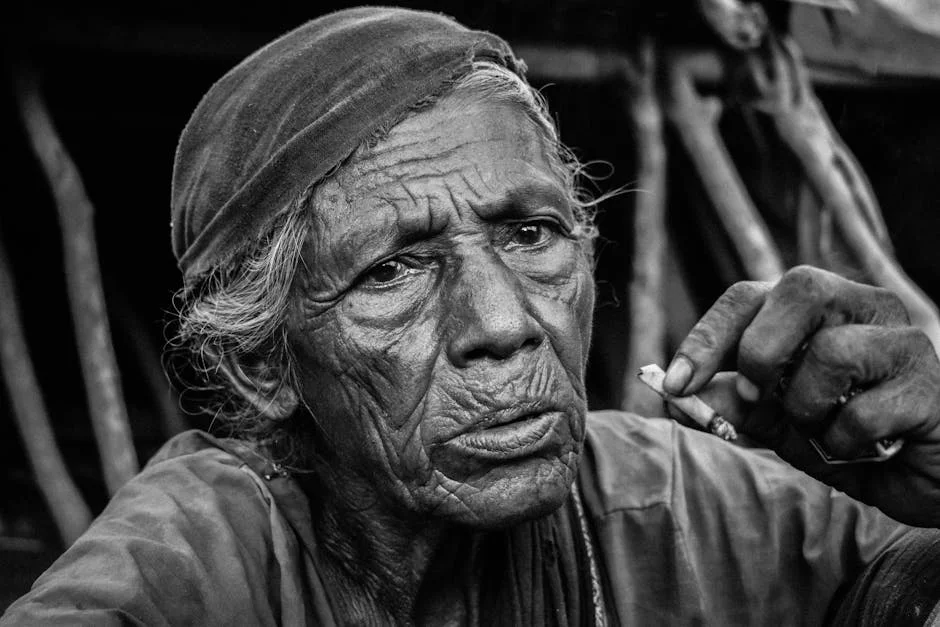
The reburial took place at a site in the Northern Cape, where Khoisan communities have long maintained cultural ties. The ceremony was attended by descendants, traditional leaders, and government officials, who emphasized the importance of acknowledging past wrongs. "This is not just about the remains, but about restoring the dignity of our people," said one community elder.
Link to African Development Goals
The reburial aligns with the United Nations' Sustainable Development Goals (SDGs), particularly those related to cultural preservation, human rights, and social equity. For African nations, the act of repatriating ancestral remains is a step toward redefining national identity and fostering inclusive development. It also highlights the need for stronger governance frameworks that prioritize cultural heritage and community involvement in decision-making.
Experts argue that such gestures are essential for building trust between governments and marginalized communities. "When a nation acknowledges its past, it paves the way for a more just and equitable future," said Dr. Noma Dlamini, a historian specializing in post-colonial African studies. "This reburial is a powerful example of how historical reconciliation can support broader development efforts."
Continental Challenges and Opportunities
While South Africa's reburial is a positive development, it also underscores the broader challenge of repatriating African artifacts and remains held in Western museums and institutions. Countries across the continent are increasingly calling for the return of cultural treasures, which they argue are integral to their historical and cultural narratives.
This movement presents both challenges and opportunities. On one hand, repatriation requires diplomatic efforts and legal frameworks to facilitate the return of artifacts. On the other, it offers a chance for African nations to assert their cultural sovereignty and invest in heritage-led development. "This is not just about the past," said a government spokesperson. "It is about building a future where African voices shape the narrative."
What's Next for Dignity and Repatriation Efforts
The reburial of the Khoisan remains has sparked renewed interest in similar initiatives across Africa. Several African countries are now reviewing their collections of human remains and artifacts, with some already initiating repatriation processes. The success of these efforts will depend on strong political will, public engagement, and international cooperation.
For Nigeria and other African nations, the Khoisan reburial serves as a reminder of the importance of cultural preservation in the context of development. It also highlights the need for a pan-African approach to addressing historical injustices. As more countries take steps to reclaim their heritage, the continent moves closer to a future defined by dignity, equity, and self-determination.
Frequently Asked Questions
What is the latest news about south africa reburies 63 khoisan remains in dignity move?
South Africa has reburied the remains of 63 Khoisan individuals in a symbolic act of restoration, marking a significant step in addressing historical injustices.
Why does this matter for economy-business?
The event was celebrated as a victory for cultural and human dignity, reflecting broader efforts to reconcile colonial legacies with contemporary African development goals.
What are the key facts about south africa reburies 63 khoisan remains in dignity move?
Their remains were often collected during the 19th and early 20th centuries for scientific study, a practice that stripped them of their cultural and spiritual identity.