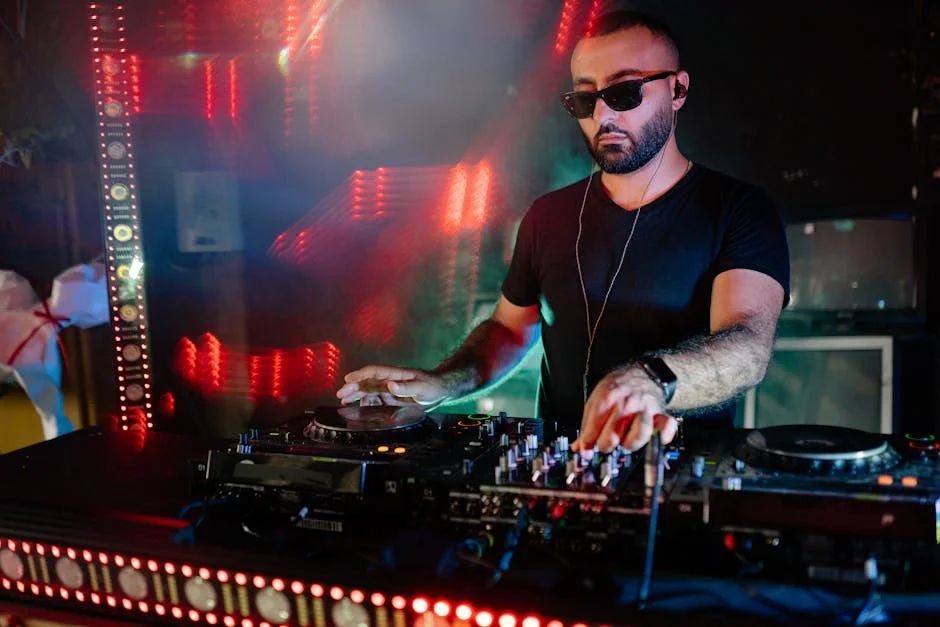
Nigerian DJs Dj Firmeza and Helviofox will represent Afrobeat at the Venice Music Biennale, a prestigious event that showcases global musical talent. The announcement highlights the growing international recognition of African music and its role in cultural diplomacy. The biennale, held in Venice, Italy, is a platform for artists to connect with global audiences and industry leaders.
The participation of Dj Firmeza and Helviofox underscores the increasing influence of African music on the global stage. Both artists are known for blending traditional African rhythms with contemporary sounds, reflecting the dynamic evolution of the continent’s cultural landscape. Their inclusion in the biennale signals a shift in how African art is perceived and valued internationally.
How Afrobeat Shapes Cultural Identity
Afrobeat, a genre rooted in Nigeria, has become a powerful symbol of African cultural identity. Artists like Dj Firmeza and Helviofox play a crucial role in preserving and promoting this heritage while also innovating. Their work resonates with younger generations, fostering a sense of pride and connection to African roots.
The global spread of Afrobeat aligns with broader African development goals, particularly in the areas of cultural preservation and soft power. As African nations seek to strengthen their international presence, music serves as a vital tool for showcasing the continent’s creativity and diversity. The Venice Music Biennale provides a unique opportunity for this narrative to gain traction.
Opportunities for African Artists
Participation in international events like the Venice Music Biennale opens new doors for African artists. It offers exposure, networking opportunities, and potential collaborations with global industry figures. For Dj Firmeza and Helviofox, this is more than a performance—it’s a chance to elevate their careers and inspire others across the continent.
The event also highlights the importance of infrastructure and support systems for African artists. Without proper platforms and investment, many talents remain undiscovered. The success of Dj Firmeza and Helviofox demonstrates the potential of African music when given the right stage and resources.
Challenges in the African Music Industry
Despite the progress, the African music industry faces significant challenges. Issues such as inadequate funding, limited access to global markets, and lack of legal protections for artists hinder growth. These obstacles often prevent talented individuals from reaching their full potential.
However, the inclusion of African artists in international events like the Venice Music Biennale can help address these challenges. It brings attention to the industry’s needs and encourages investment and policy reforms. As more artists gain global recognition, the pressure on local and regional authorities to support the sector increases.
What’s Next for African Music?
The future of African music looks promising, with increasing global interest and investment. As more artists like Dj Firmeza and Helviofox gain international exposure, the continent’s cultural influence will continue to grow. This trend aligns with broader African development goals, including economic growth through creative industries.
For Nigeria and other African countries, the success of these artists serves as a model for how cultural expression can drive national development. By investing in music and the arts, African nations can create jobs, boost tourism, and enhance their global reputation. The Venice Music Biennale is just one example of how this vision is becoming a reality.