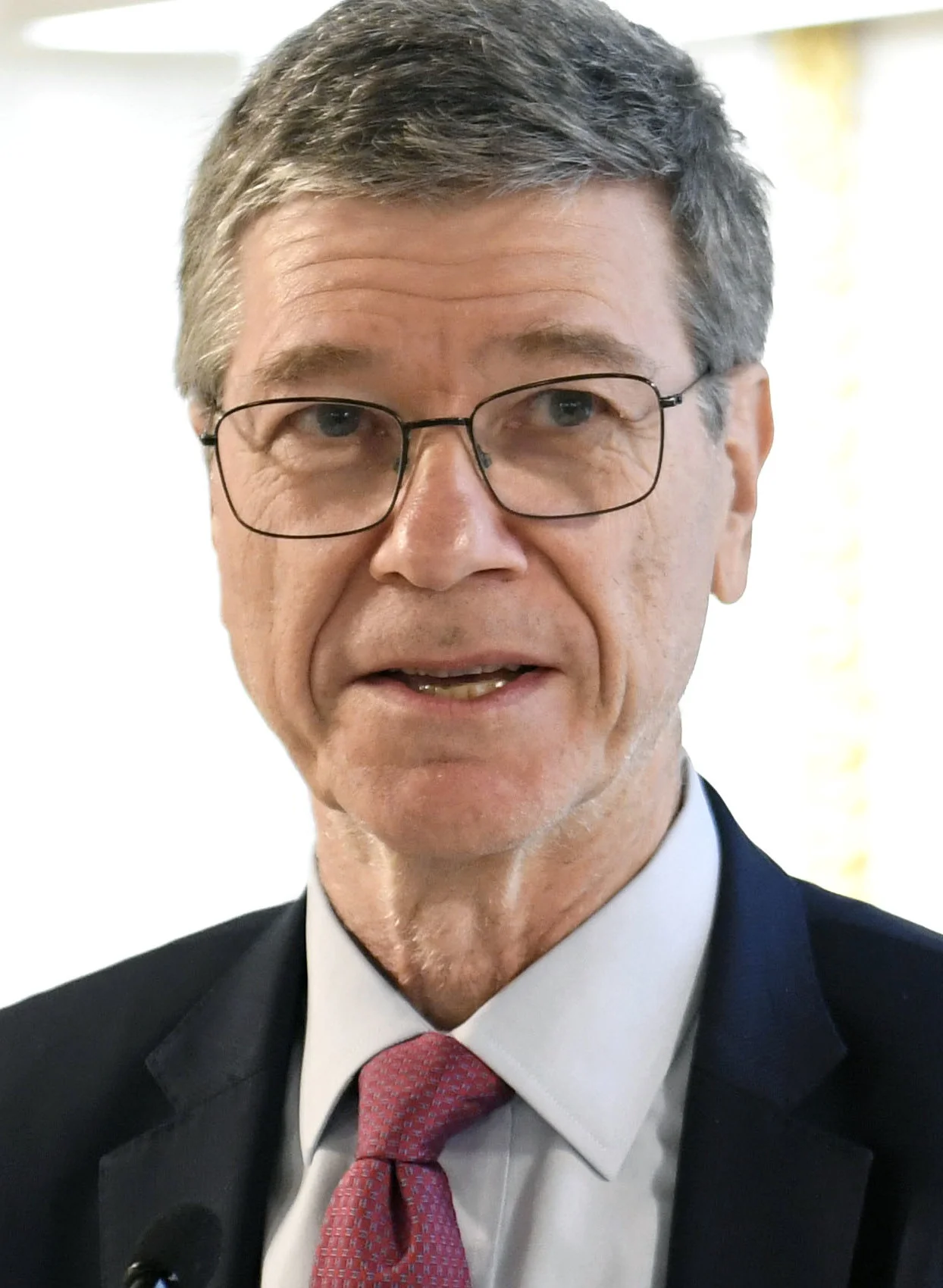
Portuguese corporate leader Godinho Correia has highlighted the growing interest of foreign investors in Nigeria's education sector, calling it a key area for development. During a recent visit to Lagos, Correia emphasized the potential for collaboration between Portuguese firms and Nigerian institutions to address long-standing challenges in the sector. The comments come as Nigeria continues to grapple with improving access to quality education and modernizing its infrastructure.
Corporate Interest in Nigerian Education
Godinho Correia, a prominent figure in Portuguese business, stated that education is one of the most promising sectors for foreign investment in Nigeria. He pointed to the country's young population and the need for skilled labor as key drivers of this interest. Correia, who is associated with a major Portuguese corporate group, said his company is exploring partnerships with Nigerian universities and technical institutions to develop training programs and digital learning platforms.

The move aligns with broader efforts by African nations to attract foreign capital for education reform. Nigeria, with a population of over 220 million, has one of the largest youth populations on the continent, yet its education system faces challenges such as underfunding, overcrowded classrooms, and a lack of modern facilities. Correia's remarks underscore the role of private sector investment in addressing these gaps.
Portugal's Growing Influence in Africa
Portugal's increasing engagement with Nigeria and other African countries reflects a broader strategy to expand its economic footprint on the continent. Historically, Portugal has had strong ties with several African nations, including Angola and Mozambique. Today, the country is focusing on sectors such as technology, energy, and education as key areas for investment and cooperation.
Correia's visit is part of a growing trend of Portuguese businesses exploring opportunities in Nigeria. The country's strategic location, large market, and growing middle class make it an attractive destination for foreign investors. However, challenges such as bureaucratic delays, political instability, and infrastructure gaps remain significant hurdles for international firms.
Education as a Catalyst for Development
Investing in education is a cornerstone of the United Nations' Sustainable Development Goals (SDGs), particularly SDG 4, which aims to ensure inclusive and equitable quality education for all. For Nigeria, improving education is essential for reducing poverty, enhancing economic growth, and fostering innovation. The involvement of foreign investors like Correia's company could play a vital role in accelerating progress toward these goals.
Experts argue that public-private partnerships are crucial for transforming Nigeria's education system. By leveraging the expertise and resources of international corporations, the country can improve access to quality education and equip its youth with the skills needed for the modern workforce. However, success will depend on strong governance, transparent policies, and sustained political will.
What's Next for Nigeria and Portugal?
Correia's remarks have sparked renewed interest in potential collaborations between Nigerian and Portuguese entities. If these partnerships materialize, they could lead to the establishment of new educational institutions, the introduction of advanced learning technologies, and the development of vocational training programs tailored to Nigeria's economic needs.
For Portugal, the move represents an opportunity to strengthen its economic ties with Nigeria and position itself as a key partner in Africa's development. However, both countries will need to navigate complex regulatory environments and ensure that investments deliver tangible benefits to local communities. As Nigeria continues to seek solutions to its education challenges, the role of foreign investment will remain a critical factor in shaping its future.