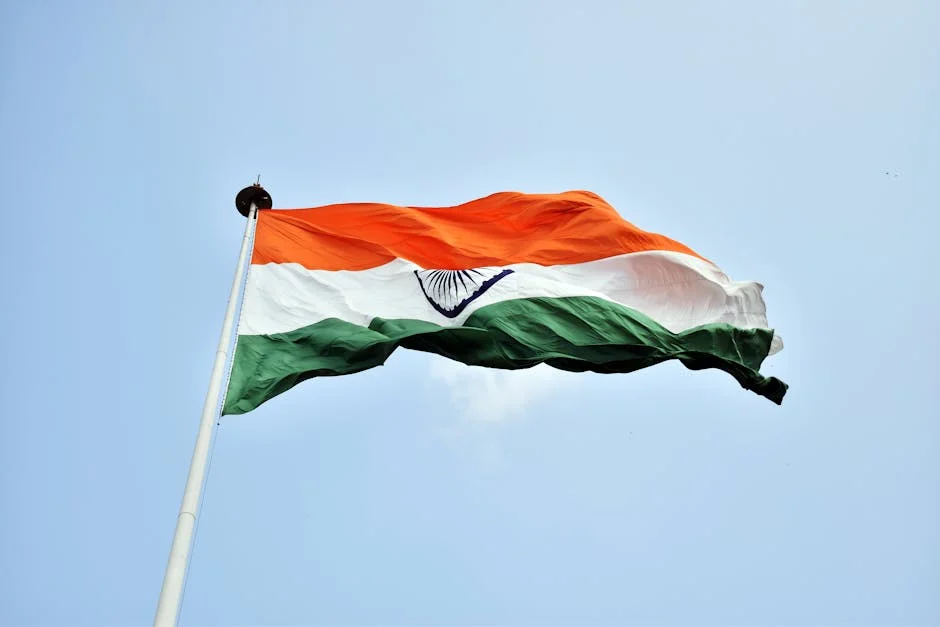
Indian Prime Minister Narendra Modi convened a high-level meeting to assess the country’s energy security as tensions between Iran and Israel, backed by the United States, continue to escalate in the Middle East. The discussion focused on mitigating potential disruptions to energy supplies, which could have far-reaching implications for India’s economic growth and development.
The Middle East remains a critical source of oil and gas for India, with the region accounting for over 60% of the country’s crude oil imports. As the conflict intensifies, Modi’s government is under pressure to secure alternative energy sources and accelerate domestic production to safeguard the economy.
India’s Energy Strategy Amid Regional Instability

Modi’s meeting included senior ministers, energy sector officials, and foreign affairs experts. The discussions centered on strengthening energy partnerships with countries in the Gulf, Africa, and South Asia. India has been diversifying its energy imports, with growing investments in renewable energy and strategic oil reserves to cushion against supply shocks.
India’s energy security is closely linked to its broader development goals, including industrial expansion, poverty reduction, and job creation. A stable energy supply is essential for maintaining growth, especially as the country aims to achieve a $5 trillion economy by 2025. The current geopolitical tensions highlight the risks of over-reliance on a single region for critical resources.
African Development and Energy Security
For African nations, India’s energy strategy offers both challenges and opportunities. As a major investor in African infrastructure, India’s energy policies can influence the continent’s access to reliable power. Africa’s development goals, including the African Union’s Agenda 2063, emphasize energy access as a cornerstone for economic transformation.
India’s focus on renewable energy could inspire similar initiatives across the continent. African countries, many of which face energy shortages, could benefit from Indian expertise in solar and wind power. However, the ongoing conflict in the Middle East underscores the need for Africa to build resilient energy systems independent of global supply chains.
Implications for Nigeria and the Region
Nigeria, Africa’s largest economy, is particularly vulnerable to global energy price fluctuations. The country’s energy sector is heavily dependent on oil, and any disruption in global supply could exacerbate inflation and slow economic recovery. Amid analysis Nigeria shows that the nation’s energy policies must evolve to reduce reliance on fossil fuels and boost domestic production.
How Amid affects Nigeria is a growing concern for policymakers. The Nigerian government is exploring partnerships with India and other nations to improve energy infrastructure and diversify its energy mix. This aligns with the broader African development agenda, which calls for greater regional integration and investment in sustainable energy solutions.
What to Watch Next
As the Middle East conflict continues, India’s energy strategy will be closely monitored by African leaders and development experts. The outcome of Modi’s meeting could shape future energy policies in both India and Africa. With global markets in flux, the need for diversified and sustainable energy sources has never been more urgent.
For African countries, the lessons from India’s energy review are clear: securing a stable and sustainable energy future is essential for long-term development. As the continent moves toward greater economic integration, the role of energy security will remain central to achieving the goals outlined in Agenda 2063.
Frequently Asked Questions
What is the latest news about modi urges energy security as middle east tensions escalate?
Indian Prime Minister Narendra Modi convened a high-level meeting to assess the country’s energy security as tensions between Iran and Israel, backed by the United States, continue to escalate in the Middle East.
Why does this matter for politics-governance?
The Middle East remains a critical source of oil and gas for India, with the region accounting for over 60% of the country’s crude oil imports.
What are the key facts about modi urges energy security as middle east tensions escalate?
India’s Energy Strategy Amid Regional Instability Modi’s meeting included senior ministers, energy sector officials, and foreign affairs experts.