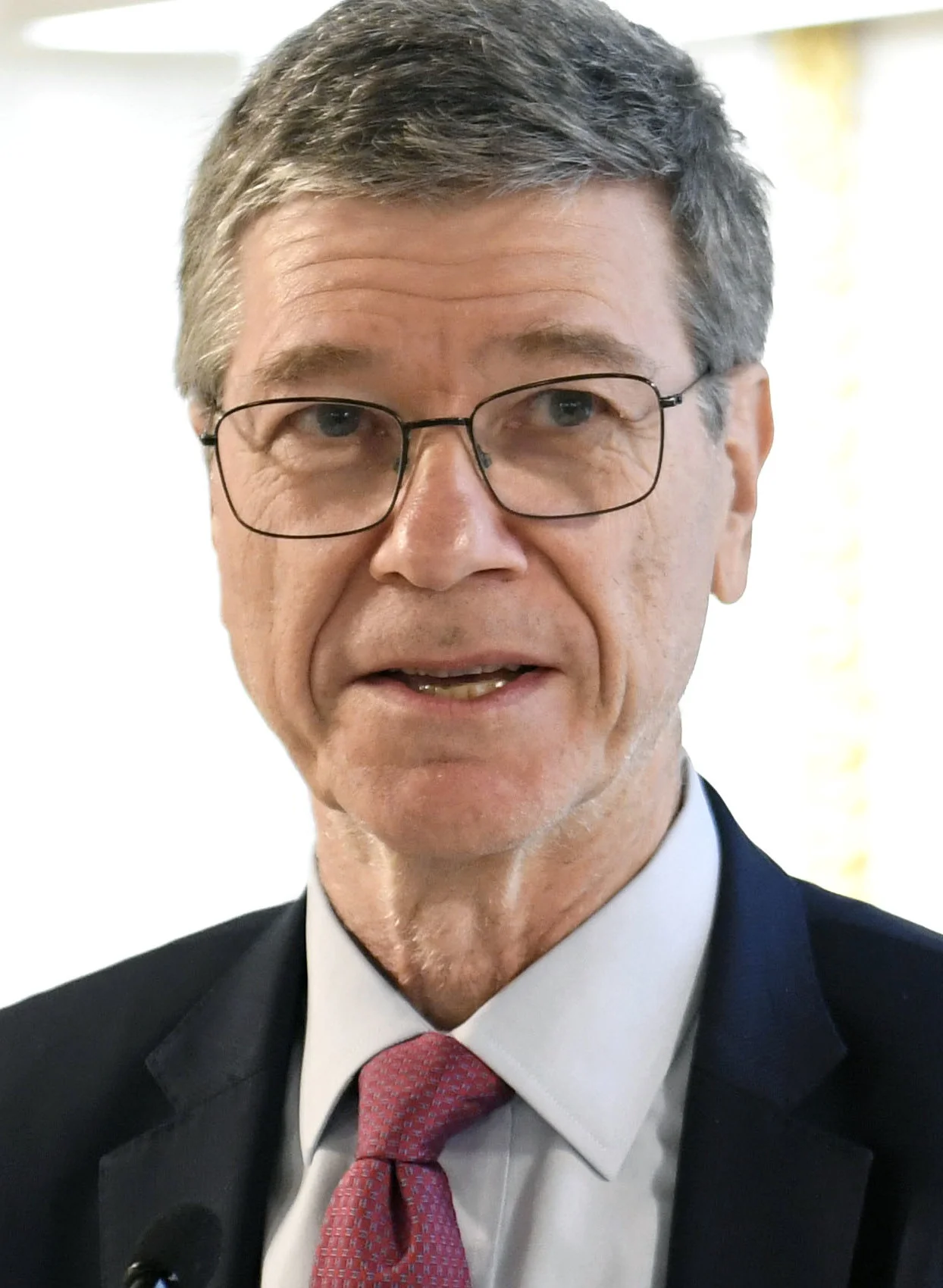
At the Powering Africa Summit in Washington, U.S. State Department official Nick Checker condemned the rise of "America First in Africa" rhetoric, calling it a threat to regional development and cooperation. The remarks came as global powers intensify competition for influence on the continent, with Checker emphasizing the need for multilateral engagement to achieve Africa's energy and economic goals.
Checker, speaking alongside Powering Africa Summit Chairman Jovanovic, warned that unilateral approaches would hinder progress. "Africa's future cannot be dictated by isolationist policies," he said, stressing that U.S. engagement must focus on infrastructure, education, and sustainable energy to meet the continent's development targets.
U.S. Stance on Africa's Energy Transition
The U.S. has been a key player in Africa’s energy transition, with initiatives aimed at expanding access to clean power. However, Checker’s remarks highlighted concerns over shifting global strategies that may prioritize geopolitical interests over long-term development. "We must ensure that Africa’s energy needs are met through partnerships that prioritize growth, not control," he said.
With the continent facing a growing energy deficit, the U.S. has invested in projects like the Africa Clean Energy Corridor. Yet, as China and other nations increase their presence, Washington faces pressure to reaffirm its commitment. Checker called for greater transparency and collaboration with African governments to avoid repeating past mistakes of dependency and mismanagement.
State Department's Role in African Development
The U.S. State Department has long been involved in shaping Africa's development agenda, but recent shifts in foreign policy have raised questions about its direction. Checker's comments come amid a broader debate on how the department balances national interests with the continent's needs. "The State Department must act as a bridge, not a barrier," he said, citing the need for more targeted aid and investment in education and health.
Analysts suggest that the U.S. approach could influence how other Western nations engage with Africa. "If the U.S. moves away from a more cooperative model, it could weaken the continent’s ability to negotiate fair partnerships," said Dr. Amina Musa, a Washington-based African policy expert.
Implications for Nigeria and the Continent
Nigeria, Africa’s largest economy, is particularly sensitive to shifts in U.S. policy. The country has relied on American support for infrastructure and energy projects, but recent tensions have raised concerns about future collaboration. Checker’s remarks were seen as an attempt to reassure African leaders that the U.S. remains committed to the continent's growth.
"Nigeria needs reliable partners that understand its challenges and opportunities," said Nigerian economist Chidi Okoro. "The U.S. has a unique role to play, but it must avoid the mistakes of the past."
What’s Next for U.S.-Africa Relations
With the Powering Africa Summit highlighting the urgency of infrastructure and energy development, the U.S. is under pressure to clarify its strategy. Analysts expect the State Department to release new guidelines on Africa policy in the coming months. "This is a critical moment for U.S.-Africa relations," said Checker. "We must act with clarity and purpose."
As African nations continue to navigate the complexities of development, the role of the U.S. remains a key factor. The coming months will test whether Washington can balance its global interests with the continent’s aspirations for sustainable growth and self-reliance.
Frequently Asked Questions
What is the latest news about us official slams america first in africa at powering africa summit?
State Department official Nick Checker condemned the rise of "America First in Africa" rhetoric, calling it a threat to regional development and cooperation.
Why does this matter for economy-business?
Checker, speaking alongside Powering Africa Summit Chairman Jovanovic, warned that unilateral approaches would hinder progress.
What are the key facts about us official slams america first in africa at powering africa summit?
engagement must focus on infrastructure, education, and sustainable energy to meet the continent's development targets.