In a significant escalation of tensions, Saudi Arabia has expelled an Iranian military attaché, a move that underscores the growing rift between the two nations. This decision, made public on October 20, 2023, reflects ongoing geopolitical struggles in the Gulf region, which have far-reaching implications, even for African nations like Nigeria.
Saudi-Iran Relations Deteriorate
The expulsion of the Iranian military official comes after accusations from Saudi officials that Iran has been involved in destabilising activities throughout the Gulf. The Saudi Ministry of Defence stated that the attaché had been engaging in actions contrary to diplomatic norms, signalling a significant deterioration in relations between the two countries. This incident is part of a broader pattern of hostility that has escalated since the 2015 nuclear deal, resulting in military and economic repercussions in the region.
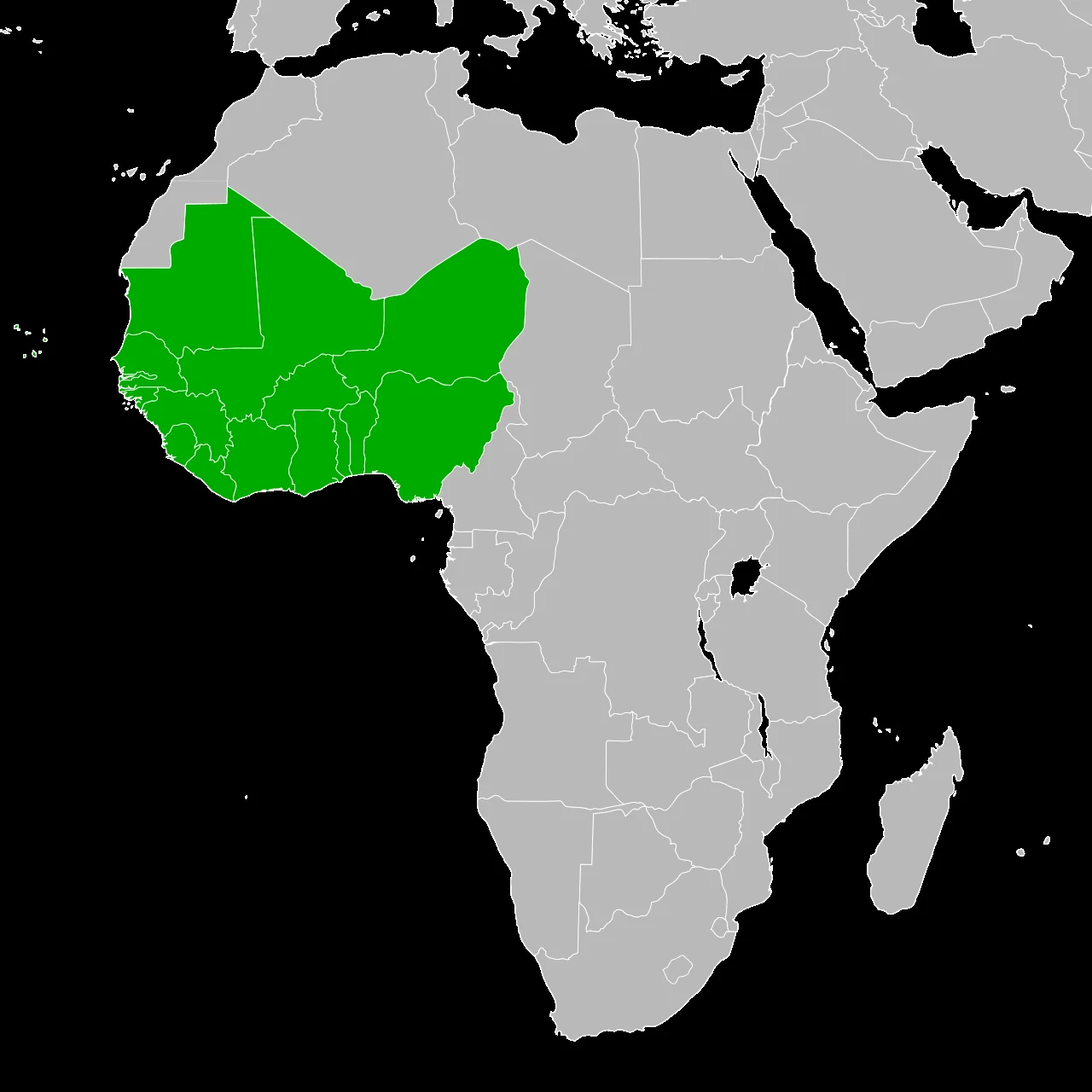
The implications of this expulsion extend beyond immediate diplomatic relations. Analysts suggest that the ongoing tension could have a ripple effect on regional stability, influencing various sectors, including trade and security. For Nigeria, which has strong economic ties with Gulf nations, particularly in oil exports, this development could affect its economic projections and foreign policy strategies.
The Gulf’s Influence on Nigeria
Nigeria, as Africa's largest economy, has increasingly sought to strengthen its relationships with Gulf countries, particularly in the areas of trade and investment. The Gulf nations, especially Saudi Arabia, are significant players in the global oil market, and fluctuations in their political landscape can directly impact Nigeria's oil-dependent economy. As tensions rise in the Gulf, Nigeria must navigate these complexities, ensuring that its economic interests are safeguarded.
Moreover, the security dynamics in the Gulf region can influence Nigeria's own internal stability. The rise of militant groups and the shifting allegiances among Gulf states could provide lessons or warnings for Nigeria, which grapples with its own security challenges. With the Iranian influence in the region, Nigeria may need to reassess its security partnerships and regional alliances.
Challenges and Opportunities for Africa
This latest incident highlights the ongoing challenges faced by African nations in balancing foreign relations amid regional conflicts. The Gulf's geopolitical tensions often lead to polarisation, which can affect African states caught in the middle. For instance, Nigeria's relationship with Iran has been complex, with concerns about arms supplies and support for various groups. As such, the expulsion of the Iranian military attaché may push Nigeria to strengthen its ties with Gulf allies while being wary of Iranian influence.
However, this situation also presents opportunities for African nations, including Nigeria, to take a more proactive role in regional diplomacy. By engaging in dialogue and fostering relationships with both Gulf powers, African states can leverage their positions to ensure that their interests are protected amidst these tensions.
Looking Ahead: What to Watch
As the situation develops, Nigeria and other African nations must closely monitor the evolving dynamics in the Gulf. The expulsion of the Iranian attaché could lead to further diplomatic fallout, which may impact oil prices and trade routes. Nigerian policymakers will need to stay vigilant, adjusting their economic strategies to mitigate any adverse effects while exploring new avenues for cooperation in an increasingly complex geopolitical landscape.
In conclusion, the Gulf's ongoing tensions, exemplified by Saudi Arabia's recent actions against Iran, are of critical importance not only to the Middle East but also to the wider African continent. Understanding these developments will be key for African nations as they navigate their own paths towards development, stability, and growth in a challenging global environment.