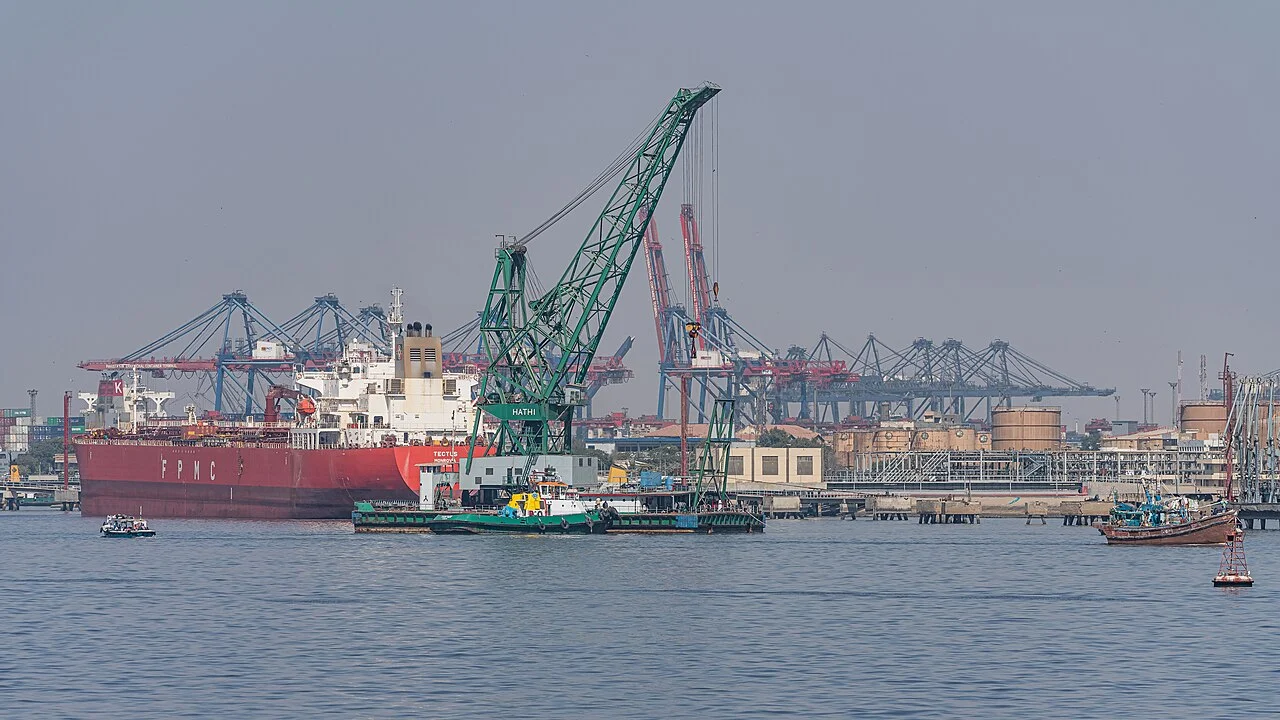
Goa Town, a coastal community in the Indian state of Goa, has sparked a national environmental debate after local authorities approved a controversial plan to convert protected green spaces into grey infrastructure. The decision, made in late April 2024, has drawn criticism from environmental groups and residents, who argue that the move threatens the region’s natural heritage and ecological balance. The shift highlights broader global concerns about urban development and environmental sustainability, which resonate with African nations striving to balance growth with conservation.
Goa's Green-to-Grey Plan Under Fire
The Goa State Planning Board approved the project in late April 2024, allowing for the construction of roads, housing, and commercial spaces on land previously designated as green zones. The initiative, aimed at boosting local infrastructure and economic activity, has been met with strong opposition. Environmentalists argue that the loss of these green spaces will exacerbate issues like flooding, air pollution, and biodiversity loss in the region.
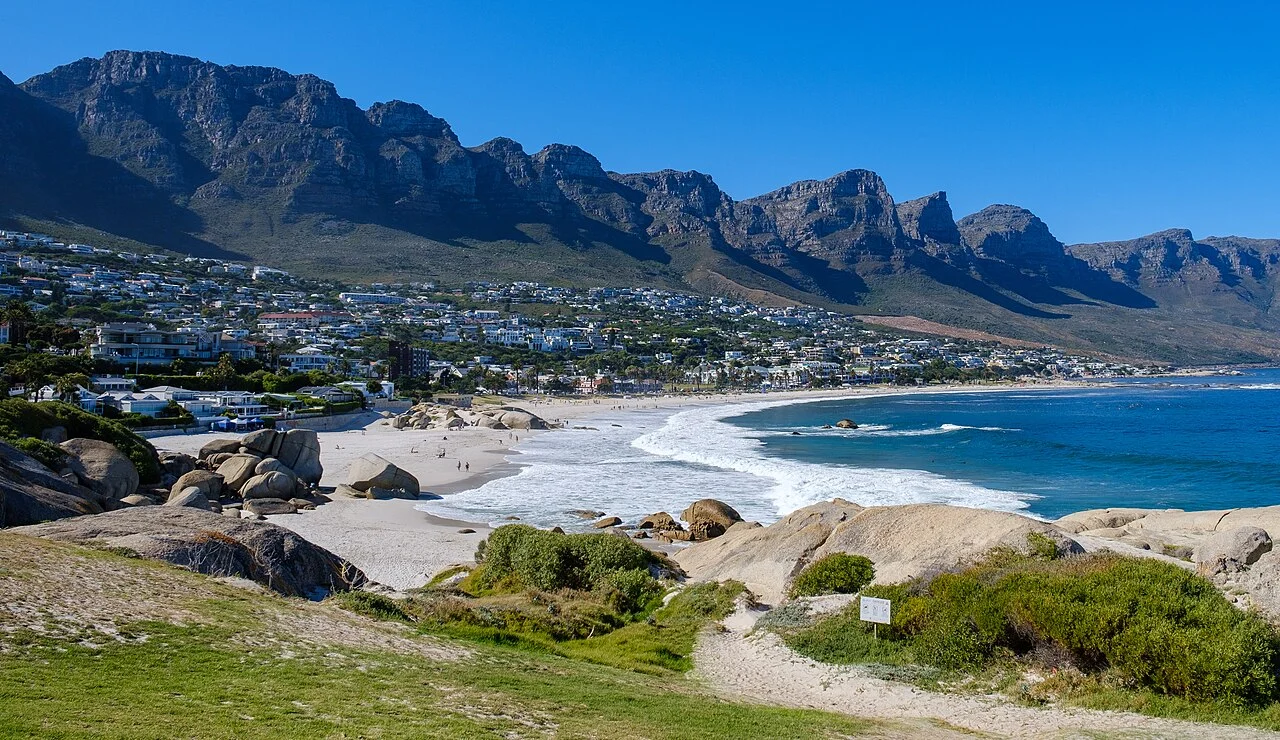
“This decision undermines years of environmental protection efforts,” said Ravi Deshmukh, a local environmental activist. “Goa’s unique ecosystem is under threat, and the government is prioritizing short-term gains over long-term sustainability.” The move has also raised concerns about the impact of similar urbanization trends in developing regions, including parts of Africa, where rapid infrastructure expansion often comes at the cost of natural habitats.
Broader Implications for Sustainable Development
The Goa case mirrors challenges faced by many African nations as they seek to balance economic development with environmental preservation. Countries like Kenya, Nigeria, and South Africa are grappling with similar issues, where urbanization and industrial expansion threaten ecosystems and public health. The United Nations Sustainable Development Goals (SDGs) emphasize the importance of sustainable cities and communities, but implementation remains a challenge in many regions.
“Infrastructure is critical for growth, but it must be planned with environmental safeguards,” said Dr. Amina Jalloh, an urban development expert based in Senegal. “If African countries do not learn from such cases, they risk repeating the same mistakes that have led to environmental degradation in other parts of the world.”
How This Affects Nigeria and the Continent
Nigeria, Africa’s most populous country, has seen a surge in urbanization and infrastructure projects, often at the expense of natural resources. The situation in Goa serves as a cautionary tale for Nigerian policymakers, who must ensure that development does not come at the cost of environmental sustainability. The country’s recent focus on improving transportation and energy systems has raised concerns about its long-term environmental impact.
“This development in Goa highlights the need for better environmental governance in Africa,” said Chika Nwosu, a Nigerian environmental journalist. “If we do not enforce stricter regulations, we risk losing our natural resources and worsening climate change impacts.” The situation also underscores the importance of public participation in decision-making, a key component of good governance and sustainable development.
What’s Next for Goa and Beyond
Local activists and environmental groups are planning to challenge the decision in court, citing violations of environmental laws. Meanwhile, the Goa government has defended the plan, stating that it will bring much-needed economic opportunities to the region. The outcome of this legal battle could set a precedent for similar projects across India and beyond.
For African development, the Goa case serves as a reminder of the delicate balance between progress and preservation. As the continent continues to grow, it must adopt policies that prioritize both economic development and environmental stewardship. The lessons from Goa could be instrumental in shaping a more sustainable future for Africa and other developing regions.
Frequently Asked Questions
What is the latest news about goa town faces environmental backlash over greentogrey shift?
Goa Town, a coastal community in the Indian state of Goa, has sparked a national environmental debate after local authorities approved a controversial plan to convert protected green spaces into grey infrastructure.
Why does this matter for environment-nature?
The shift highlights broader global concerns about urban development and environmental sustainability, which resonate with African nations striving to balance growth with conservation.
What are the key facts about goa town faces environmental backlash over greentogrey shift?
The initiative, aimed at boosting local infrastructure and economic activity, has been met with strong opposition.