Australian Prime Minister Anthony Albanese faced intense criticism and heckling during a Ramadan event at a Sydney mosque, highlighting growing tensions over Israel and Islamophobia in the country. The incident occurred at the Muslim Community Centre in Marrickville, a suburb with a significant Muslim population, and drew national attention for its implications on religious and political discourse.
The event, held to mark the holy month of Ramadan, was attended by Muslim Australians and community leaders. During his speech, Albanese was reportedly met with loud objections when he addressed the Israeli-Palestinian conflict, with some attendees accusing him of not taking a strong enough stance against Israel’s policies. The confrontation underscored the complex interplay between national politics and religious identity in Australia.
What is Muslim Australians and Why It Matters
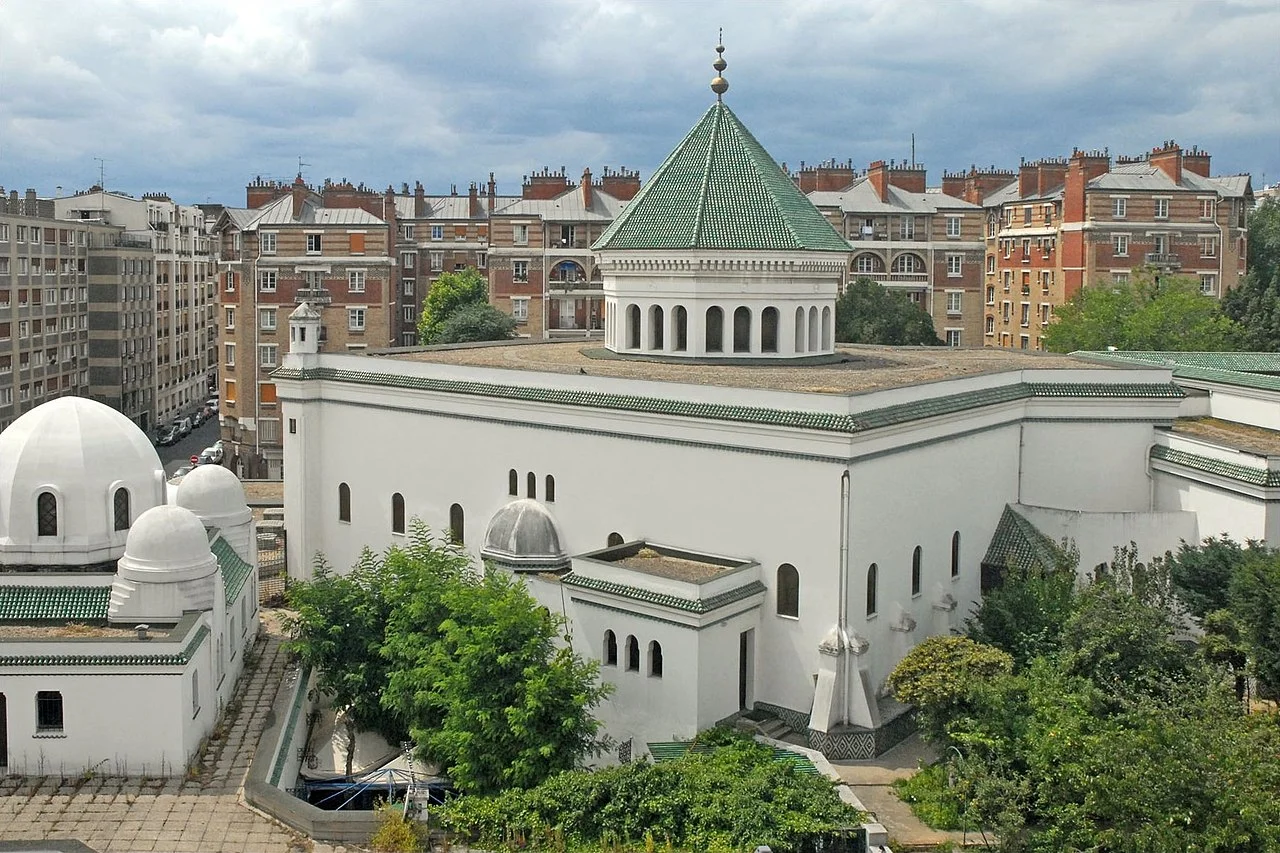
Muslim Australians represent a growing and diverse community, with over 700,000 people identifying as Muslim, according to the 2021 census. Their political and social influence is increasing, particularly in urban centers like Sydney, where they play a significant role in shaping public opinion on issues such as migration, foreign policy, and human rights.
The incident at the mosque reflects broader concerns about Islamophobia in Australia. Reports from the Australian Human Rights Commission have shown a rise in anti-Muslim sentiment, particularly in the wake of global conflicts and domestic political debates. This context makes the Muslim community’s engagement with public figures like the prime minister increasingly significant.
Why Sydney Matters in the Regional and Global Context
Sydney, as Australia’s largest city, is a hub for cultural and political activity. Its multicultural population includes a substantial Muslim community, making it a focal point for discussions on religious tolerance and national identity. The city’s role in hosting international events and its economic influence add to its significance on the global stage.
The event at the Marrickville mosque is part of a broader trend where Australian cities are becoming arenas for political and social debates. Sydney, in particular, has seen increasing activism around issues like Palestine, climate change, and human rights, reflecting the city's role as a center for progressive and community-driven movements.
How This Relates to African Development Goals and Pan-African Perspective
While the incident in Sydney may seem geographically distant from Africa, it resonates with broader themes of identity, governance, and international relations that are central to African development. The challenges faced by Muslim Australians, including discrimination and political marginalization, mirror issues that many African nations grapple with, such as religious intolerance and the need for inclusive governance.
From a pan-African perspective, the event highlights the importance of solidarity and cross-cultural dialogue. As African countries work towards the African Union’s Agenda 2063, which emphasizes inclusive growth, good governance, and regional integration, the experiences of Muslim Australians offer lessons on how to navigate complex social and political landscapes.
What to Watch Next
The fallout from the event could influence political discourse in Australia, particularly around foreign policy and religious freedom. It may also spark renewed calls for greater representation of Muslim Australians in national decision-making processes. The incident serves as a reminder of how local events can have far-reaching implications, especially in an interconnected world.
For African development advocates, the event underscores the need for global awareness and cooperation. As African nations continue to push for economic growth, improved infrastructure, and better education, they can draw from the experiences of diaspora communities like Muslim Australians to foster more inclusive and resilient societies.