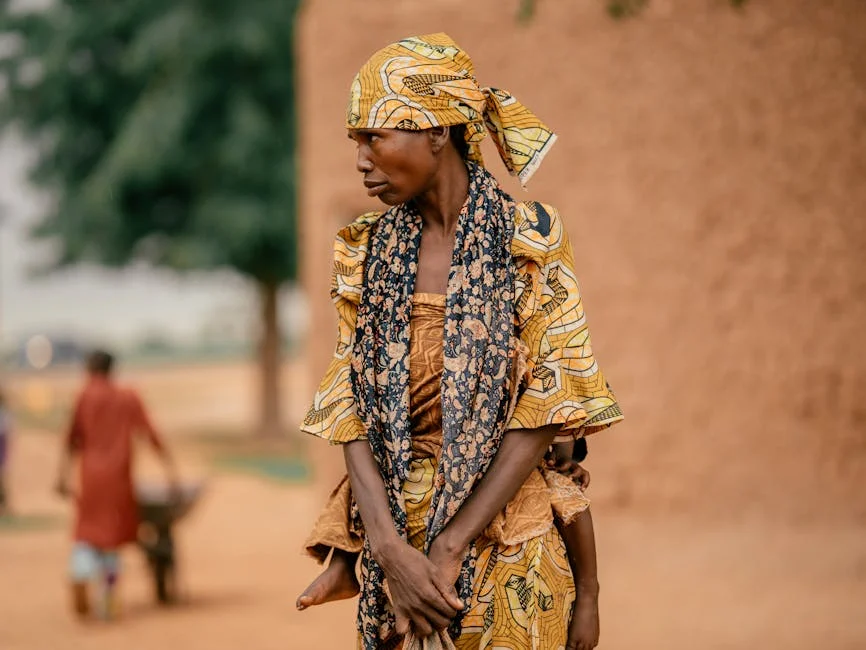
In the heart of Nigeria's ongoing battle with Islamist militants, Yameogo Aminata stands as a poignant symbol of resilience. After losing her two sons to violence, she is among thousands who have been forced to flee their homes, highlighting not just personal tragedy but a broader crisis affecting the nation.
Context and Background
The rise of Islamist militant groups in Nigeria, notably Boko Haram and affiliates, has led to widespread violence and instability, particularly in the northeastern regions. Over the past decade, this insurgency has claimed thousands of lives and displaced millions, disrupting education, healthcare, and economic opportunities for countless families. The ongoing conflict poses significant challenges to Nigeria's development goals, as it undermines efforts to achieve stability and prosperity.

Key Developments
Yameogo Aminata's recent ordeal exemplifies the harsh realities faced by many in the region. Following the brutal killing of her sons by Islamist militants, her family was forced to flee their home in search of safety. This personal tragedy mirrors a national crisis, where millions are displaced and vulnerable to further violence, exacerbating existing socio-economic challenges.
Details and Evidence
According to the United Nations, Nigeria has the highest number of internally displaced persons (IDPs) in Africa, with over 2.5 million people fleeing their homes due to conflict. Reports indicate that the humanitarian situation is dire, with many IDPs lacking access to basic necessities such as food, shelter, and healthcare. The World Bank estimates that the prolonged conflict could cost Nigeria's economy over $9 billion per year, as it hampers growth and development in affected regions.
Analysis: African development and pan-African perspective
The situation of Yameogo Aminata and others like her illustrates a critical intersection between human security and development in Nigeria. As the country grapples with the ramifications of Islamist violence, it becomes increasingly evident that addressing these security concerns is paramount to reaching the African Union's Agenda 2063 goals. Economic growth, health, education, and governance are all directly impacted by the instability caused by Islamist groups, making a comprehensive approach essential for sustainable development.
Impact and Implications
The consequences of the ongoing violence extend beyond immediate loss; they threaten the fabric of Nigerian society. Communities are fractured, educational facilities are destroyed, and health services are disrupted. With families like Aminata's facing the brunt of this crisis, the implications for future generations are profound. As Nigeria struggles to meet its development goals, the impacts will resonate throughout the continent, highlighting the need for a coordinated response to security and humanitarian challenges.
Outlook
Looking ahead, experts emphasize the importance of addressing the root causes of Islamist militancy in Nigeria, including poverty, lack of education, and political disenfranchisement. It is crucial for both the Nigerian government and international partners to invest in rebuilding communities, improving infrastructure, and providing humanitarian aid to those affected by violence. As Yameogo Aminata's story reflects, the path to recovery demands resilience, but it also requires a concerted effort to ensure that such tragedies do not define the future of Nigeria and its people.