As the holy month of Ramadan unfolds, Sudanese cuisine serves as a poignant reminder of resilience amidst ongoing conflict. Today, Sudan's food culture, represented by figures like Omer Al Tijani, highlights the stakes involved in the nation's struggle for peace and stability.
Context and Background
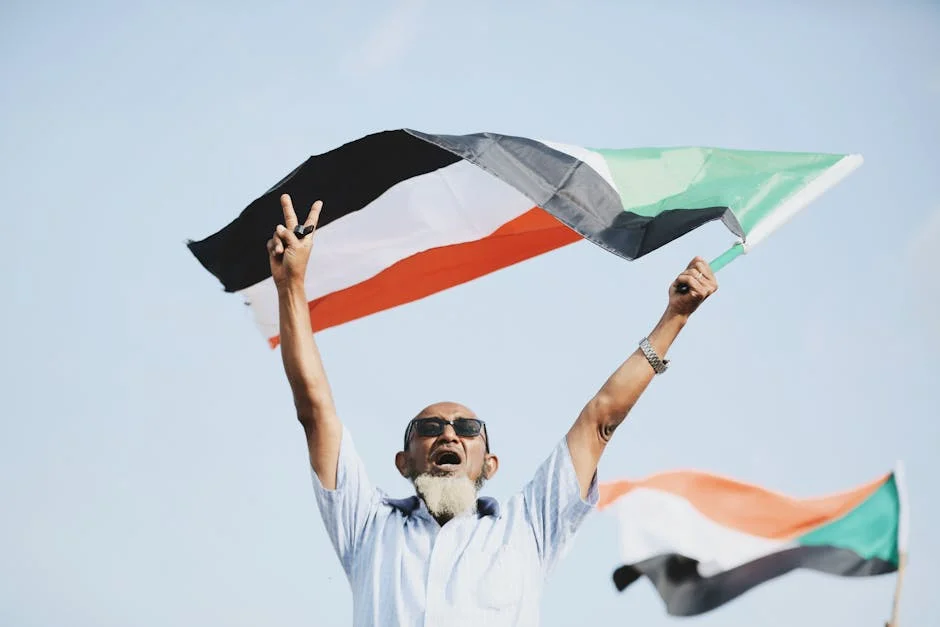
Sudan has faced prolonged instability and conflict, particularly since the onset of the war in 2023. The ongoing strife has not only caused a humanitarian crisis, displacing millions, but has also disrupted traditional practices, including the communal spirit of Ramadan. The culinary heritage of Sudan, rich in flavours and traditions, is now under threat, underscoring the broader implications for African development goals, particularly in areas of health, education, and economic growth.
Key Developments
Omer Al Tijani, a prominent chef and cultural advocate, has taken to social media and community kitchens to promote Sudanese gastronomy during Ramadan. His efforts are aimed at not only preserving culinary traditions but also fostering a sense of unity and resilience among Sudanese people, both at home and in the diaspora. Today news today highlights how his initiatives have become a lifeline for many, as food becomes a medium for cultural expression and solidarity in challenging times.
Details and Evidence
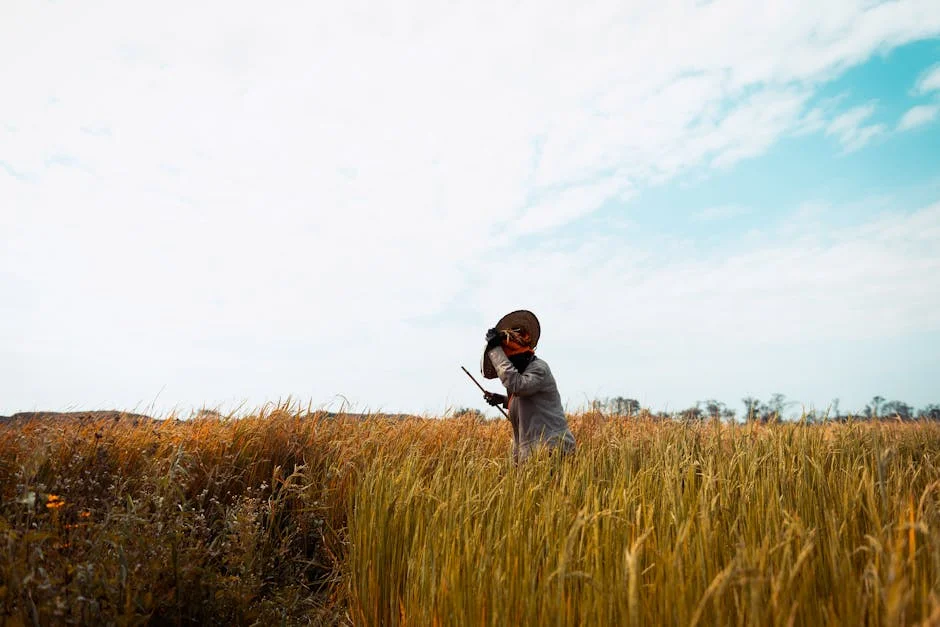
According to recent reports, Sudan’s food supply chain has been severely impacted, with shortages of essential ingredients affecting both daily meals and Ramadan feasts. Al Tijani has been sourcing ingredients from local farmers and suppliers, emphasising sustainable practices. Moreover, recent surveys show that community kitchens he has established are serving thousands each day, providing not just meals but also a gathering space for displaced families and individuals. These initiatives are crucial as they align with the Sustainable Development Goals, particularly Goal 2, which seeks to end hunger and ensure food security.
Analysis: African development and pan-African perspective
From an en-NG perspective, the situation in Sudan illustrates the interconnectedness of African nations in the face of adversity. Omer Al Tijani's work transcends borders, embodying a pan-African spirit that resonates with Nigeria and other nations facing their own challenges. As the continent grapples with infrastructure deficits, health crises, and governance issues, the stories of resilience—like those of Sudanese food culture—serve as both a reminder and an opportunity. They reflect a collective identity that is vital for fostering sustainable development across Africa.
Impact and Implications
The implications of these culinary initiatives extend beyond immediate food security. They highlight the crucial role of culture in development and the potential for grassroots movements to inspire broader societal change. As people rally around shared meals and traditions, there is a significant impact on mental health and community cohesion. Additionally, this movement may influence political narratives, as seen in Omer Al Tijani's increasing visibility in discussions about Sudan’s future and governance. Understanding how Omer Al Tijani affects Nigeria’s views on social cohesion and cultural heritage could lead to collaborative efforts across borders.
Outlook
As Ramadan progresses, experts suggest that initiatives like Al Tijani’s will be vital for maintaining communal bonds amid conflict. Observers recommend keeping an eye on potential partnerships between Sudanese and Nigerian culinary advocates, which could spur cultural exchanges and foster understanding. The resilience of Sudanese food culture under duress serves as a microcosm of Africa's broader struggle for peace and development. Today analysis Nigeria indicates that the lessons learned from Sudan may prompt greater engagement in regional collaborations focused on achieving development goals.