Lead paragraph: This past Friday, thousands of Palestinians were seen waiting at various checkpoints in the West Bank to enter Jerusalem for prayers at the Al-Aqsa Mosque, a pivotal site of worship during Ramadan. The event underscores the ongoing complexities surrounding Palestinian movement and access to sacred sites.
Context and Background
The situation in the West Bank has been a focal point in the Israeli-Palestinian conflict, which has spanned decades. The Oslo Accords in the 1990s aimed to lay a framework for peace but did not resolve key issues, including the status of Jerusalem. For many Palestinians, access to Jerusalem, especially during religious occasions, is emblematic of broader struggles for rights and recognition. The checkpoints represent both physical barriers and symbols of the ongoing conflict.
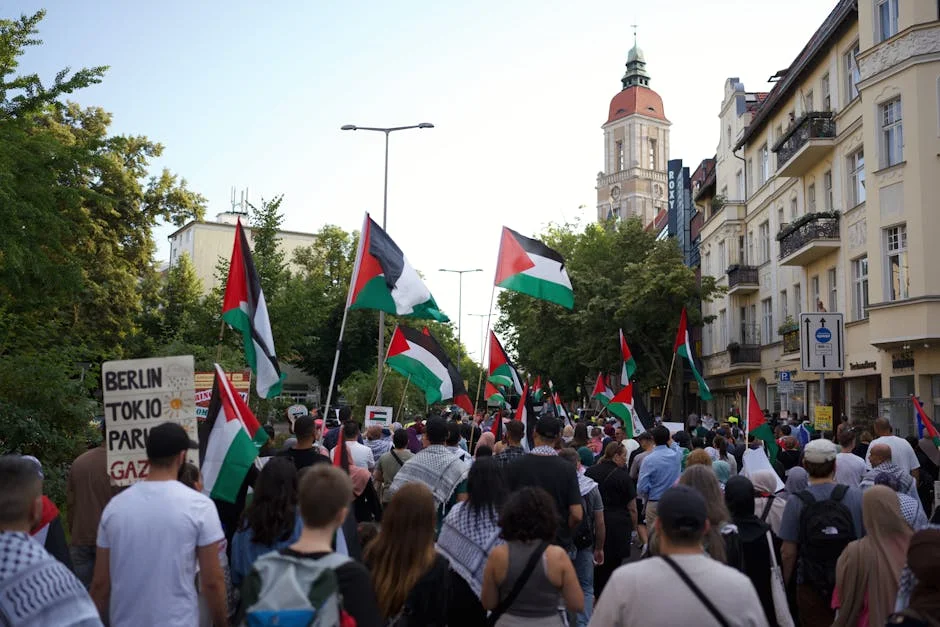
Key Developments
As Ramadan commenced, many Palestinians sought to make the pilgrimage to Jerusalem, particularly to the Al-Aqsa Mosque, a site of immense religious significance. However, access was complicated by security protocols and restrictions imposed by Israeli authorities, resulting in long queues and delays. This scenario was observed across several checkpoints in the West Bank, where thousands gathered, often waiting for hours to gain entry.
Details and Evidence
Reports indicate that around 150,000 Palestinians made their way to Jerusalem for Friday prayers during Ramadan. Despite the efforts, many were turned away or faced lengthy delays, raising concerns about human rights and freedom of worship. The UN has highlighted that these restrictions could affect not only religious observance but also the psychological well-being of those affected.
Analysis: African development and pan-African perspective
From an African development perspective, the challenges faced by Palestinians resonate deeply. The ongoing conflict, characterized by restrictive measures and limited access to resources, mirrors issues seen across various African nations. The struggle for self-determination and economic development in Palestine can be paralleled with aspirations in many African countries, where governance, infrastructure, and social services are central to progress. Understanding the Palestinian plight offers insights into how governance failures can stall development and how international solidarity can foster change.
Impact and Implications
The situation at West Bank checkpoints underscores a significant humanitarian concern, affecting not only those attempting to enter Jerusalem but also influencing the broader geopolitical landscape. The implications extend to African nations, particularly Nigeria, where the plight of Palestinians resonates with historical narratives of colonialism and resistance. The ongoing tensions may affect diplomatic relations and solidarity movements, impacting how African countries engage with global humanitarian issues.
Outlook
Looking ahead, analysts suggest that the situation may not see immediate improvement without renewed dialogue and negotiations. Experts will be monitoring the Israeli-Palestinian relations, especially as international stakeholders weigh in on the potential for peace. The response from African nations could also evolve, as solidarity movements gain traction, and there is a growing call for action towards resolving humanitarian needs in Palestine that echo the calls for development in Africa.