In a historic breakthrough, investigators in Zimbabwe have successfully used lion DNA to convict poachers for the first time. This pivotal moment in wildlife conservation not only highlights the innovative use of technology in protecting endangered species but also raises significant implications for African development goals.
Context and Background
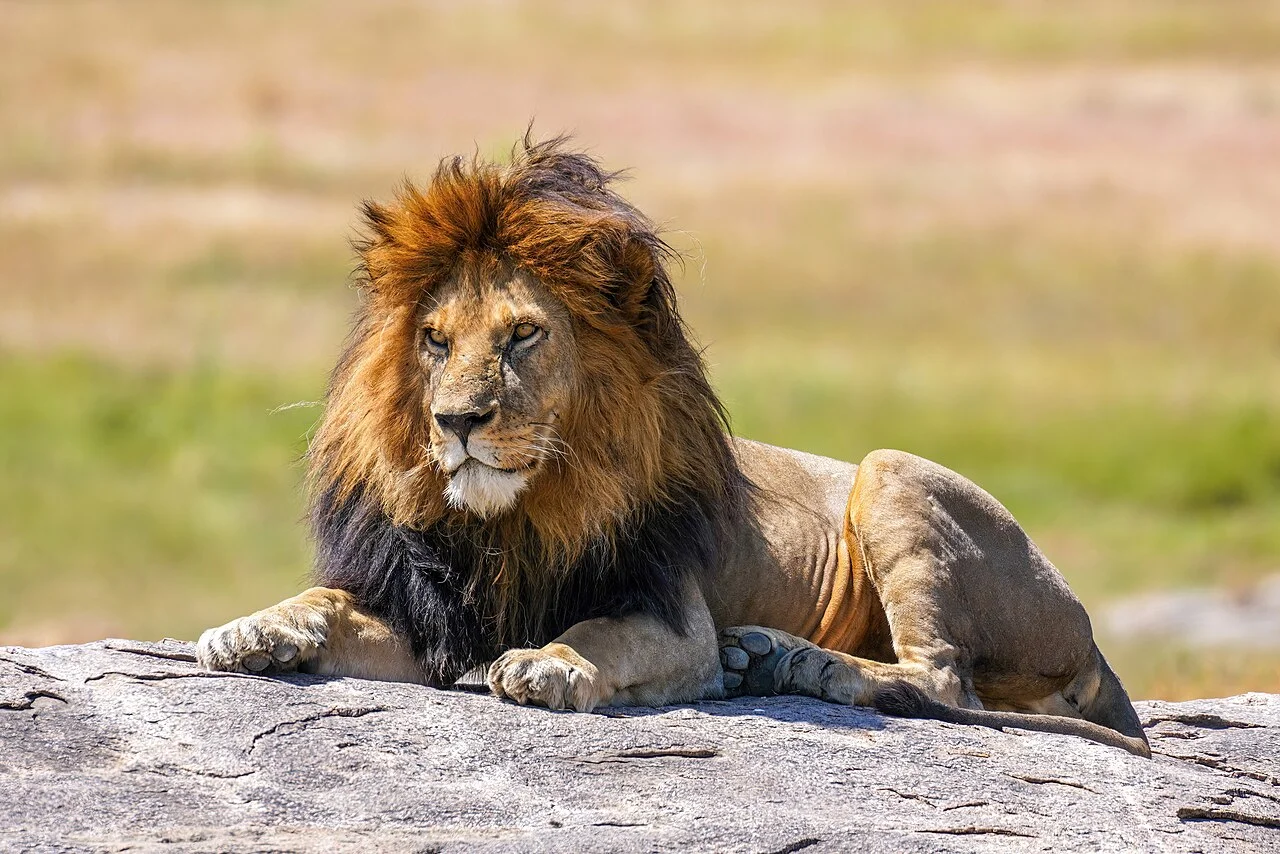
Zimbabwe is home to a significant population of lions, a species currently facing threats from poaching and habitat loss. Over the years, the illegal wildlife trade has surged, putting immense pressure on ecosystems and local communities. As African nations strive to meet development goals, the need for effective wildlife protection has become paramount. The recent conviction using DNA evidence is a testament to the evolving strategies in conservation efforts.
Key Developments
The Zimbabwean authorities, in collaboration with wildlife conservation groups, have harnessed advanced DNA analysis technologies to track and convict poachers. This technique was employed following a series of incidents where lions were killed and their parts sold on the black market. The successful application of DNA evidence in court has set a precedent for wildlife law enforcement across the continent.
Details and Evidence
In this landmark case, forensic scientists extracted DNA from the remains of a lion found near a poaching site. The DNA matched samples collected from previous poaching incidents, leading to the successful conviction of several individuals involved in the trade. This innovative approach not only strengthens legal actions against poachers but also serves as a deterrent to future illegal activities. The technology utilised is part of a broader trend in forensic science that has proven effective in various fields, including crime investigation.
Analysis: African development and pan-African perspective
This development is crucial for several reasons. Firstly, it aligns with the African Union's Agenda 2063, which aims to enhance sustainable development through effective governance and the protection of natural resources. The successful use of DNA technology in wildlife conservation demonstrates a commitment to innovative solutions in addressing environmental challenges. For Nigeria, the implications are profound; as a leading nation in West Africa, Zimbabwe's advancements in wildlife protection can inspire similar initiatives, promoting collaboration in conservation efforts across the continent.
Impact and Implications
The successful conviction of poachers in Zimbabwe has significant consequences for wildlife conservation in Africa. It not only increases accountability for those involved in the illegal wildlife trade but also encourages investment in technology and training for law enforcement agencies. By strengthening governance and law enforcement, African nations can create a safer environment for their biodiversity, which is vital for ecological balance and economic growth. Local communities stand to benefit too, as healthy ecosystems support tourism and sustainable livelihoods.
Outlook
Looking ahead, experts suggest that the use of DNA evidence could become a standard practice in wildlife conservation across Africa. As more countries adopt similar forensic technologies, the potential for a pan-African movement towards sustainable wildlife protection could emerge. Readers should watch for increased collaboration between African nations in adopting cutting-edge technologies for conservation and governance, as well as the potential economic benefits that stem from healthy wildlife populations and responsible tourism.