Goodwill Ambassador Kristin Davis recently visited refugee camps in South Sudan, meeting with displaced individuals and highlighting their plight. Her visit aims to raise awareness about the ongoing humanitarian crisis and its implications for development across Africa.
Context and Background
South Sudan has faced an ongoing civil war since its independence from Sudan in 2011, resulting in one of the world's most severe refugee crises. Millions of South Sudanese have been displaced internally or have fled to neighbouring countries. The United Nations and various non-governmental organizations have been working tirelessly to provide aid and support to affected populations. This backdrop of conflict and displacement makes Davis's role as a Goodwill Ambassador particularly significant as it intersects with broader African development goals.
Key Developments
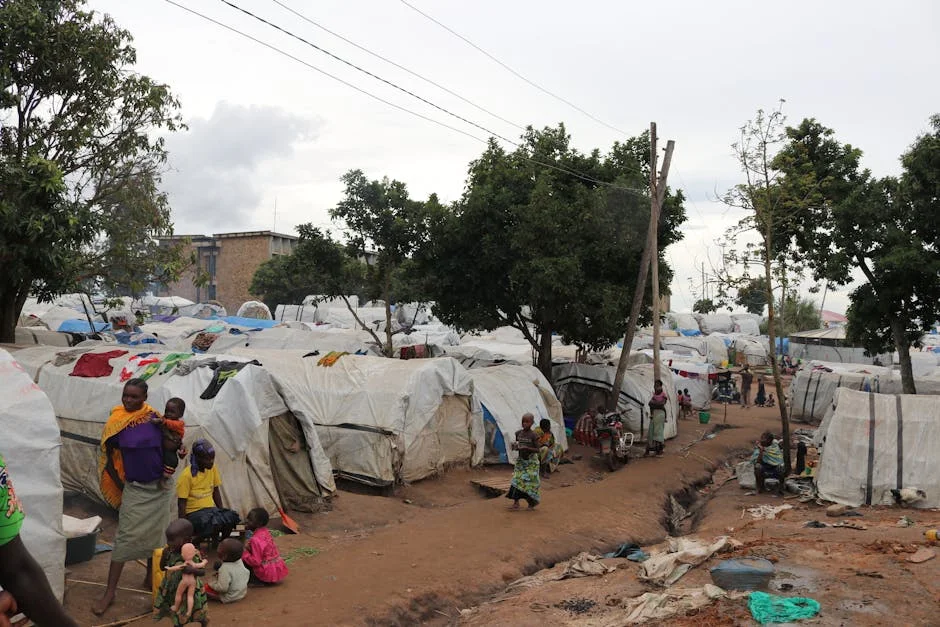
During her visit, Kristin Davis met with families residing in makeshift shelters and engaged in discussions about their daily struggles, including access to food, clean water, education, and healthcare. The actress-turned-activist focused on the urgent need for international support to address the humanitarian needs of refugees and internally displaced persons (IDPs), particularly in the context of the Sustainable Development Goals (SDGs).
Details and Evidence
According to the UN Refugee Agency, over 2 million South Sudanese are refugees in neighbouring countries, while an estimated 1.5 million remain internally displaced. Many face dire conditions, lacking basic services. During her visit, Davis underscored the importance of sustainable solutions that not only provide immediate relief but also contribute to long-term development, such as improving infrastructure and access to education and healthcare.
Analysis: African development and pan-African perspective
From an en-NG perspective, Davis's engagement with South Sudanese refugees highlights critical issues that resonate across Africa, including the interconnectedness of conflict, displacement, and development. The challenges faced by South Sudan are emblematic of broader continental issues—poor governance, economic instability, and inadequate infrastructure—that hinder progress towards the African Union's Agenda 2063. Her visit serves to remind us that humanitarian efforts must align with development goals to be effective. In many ways, how South Sudan manages its humanitarian crisis will affect Nigeria, as both nations grapple with similar obstacles in governance, economic growth, and the provision of essential services.
Impact and Implications
Davis's visit has the potential to mobilise resources and attention towards the plight of South Sudanese refugees, compelling governments and private sectors to act. The visibility she brings to the situation could influence public opinion and encourage donations to humanitarian causes. Moreover, her advocacy underscores the necessity for integrated approaches to development that incorporate humanitarian responses, especially in countries facing conflict and instability. This ripple effect could consequently impact Nigeria, where similar challenges persist.
Outlook
Looking ahead, experts argue that sustained international attention and funding are critical for improving the conditions of refugees in South Sudan. Analysts suggest that the global community should monitor how initiatives from goodwill ambassadors, like Davis, translate into tangible support. Furthermore, it will be crucial to watch how the South Sudanese government collaborates with international bodies to implement measures that promote stability and development. As the situation evolves, stakeholders must remain vigilant, as developments in South Sudan could have far-reaching implications for regional security and development strategies across Africa, including Nigeria.