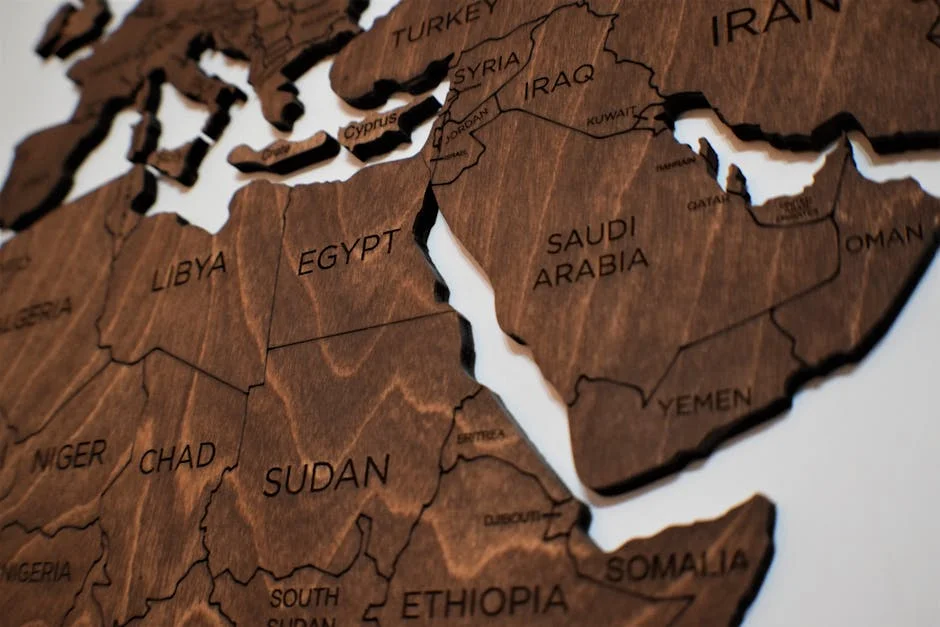
In a significant move towards fostering continental solidarity, Ghana and Zambia have recently deepened their diplomatic ties, aiming to enhance cooperation in various sectors. This partnership, announced at a bilateral meeting in Lusaka last week, underscores the importance of collaborative efforts among African nations to address pressing development challenges.
Context and Background
The relationship between Ghana and Zambia has been historically rooted in shared values and common goals as members of the African Union. Both nations have a long-standing commitment to promoting peace, stability, and development across the continent. Recent challenges, such as economic instability, health crises, and governance issues, have underscored the need for stronger alliances to navigate these turbulent waters. The renewed diplomatic engagement comes at a time when African countries are seeking innovative solutions to achieve the United Nations Sustainable Development Goals (SDGs).
Key Developments
During the recent summit, Ghana's President Nana Akufo-Addo and Zambia's President Hakainde Hichilema pledged to enhance bilateral cooperation in key areas such as trade, health, education, and infrastructure development. The discussions also focused on regional security and governance, reflecting a shared commitment to democratic principles and rule of law.
Details and Evidence
Both leaders acknowledged the importance of trade in bolstering economic growth, with Ghanaian exports to Zambia projected to increase by 20% over the next year. Additionally, initiatives aimed at improving healthcare systems were highlighted, with plans to share best practices in combating diseases such as malaria and HIV/AIDS. Education cooperation is also on the agenda, with exchanges of students and educators anticipated to enhance learning opportunities. The leaders agreed to form a joint committee to oversee the implementation of these initiatives.
Analysis: African development and pan-African perspective
This strengthening of ties between Ghana and Zambia is emblematic of a broader pan-African vision that seeks to address the continent's multifaceted challenges. By collaborating on infrastructure development, health, and education, these nations are not only investing in their own futures but also contributing to regional stability and economic resilience. As Ghana analysis shows, the nation plays a pivotal role in West Africa, while Zambia’s strategic position in Southern Africa can create synergies that benefit the entire continent. This partnership could serve as a model for other African countries, particularly Nigeria, which must consider its position in the context of regional dynamics and emerging alliances.
Impact and Implications
The implications of this diplomatic engagement are significant for both nations and the continent at large. Enhanced trade relations are expected to create jobs and stimulate economic growth. Furthermore, improved health and education cooperation can lead to better outcomes for citizens, ultimately contributing to the achievement of the African Union's Agenda 2063 goals. Countries like Nigeria should observe these developments closely, as they may influence regional power dynamics and trade relationships.
Outlook
Looking ahead, experts anticipate that the Ghana-Zambia partnership will pave the way for increased collaboration among other African nations. Analysts suggest that if implemented effectively, the initiatives discussed could lead to a resurgence of African solidarity, with a focus on collective problem-solving. Readers should watch for further announcements regarding specific projects and agreements in the coming months, as Ghana and Zambia set a precedent for diplomatic engagement that other nations may follow.