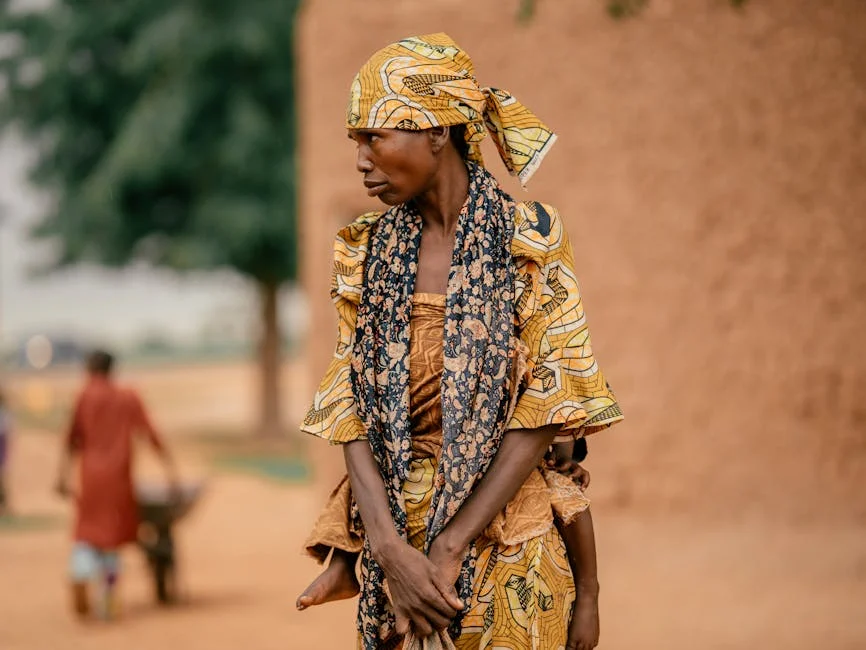
In a pivotal discussion at the African Union summit in Addis Ababa, leaders and activists alike underscored the urgent need to end child marriage as a critical factor in advancing Africa's economic development. This initiative, championed by advocates like Omolola Mary Lipede, aims to highlight the long-term benefits of empowering young girls across the continent.
Context and Background
Child marriage remains a significant barrier to development in Africa, where approximately 12 million girls are married off each year before the age of 18. This practice is not only a violation of human rights but also obstructs the continent's goals for gender equality, education, and economic growth. Historical socio-cultural norms, coupled with poverty, contribute to the persistence of child marriage, impacting the health, education, and economic prospects of millions of girls.

Key Developments
At the recent African Union summit, a coalition of member states committed to a multi-faceted approach to eradicate child marriage by 2030, aligning with the United Nations Sustainable Development Goals. This strategy involves enhancing educational opportunities, improving healthcare access, and engaging local communities in awareness campaigns to shift perceptions about child marriage.
Details and Evidence
According to a report by the United Nations Children's Fund (UNICEF), countries with high rates of child marriage experience slower economic growth, as women who marry young often have limited educational and job opportunities. In Nigeria, for instance, an estimated 43% of girls are married before 18, leading to significant economic losses estimated at $1.5 billion annually due to lost productivity and educational attainment. Furthermore, countries like Ethiopia and Mozambique, which have successfully implemented policies against child marriage, have seen substantial improvements in health and economic indicators.
Analysis: African development and pan-African perspective
From an en-NG perspective, addressing child marriage is not merely a social issue; it is a fundamental aspect of economic development across Africa. By empowering young girls through education and health initiatives, nations can harness a demographic dividend that boosts productivity and mitigates poverty. Ending child marriage can lead to better health outcomes for women and children, contributing to a more stable and prosperous society. This aligns with the broader objectives of the African Union's Agenda 2063, which envisions an integrated, prosperous, and peaceful Africa driven by its own citizens.
Impact and Implications
The implications of ending child marriage are profound. As nations commit to this cause, it can alter the socio-economic landscape, particularly in Nigeria, where these changes could lead to enhanced educational attainment and increased workforce participation among women. The ripple effects would not only affect individual households but also stimulate national economies and improve governance by promoting gender equality and reducing poverty rates.
Outlook
The road ahead will require sustained political will and community engagement. Experts suggest that for these initiatives to succeed, governments must prioritise funding for education and health programmes geared towards young girls. As the continent moves towards the 2030 targets, monitoring progress and celebrating successes in various regions will be crucial. Readers should watch for further developments in policy reforms and community-based programmes aimed at dismantling the frameworks that sustain child marriage across Africa.