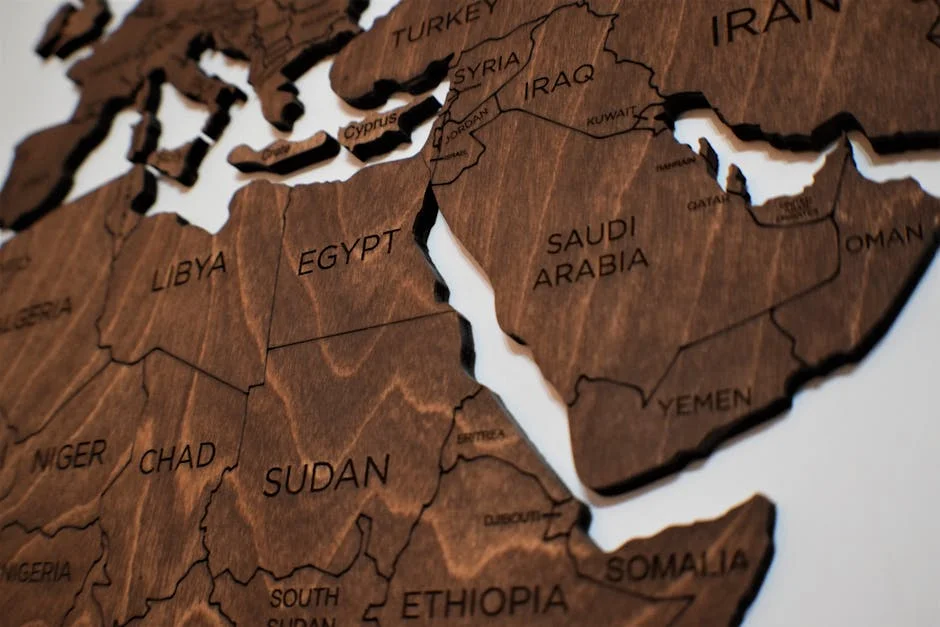
In a move aimed at fostering stability in the Middle East, former President Donald Trump's Board of Peace has pledged $7 billion for the reconstruction of Gaza. This commitment, unveiled during a recent summit in Morocco, seeks to address the humanitarian crisis following years of conflict.
Context and Background
The Gaza Strip has long been a focal point of geopolitical tension, suffering from repeated conflicts that have left its infrastructure in ruins. Following the latest escalation in violence, which saw significant loss of life and property, international bodies have called for urgent action to address the humanitarian needs of the Palestinian population. Morocco, as a key player in Arab diplomacy, has taken the initiative to host this summit, emphasising its role in seeking peace and stability across the region.
Key Developments
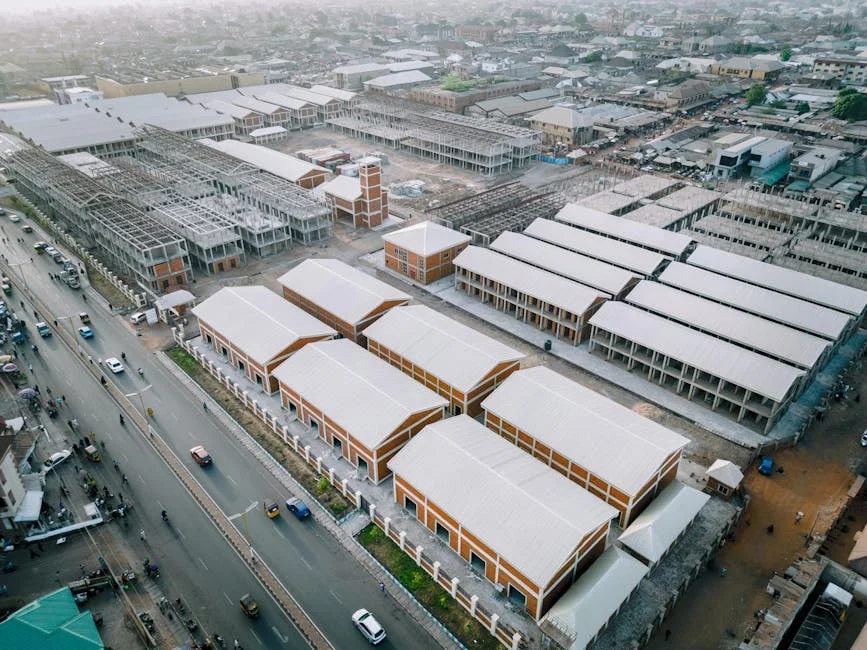
During the summit, which gathered leaders from various nations, including representatives from the Arab League, Trump's Board of Peace announced its multi-billion-dollar pledge specifically aimed at infrastructure development, healthcare, and educational initiatives in Gaza. This funding is expected to be distributed over several years and will focus on rebuilding homes, schools, and hospitals, as well as improving basic services like water and electricity.
Details and Evidence
According to reports, the $7 billion commitment represents one of the largest investments in Gaza's reconstruction to date. Trump's Board of Peace aims to work closely with NGOs and international organisations to ensure that the funds are used effectively and transparently. Additionally, experts estimate that rebuilding the infrastructure alone will require upwards of $10 billion, indicating a significant funding gap that may need to be addressed through further international support.
Analysis: African development and pan-African perspective
This initiative has direct implications for African development goals, particularly in addressing the interconnected challenges of governance, health, and education. The commitment from Trump's Board of Peace could serve as a model for similar initiatives across Africa, where nations face their own crises in terms of infrastructure and humanitarian needs. For Nigeria, a country grappling with its challenges, this development could represent a shift towards greater regional cooperation and stability. As Morocco takes a leading role in peace efforts, it underscores the potential for collaboration within the continent on achieving development goals.
Impact and Implications
The implications of this pledge are manifold. For the people of Gaza, it could mean improved living conditions and a chance to rebuild their lives after years of conflict. For African nations, particularly those facing similar crises, it presents an opportunity to learn from Morocco's approach to peace and reconstruction. Furthermore, it highlights the importance of international engagement in resolving conflicts, which could encourage other countries to step up their involvement in peace-building efforts.
Outlook
As the world watches the implementation of this $7 billion initiative, experts suggest that the focus should be on ensuring accountability and transparency in the use of funds. Analysts predict that if successful, the rebuilding of Gaza could have positive ripple effects in the region, potentially leading to greater stability and peace. For Nigeria and other African nations, the situation offers valuable lessons on the importance of regional leadership in addressing humanitarian issues. Moving forward, observers will closely monitor how Morocco's diplomatic efforts evolve and what impact they may have on broader peace developments in Africa.