Dar es Salaam has inaugurated the third and final phase of its Bus Rapid Transit system, completing a network that now carries over one million passengers daily and has reduced average cross-city journey times from 90 minutes to under 45 minutes.
The $380 million project, financed by the African Development Bank, the World Bank, and the Tanzanian government, spans 130 kilometres of dedicated bus lanes stretching from the city's northern suburbs to the port district and the Julius Nyerere International Airport corridor.
The system features air-conditioned articulated buses, real-time passenger information boards, contactless fare payment, and 84 covered stations equipped with solar lighting and wheelchair access ramps.
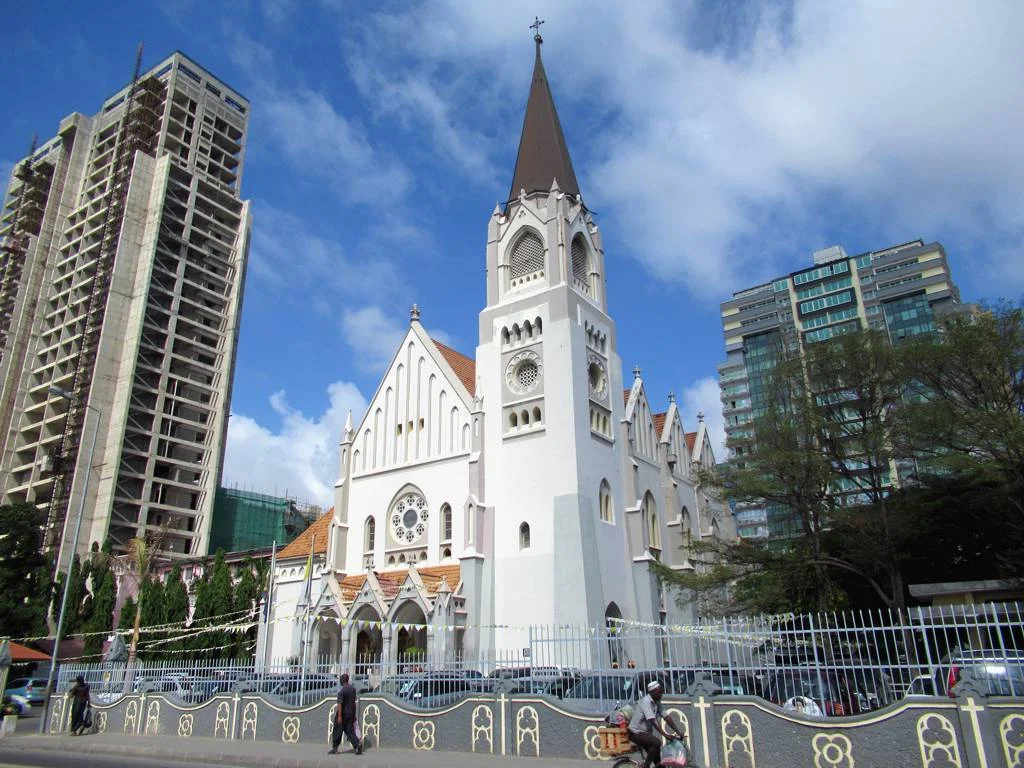
"This is what a modern African city looks like," said Dar es Salaam Regional Commissioner Albert Chalamila at the ribbon-cutting ceremony attended by President Samia Suluhu Hassan. "We are building for the people, not for cars."
Private minibus operators, who had dominated urban transport for decades, initially resisted the project but have increasingly pivoted to serving feeder routes that connect residential areas to BRT stations.
The African Development Bank estimates that the completed network will reduce annual carbon emissions by 180,000 tonnes by replacing ageing diesel minibuses with Euro-6 standard vehicles. Plans are already underway to electrify the fleet, with 200 electric buses expected to be delivered by 2027.
Nairobi, Kampala, and Lusaka are studying Dar es Salaam's model as they plan their own mass transit expansions, each facing the challenge of retrofitting BRT infrastructure into existing road networks.