Lead paragraph: Bellarmine Mugabe, the son of the late Zimbabwean leader Robert Mugabe, has been arrested in South Africa on suspicion of attempted murder. This incident, which occurred on 25 October 2023, raises significant questions about governance and stability in the region.
Context and Background
The Mugabe family has been a prominent name in African political history, with Robert Mugabe serving as Zimbabwe's Prime Minister and later President for nearly four decades. His leadership was characterised by controversial policies, particularly land reform that led to the economic decline of Zimbabwe. Following his ousting in 2017, the Mugabe legacy remains complex, especially as the new political climate in Zimbabwe seeks to address past injustices while promoting development. Bellarmine Mugabe's arrest, therefore, not only reflects on his family's troubled history but also on the broader political landscape in Southern Africa.
Key Developments
On October 25, 2023, Bellarmine Mugabe was apprehended by South African authorities following allegations of attempted murder related to a violent altercation. The details surrounding this incident are still emerging, but it has already sparked significant media attention and public discourse across the continent.
Details and Evidence
Reports indicate that the confrontation involved multiple parties and escalated into violence. Eyewitness accounts suggest that the altercation stemmed from personal disputes, but the implications of the Mugabe name inevitably draw a larger picture of political tension. The South African police have not released further details about the case, leaving many unanswered questions about the circumstances leading to Bellarmine’s arrest.
Analysis: African development and pan-African perspective
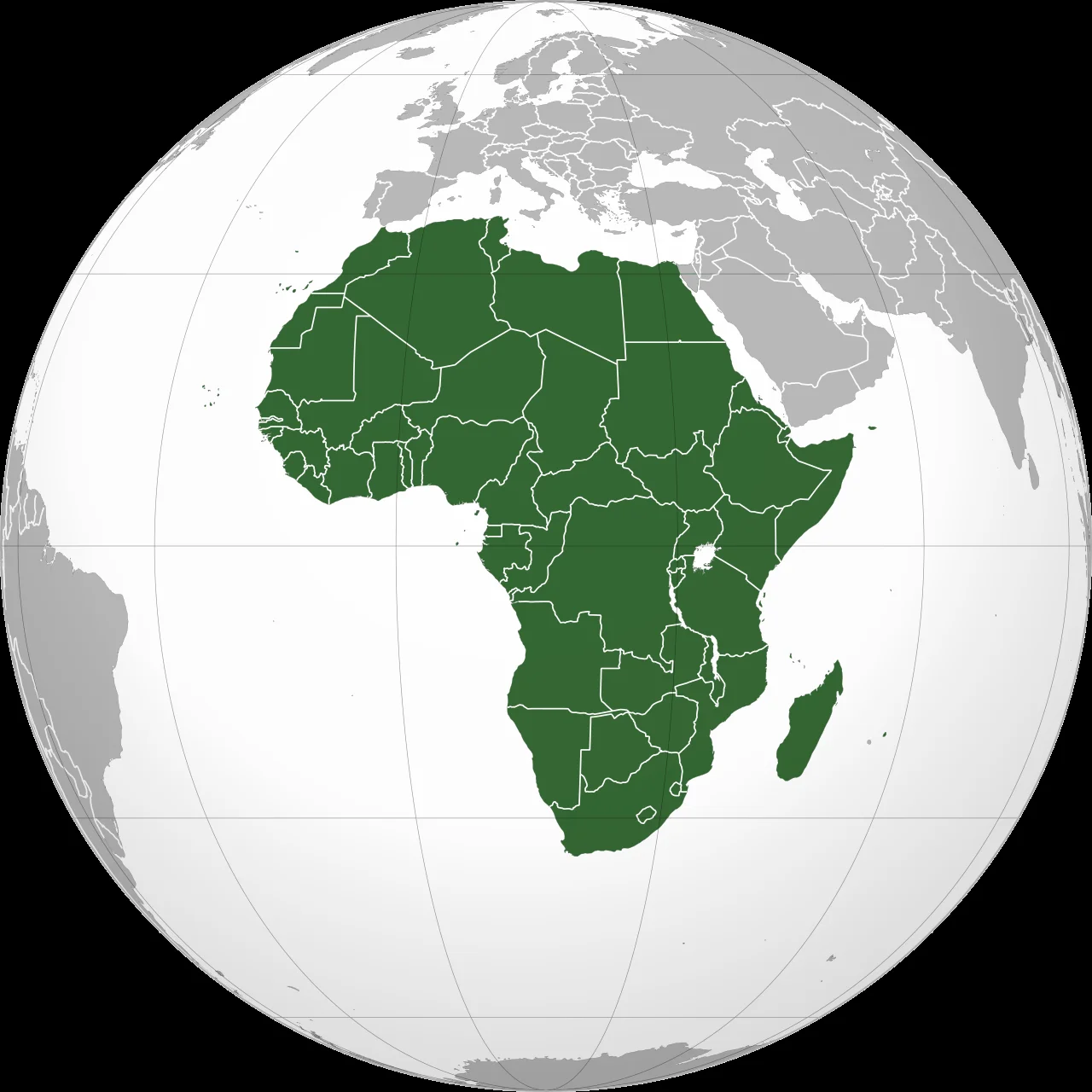
This incident highlights the intersection of governance, development, and the continuing challenges faced by African nations in their quest for stability. South Africa, as one of the continent’s leading economies, has a significant role in shaping regional politics and economics. The arrest of a high-profile figure such as Bellarmine Mugabe not only affects South African legal proceedings but also raises concerns about the influence of legacy politics on contemporary governance and development strategies across Africa. South Africa's handling of this case could impact its relations with Zimbabwe and reflect on its broader governance issues, including accountability and rule of law—core components of the African development agenda.
Impact and Implications
Bellarmine Mugabe's arrest may have several implications for South Africa and its influence on Nigeria and the wider African context. As South Africa seeks to position itself as a strong leader within Africa, incidents involving politically charged figures could undermine its efforts at regional stability. Moreover, the Mugabe legacy continues to evoke varying sentiments in Zimbabwe and among its neighbours, which may affect trade, diplomatic relations, and social cohesion within the region. This situation demands attention from African leaders, particularly as it underscores the challenges of governance and accountability that are crucial to achieving the African Union's Agenda 2063 goals.
Outlook
As the case against Bellarmine Mugabe unfolds, analysts will be watching closely for any developments that may arise. Observers expect that the outcome could influence public sentiment in Zimbabwe and South Africa, as well as highlight the need for deeper discussions around governance reforms and the legacies of past leadership across the continent. The implications of this incident extend beyond individual circumstances; they serve as a reminder of the enduring challenges facing African nations in their pursuit of development, stability, and economic growth.