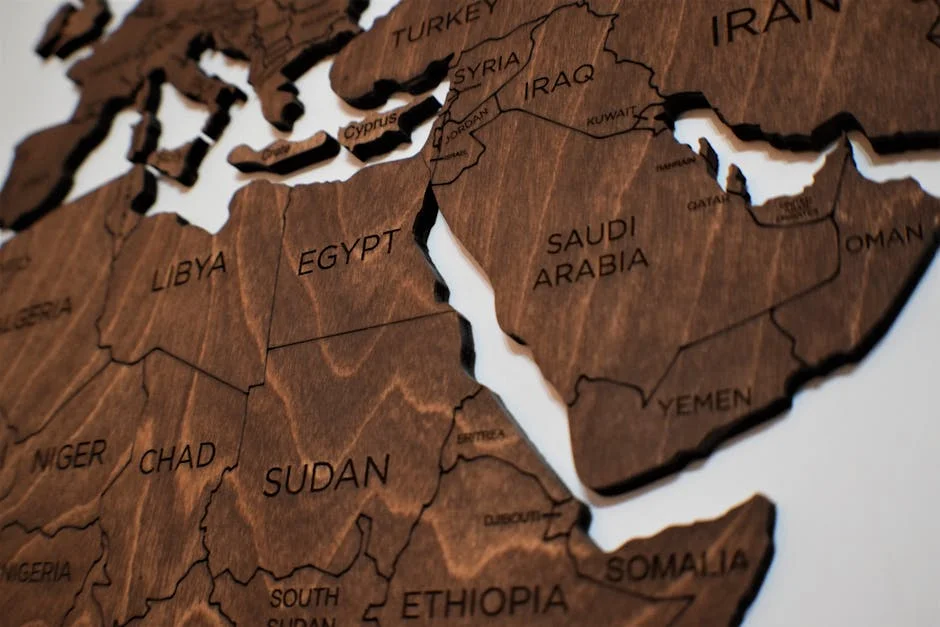
In a recent address at the United Nations, Angola's envoy to the UN emphasised the need for Africa to secure a permanent seat on the UN Security Council and improved access to international financing. This statement highlights ongoing discussions about Africa's role in global governance and its developmental aspirations.
Context and Background
The push for Africa to have a stronger voice in international affairs has been a long-standing issue, particularly in the context of the United Nations. As the continent faces numerous challenges, including poverty, political instability, and inadequate infrastructure, the call for better representation at the UN Security Council becomes increasingly vital. Africa's population of over 1.3 billion people deserves a seat at the table where global decisions are made, reflecting its significance on the world stage.
Key Developments
Details and Evidence
According to recent data from the African Development Bank, Africa requires approximately $68 billion annually to meet its infrastructure needs alone. However, limited access to international financing remains a significant barrier. Angola's envoy underscored that without a permanent seat, African countries may continue to struggle with securing the necessary funding to advance their development goals and ensure stability. Furthermore, Angola itself has made strides in economic growth, with the World Bank reporting a projected GDP growth of 2.4% in 2023, a sign of potential that could benefit from increased support.
Analysis: African Development and Pan-African Perspective
The call for improved representation and financing is deeply intertwined with Africa's development goals. The African Union's Agenda 2063 aims to transform the continent into a global powerhouse, focusing on economic growth, infrastructure, health, education, and good governance. Angola's advocacy for a permanent seat on the UN Security Council can be seen as part of a broader movement among African leaders to address the systemic inequities that have historically sidelined African voices in global decision-making.
Impact and Implications
The implications of this advocacy extend beyond mere representation at the UN. If Africa succeeds in securing a permanent seat, it could lead to a stronger collective voice on issues affecting the continent, such as climate change, health crises, and economic inequality. Furthermore, improved access to financing could facilitate infrastructure development, thereby enhancing trade and connectivity within Africa, ultimately benefiting countries like Nigeria through increased regional cooperation.
Outlook
Looking ahead, the outcome of this advocacy remains uncertain, but experts suggest that continued pressure from African nations could influence the UN's future decisions regarding Security Council reform. Stakeholders are urged to monitor developments closely, as the future of Africa's representation at the UN could significantly affect its economic prospects and developmental trajectory. As Angola pushes for these changes, the eyes of the continent will be watching, hoping for a shift that will empower African nations in the global arena.