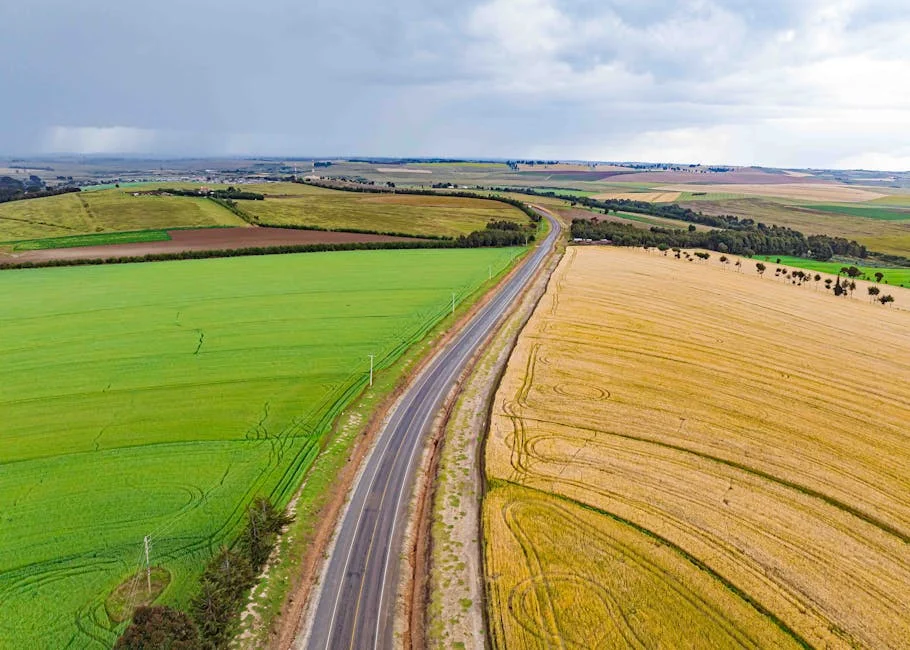
Lead paragraph: In an era marked by geopolitical shifts and economic realignments, Africa finds itself at a crossroads. As global powers recalibrate their strategies, the continent must decide whether it will secure a seat at the table or become collateral in the new world order.
Context and Background
The 21st century has witnessed significant changes in the global landscape, with emerging economies gaining prominence and traditional powers facing challenges. Africa, rich in resources and potential, has often been overlooked in global discussions. However, the continent's growing population, youthful demographics, and vast natural resources position it as a key player in future economic growth. The African Union's Agenda 2063 aims to accelerate the continent's development, focusing on sustainable economic growth, enhanced governance, and improved infrastructure.

Key Developments
Details and Evidence
According to the African Development Bank, Africa's GDP is expected to grow by 4% in 2023, driven by sectors such as technology, agriculture, and renewable energy. Furthermore, the continent is home to 60% of the world's arable land, making it a vital player in food security. However, these opportunities are tempered by challenges such as inadequate infrastructure, health disparities, and governance issues. Reports from the World Health Organisation indicate that health systems in many African countries remain underfunded and ill-equipped to handle crises, which can undermine economic progress.
Analysis: African development and pan-African perspective
From an en-NG perspective, the unfolding global dynamics present both a challenge and an opportunity for Africa. As the continent grapples with its development goals, it must leverage its position to advocate for equitable trade agreements, investment in infrastructure, and prioritisation of health and education. The dialogue surrounding Africa's role in the new world order must also involve local voices and stakeholders to ensure that the continent's interests are adequately represented and that its potential is fully realised.
Impact and Implications
The implications of Africa's engagement in the new world order are profound. If African leaders successfully navigate these waters, the continent could attract foreign investment, enhance technological transfer, and promote sustainable development. Conversely, failure to assert its interests could result in Africa being sidelined in global discussions, exacerbating existing inequalities and hindering development. Countries that are proactive in forging alliances and addressing internal challenges will likely emerge as leaders in this new paradigm.
Outlook
Looking ahead, experts suggest that the key to Africa's future lies in its ability to harness its resources effectively while navigating the complexities of global politics. Analysts recommend focusing on regional integration, improving governance, and investing in education and technology as essential strategies for success. As Africa continues to assert its place on the world stage, observers should watch for developments in trade agreements, climate initiatives, and health partnerships, which will shape the continent's trajectory in the coming years.