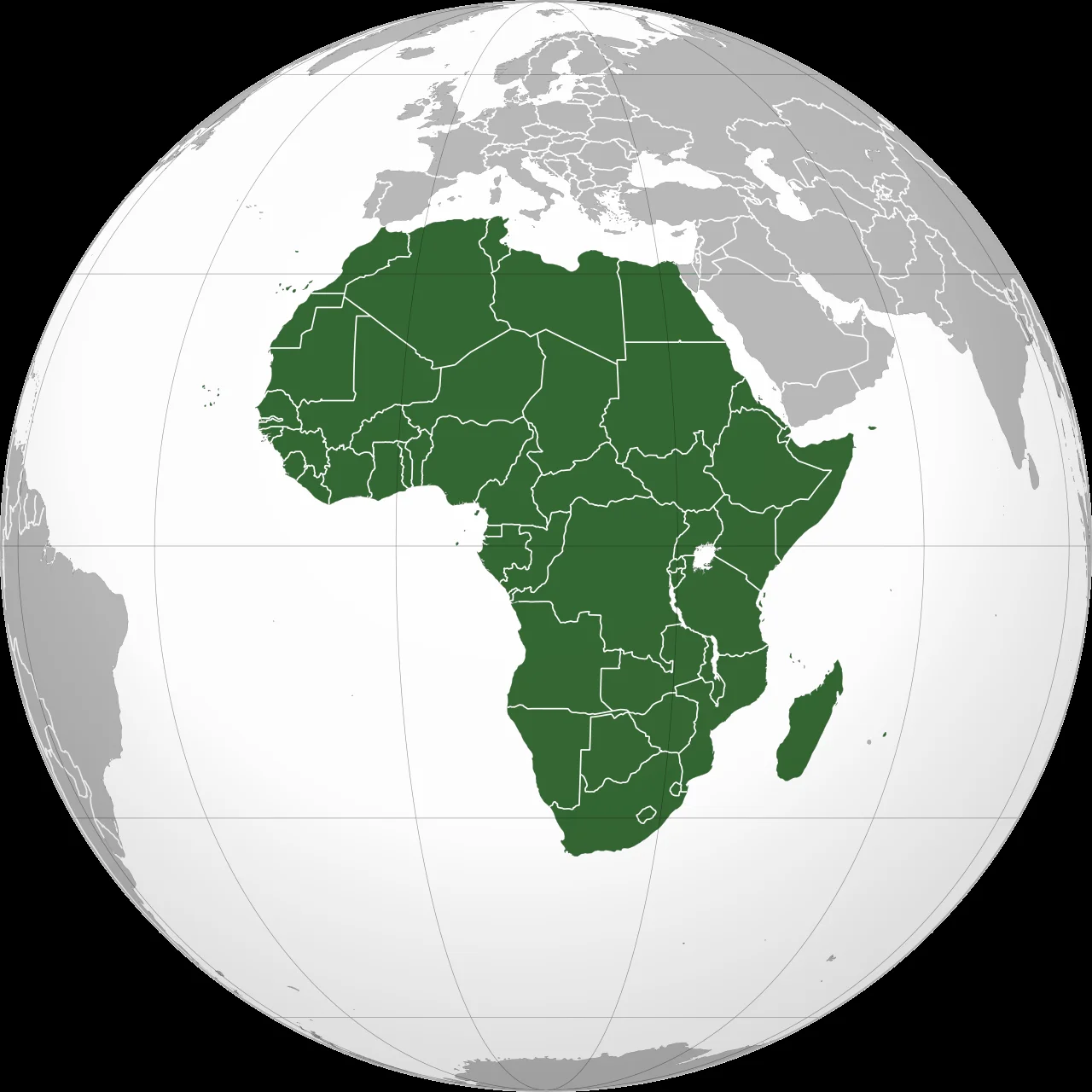
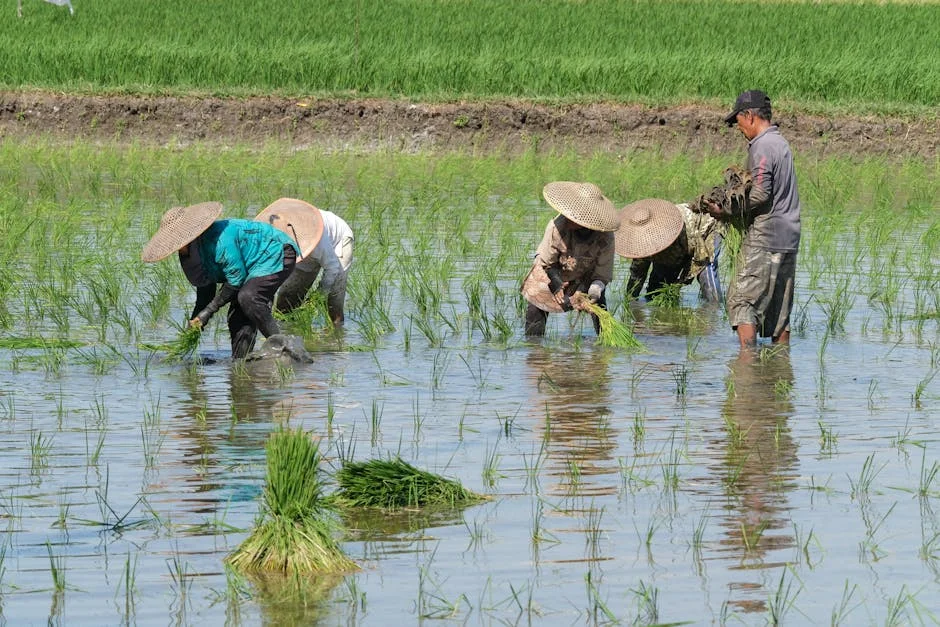
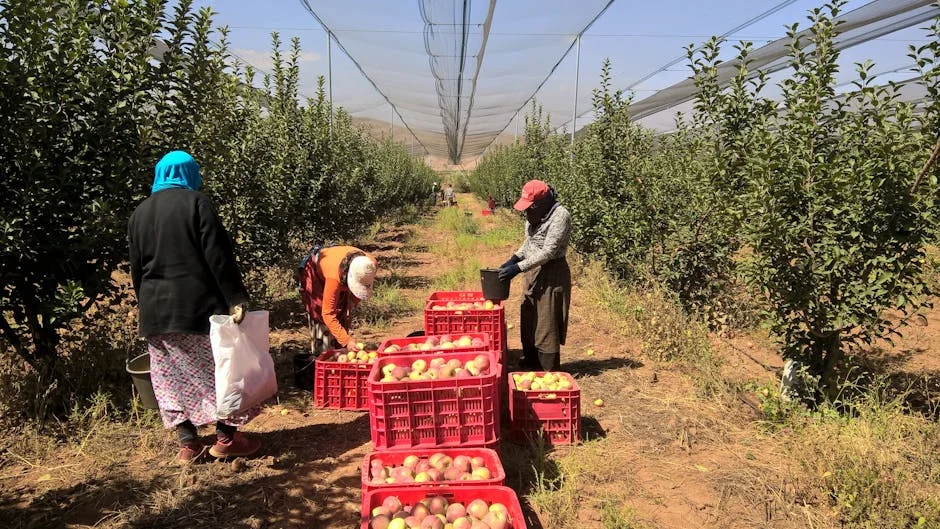
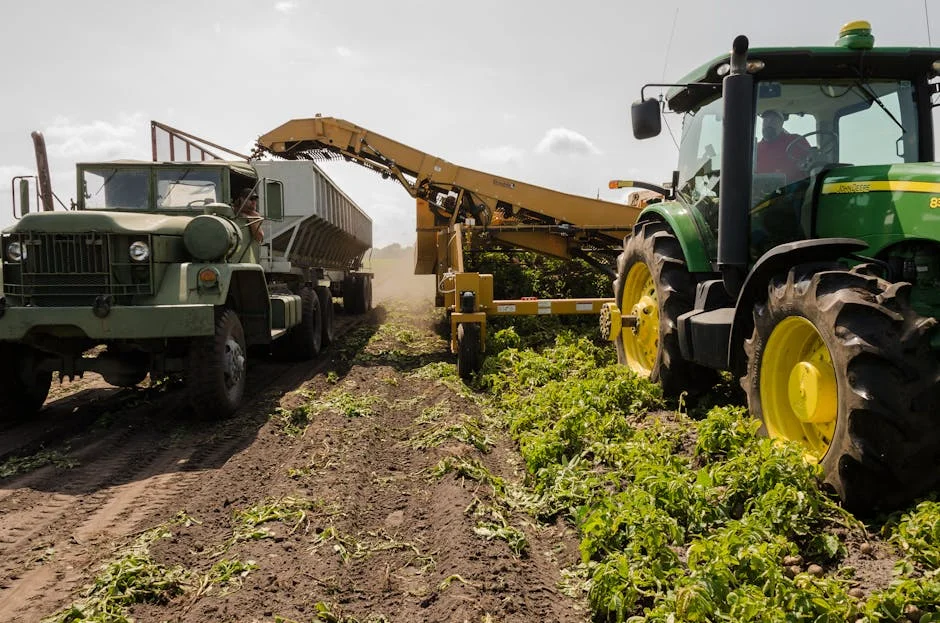
Africa's push to accelerate sustainable agricultural mechanization gained fresh momentum in early February 2026, as Tanzania's Prime Minister Mwigulu Nchemba launched the country's National Agricultural Mechanization Strategy 2026–2036 at the opening of the Africa Conference on Sustainable Agricultural Mechanization. Organized by the Food and Agriculture Organization of the United Nations (FAO) and hosted by the Government of Tanzania, the landmark conference brought together governments, the private sector, researchers, development partners, youth representatives, and farmers to exchange experience, build partnerships, and identify solutions that can be scaled across the continent.
Despite holding approximately 202 million hectares of uncultivated arable land — nearly half of the world's total — Africa's average crop yields remain at only 56 percent of global levels. Although roughly 60 percent of Africa's population depends on agriculture for their livelihoods, the sector contributes just around 21 percent of GDP. This persistent productivity gap costs the continent hundreds of billions of dollars annually and perpetuates food insecurity for hundreds of millions of people. Delegates at the Dar es Salaam conference agreed that closing this gap requires a dramatic acceleration in mechanization tailored to Africa's diverse farming systems, climates, and economic realities.
FAO Deputy Director-General Beth Bechdol struck a cautionary note during her keynote address, stressing that past mechanization approaches had often failed due to poor adaptation to local conditions and weak after-sales support systems. "Mechanization today cannot look like mechanization of the past," she told the assembled delegates, calling for farmer-centred solutions backed by strong financing mechanisms, skills development programmes, and public-private partnerships. Simultaneously, the African Development Bank and the World Bank launched the AgriConnect programme for Côte d'Ivoire, pledging to mobilize more than five billion dollars annually through 2030 for agricultural infrastructure, policy reform, and innovative financing across the continent.
The Nairobi-based Africa Agri Expo 2026 added further momentum to the mechanization agenda, drawing over 10,000 visitors, participation from 1,000 agribusiness companies, and delegates from 35 countries to showcase cutting-edge technologies — from AI-powered farm management software and intelligent irrigation systems to precision drone technology. As Africa's agricultural sector edges toward an anticipated one-trillion-dollar annual market by 2030, analysts say events like these are more than trade shows; they are gateways to the transformation that can feed a continent of 1.5 billion people and position Africa as a net food exporter within a generation.