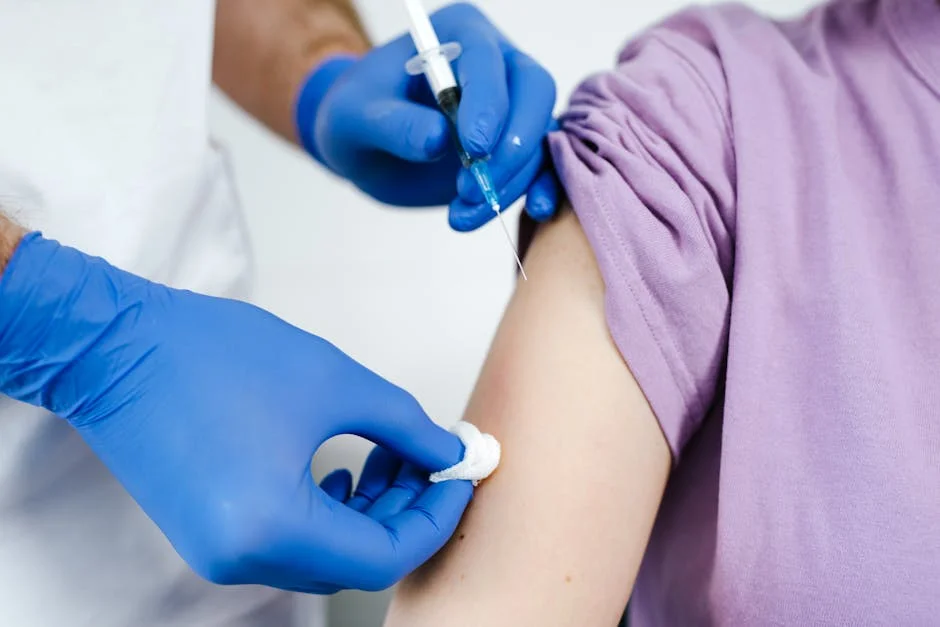
The World Health Organization (WHO) has recommended the use of new diagnostic tools to combat tuberculosis (TB) across Africa, a move that could significantly improve early detection and treatment in a region where the disease remains a major public health challenge. The announcement comes as part of the global effort to end TB by 2030, with Africa bearing the highest burden of the disease.
The new tools, which include rapid molecular tests and AI-assisted imaging, are designed to detect TB more accurately and quickly than traditional methods. The WHO's recommendation follows a pilot program in six African countries, which showed a 30% increase in early diagnosis rates. This development is critical for Africa, where more than 2.5 million TB cases are reported annually, and only about half are diagnosed and treated.
How This Impacts African Development Goals
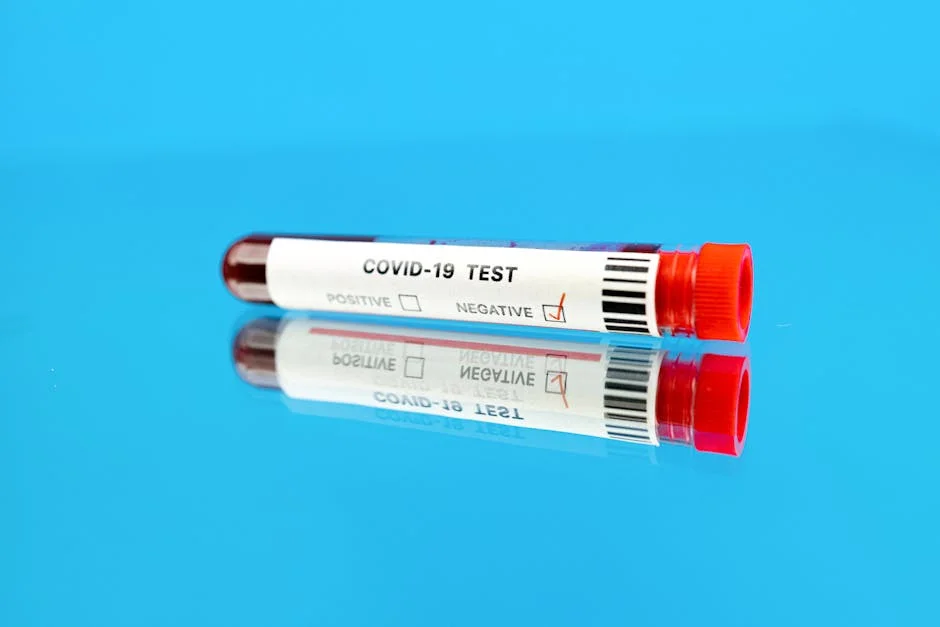
The WHO's new diagnostic tools align with several Sustainable Development Goals (SDGs), particularly SDG 3, which focuses on ensuring healthy lives and promoting well-being for all. By improving TB detection and treatment, the initiative could reduce the disease’s economic and social impact, enabling affected communities to thrive and contribute to national development.
Africa's TB crisis has long been linked to weak healthcare systems, limited access to medical resources, and poverty. The new tools offer a chance to address these challenges by enhancing the efficiency and reach of healthcare services. In Nigeria, for example, where TB is a leading cause of death, the introduction of these tools could save thousands of lives and reduce the strain on the country's already overburdened hospitals.
Challenges and Opportunities
Despite the promise of the new tools, implementation remains a key challenge. Many African countries face shortages of trained healthcare workers, inadequate infrastructure, and limited funding. Without proper training and support, the potential of the new diagnostics may not be fully realized.
However, the WHO's recommendation also presents an opportunity for regional collaboration. African nations can pool resources, share best practices, and work with international partners to scale up TB detection and treatment. This could serve as a model for addressing other health challenges on the continent, such as HIV, malaria, and emerging infectious diseases.
What Comes Next?
The WHO has urged African governments to integrate the new diagnostic tools into their national health strategies. In addition, the organization is working with local and international partners to provide training and equipment to healthcare facilities across the continent. The success of this initiative will depend on strong political will and sustained investment.
Health experts warn that without a coordinated effort, the new tools may not reach the most vulnerable populations. The WHO has also called for increased public awareness campaigns to reduce the stigma associated with TB and encourage people to seek testing and treatment.
Africa's Path Forward
The WHO's move to recommend new TB diagnostic tools is a significant step toward improving public health in Africa. It reflects a growing recognition that health is a cornerstone of development and that investment in healthcare can yield long-term economic and social benefits.
For African nations, the challenge now is to translate this global initiative into local action. With the right policies, resources, and partnerships, the new tools could help Africa make meaningful progress toward ending TB and achieving broader development goals. The coming months will be critical in determining whether this opportunity is seized or lost.
Frequently Asked Questions
What is the latest news about who launches new tb tests across africa 100m people at risk?
The World Health Organization (WHO) has recommended the use of new diagnostic tools to combat tuberculosis (TB) across Africa, a move that could significantly improve early detection and treatment in a region where the disease remains a major public
Why does this matter for health-medicine?
The new tools, which include rapid molecular tests and AI-assisted imaging, are designed to detect TB more accurately and quickly than traditional methods.
What are the key facts about who launches new tb tests across africa 100m people at risk?
This development is critical for Africa, where more than 2.5 million TB cases are reported annually, and only about half are diagnosed and treated.