Oil prices surged on Tuesday after former U.S. President Donald Trump made controversial remarks about Iran, reigniting regional tensions in the Middle East. The statements came as global markets closely watched the implications for energy security and geopolitical stability. The situation has sparked concerns across Africa, where energy security and economic growth remain critical development challenges.
Trump's Comments and Immediate Market Reactions
On Tuesday, Trump, who remains a polarizing figure in U.S. politics, made remarks suggesting that Iran was planning a "major attack" on U.S. interests. His comments, delivered during a campaign event, sent shockwaves through global financial markets. Oil prices, which had been relatively stable, spiked as traders anticipated potential disruptions in the Middle East, a key supplier of global crude.
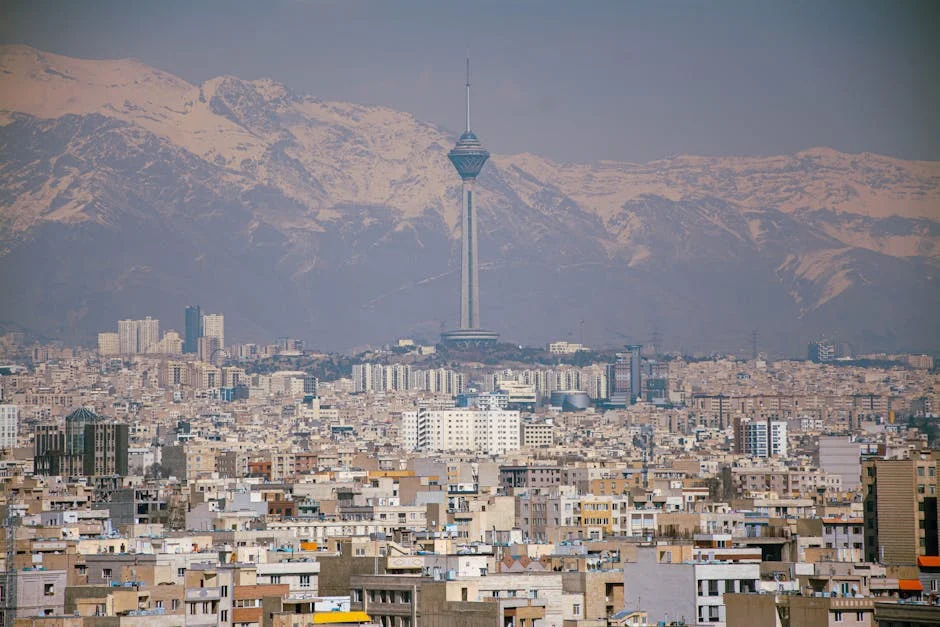
The Middle East, home to some of the world's largest oil reserves, is a critical region for global energy markets. Any instability in the region has direct implications for oil prices, which in turn affect economies across Africa. For many African nations, energy is a cornerstone of development, influencing everything from industrial growth to food security and public health.
Why the Middle East Matters for Africa
The Middle East's strategic importance to Africa cannot be overstated. The region is a major supplier of oil, gas, and other essential resources, and its political dynamics often influence trade, investment, and diplomatic relations across the continent. African countries, many of which are still developing their energy infrastructure, rely heavily on stable and affordable energy imports.
Moreover, the Middle East has become a hub for African diaspora communities, with millions of workers from countries such as Nigeria, Egypt, and Ethiopia finding employment in the region. Political instability or conflict in the Middle East can have ripple effects on African economies, affecting remittances and labor markets.
Implications for African Development Goals
African development goals, including those outlined in the African Union's Agenda 2063, emphasize the need for sustainable energy, infrastructure, and economic resilience. The recent surge in oil prices due to Middle East tensions could hinder progress on these goals, particularly for countries that depend on oil imports for industrial and agricultural activities.
For example, Nigeria, Africa's largest oil producer, still faces energy shortages due to inadequate refining capacity and infrastructure gaps. A spike in global oil prices could exacerbate these challenges, increasing the cost of energy for households and businesses alike. This underscores the need for Africa to diversify its energy sources and invest in renewable alternatives.
What to Watch Next
As the situation in the Middle East continues to evolve, African governments and international partners will be closely monitoring the impact on energy prices and regional stability. The African Union and regional economic communities are expected to issue statements on how to mitigate the effects of rising energy costs and ensure continued development progress.
For now, the key takeaway is clear: the Middle East remains a critical region for global and African economic stability. As Donald Trump's comments highlight, even the rhetoric of a former U.S. leader can have far-reaching consequences. For Africa, the challenge is to navigate these global dynamics while advancing its own development agenda.
Frequently Asked Questions
What is the latest news about trump sparks middle east tensions as oil prices surge?
President Donald Trump made controversial remarks about Iran, reigniting regional tensions in the Middle East.
Why does this matter for politics-governance?
The situation has sparked concerns across Africa, where energy security and economic growth remain critical development challenges.
What are the key facts about trump sparks middle east tensions as oil prices surge?
politics, made remarks suggesting that Iran was planning a "major attack" on U.S.