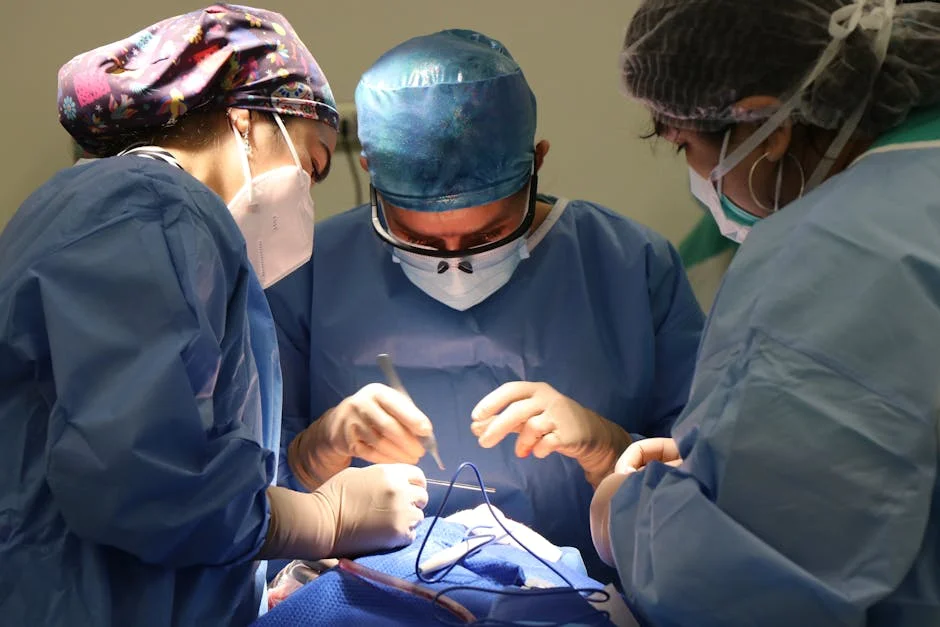
Harish Rana, India's first patient to be granted passive euthanasia, has died after spending 13 years in a coma. The case, which sparked national debate on medical ethics and patient rights, ended in Ghaziabad, a city in northern India. Rana, a 51-year-old man, had been in a persistent vegetative state since a 2008 accident in Delhi. His death marks a significant moment in India's legal and medical history, raising questions about end-of-life care and the role of the state in such decisions.
Legal and Ethical Implications
Rana’s case was the first to be legally sanctioned under India’s 2018 Supreme Court ruling on passive euthanasia. The court allowed families to request the withdrawal of life support for patients in a permanent vegetative state. This decision was a landmark in a country where medical ethics and religious beliefs often clash. The case was closely watched by legal scholars, medical professionals, and human rights activists, who saw it as a test of India's evolving approach to end-of-life decisions.

The legal battle was led by Rana’s wife, who argued that her husband’s quality of life had deteriorated beyond repair. Her request was initially denied by the court, but after a prolonged legal process, the Supreme Court allowed the withdrawal of life support in 2018. Rana’s death comes after years of legal and medical deliberation, highlighting the complexity of such cases in a country with diverse cultural and religious views on life and death.
Global and Local Reactions
While the case was deeply personal, it also had broader implications. It brought attention to the need for clearer legal frameworks around end-of-life care in India, where such decisions are often left to family and medical professionals without clear guidelines. International human rights groups praised the ruling as a step forward, but critics warned of the potential for misuse, especially in a country with limited healthcare infrastructure.
Despite the focus on India, the case has relevance for African nations grappling with similar ethical dilemmas. Many African countries are still developing legal systems that address end-of-life care, and the Indian experience offers a case study in balancing individual rights with state and religious interests. As African nations work toward achieving Sustainable Development Goals, including health and well-being for all, such legal and ethical frameworks become increasingly important.
Development and Governance Challenges
India’s case reflects the challenges of governance in a rapidly developing nation. The legal and medical systems must adapt to new ethical demands while ensuring transparency and accountability. This is a challenge faced by many African countries as they seek to build robust healthcare and legal institutions. The Rana case shows how the intersection of law, medicine, and ethics can shape public policy and influence national development strategies.
African nations can draw lessons from India’s experience, particularly in establishing clear legal procedures for end-of-life decisions. As many African countries work to improve healthcare access and governance, the Rana case underscores the importance of creating policies that respect individual autonomy while maintaining ethical standards.
Future Implications and Watch Points
The Rana case is a milestone, but it also raises questions about the future of end-of-life care in India and beyond. Will other countries follow India’s lead in legalizing passive euthanasia? How will these laws be implemented in practice? These are critical questions that will shape the future of medical ethics and patient rights.
For African development, the case is a reminder of the need for inclusive, rights-based policies that reflect the diverse values of the continent. As African nations continue to build their legal and healthcare systems, the Rana case serves as a cautionary tale and a potential guide in navigating complex ethical issues.