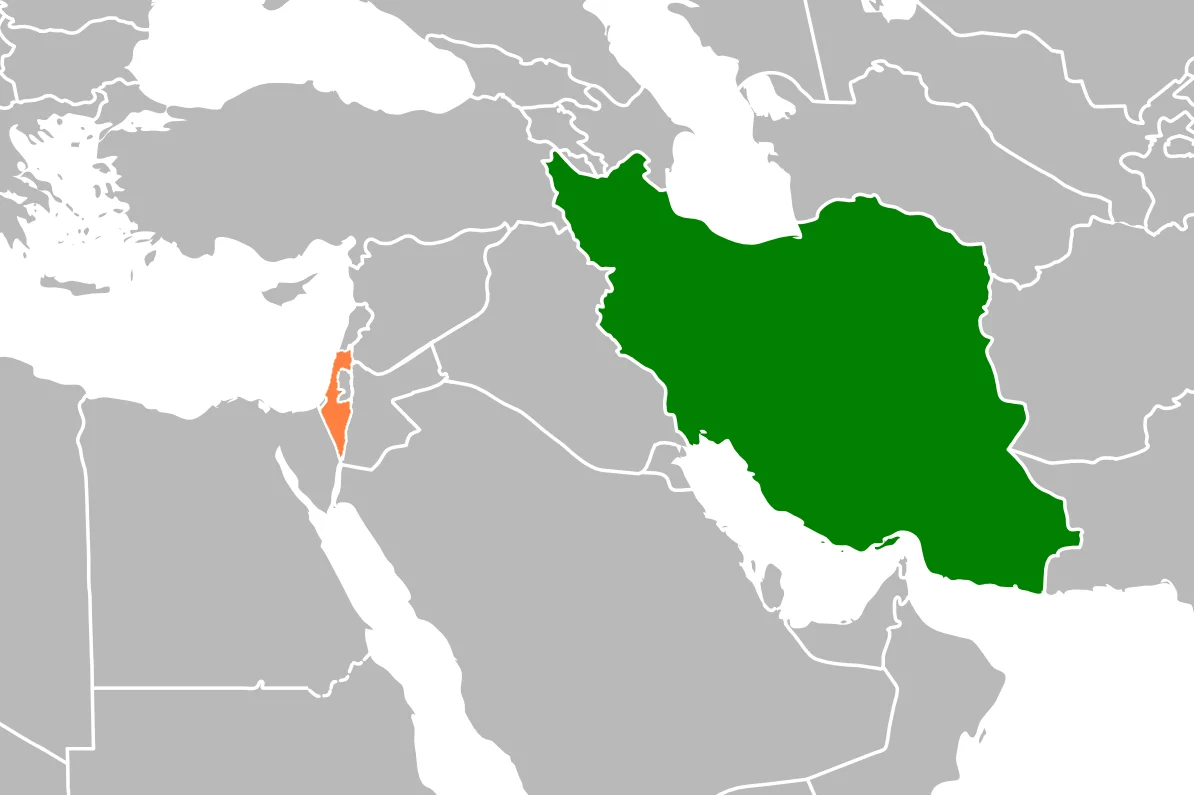
US President Donald Trump claimed on Monday that Iran had agreed to abandon nuclear weapons, a statement that was quickly refuted by Iranian officials. The assertion came as tensions between the two nations remain high following the US withdrawal from the 2015 nuclear deal and renewed sanctions against Iran. The conflicting statements have raised concerns about the stability of the Middle East and its potential impact on global and regional security.
The White House released a statement from Trump, who said: "Iran has agreed to not have nuclear weapons. They are going to be very good, very clean. We’re going to be very strong." However, Iranian Foreign Ministry spokesperson Saeed Khatibzadeh denied any such agreement, stating: "There has been no negotiation with the US, and there will be no negotiation with the US. We have no interest in dialogue with the US under these conditions."
Regional Tensions and African Security Concerns
The ongoing conflict between the US and Iran has broader implications for Africa, particularly in regions where instability and security threats are already significant. Many African nations depend on stable global markets and political environments to support their development agendas. The uncertainty surrounding Iran’s nuclear programme and US foreign policy could indirectly affect trade, investment, and security cooperation on the continent.
Analysts note that the Middle East’s instability often spills over into Africa, particularly in the Sahel and Horn of Africa regions, where extremist groups and political unrest are persistent challenges. The potential for increased military or economic pressure on Iran could lead to greater regional volatility, which African countries must navigate carefully.
Impact on African Diplomacy and Trade
African nations have historically maintained a delicate balance in their foreign relations, often avoiding direct involvement in US-Iran tensions. However, the situation could force African leaders to reassess their diplomatic stances, especially as global powers continue to exert influence over the continent’s resources and strategic interests.
Trade between Africa and Iran remains relatively small, but the potential for increased economic activity exists, particularly in sectors such as energy and agriculture. If the US and Iran reach a new agreement or if tensions escalate, African countries may face pressure to align with one side or the other, affecting their foreign policy autonomy.
Implications for African Development Goals
The unresolved conflict between the US and Iran highlights the importance of multilateral diplomacy and international cooperation in achieving the African Union’s Agenda 2063. This initiative aims to promote sustainable development, economic growth, and political stability across the continent. Any escalation in global conflicts could divert attention and resources away from these critical goals.
Moreover, the situation underscores the need for African countries to strengthen their own governance and security institutions. As global powers jockey for influence, Africa must ensure that its development priorities remain at the forefront of international discussions.
What to Watch Next
As the situation between the US and Iran continues to evolve, African leaders and international observers will be closely monitoring developments. The next few weeks could see increased diplomatic efforts or renewed hostilities, both of which could have far-reaching consequences for the continent.
African nations will need to remain vigilant and proactive in safeguarding their interests. Engaging in dialogue with all parties involved, while maintaining a focus on development and stability, will be crucial in navigating this complex geopolitical landscape.
Frequently Asked Questions
What is the latest news about trump claims iran agreed to no nukes tehran denies talks?
US President Donald Trump claimed on Monday that Iran had agreed to abandon nuclear weapons, a statement that was quickly refuted by Iranian officials.
Why does this matter for economy-business?
The conflicting statements have raised concerns about the stability of the Middle East and its potential impact on global and regional security.
What are the key facts about trump claims iran agreed to no nukes tehran denies talks?
We’re going to be very strong." However, Iranian Foreign Ministry spokesperson Saeed Khatibzadeh denied any such agreement, stating: "There has been no negotiation with the US, and there will be no negotiation with the US.