The Philippines has declared a national emergency following a severe fuel crisis triggered by the ongoing conflict in the Middle East, which has disrupted global supply chains and pushed fuel prices to record highs. The declaration, announced by President Ferdinand Marcos Jr. on Monday, comes as the country grapples with rising inflation and economic instability, with the situation already impacting transportation, industry, and daily life for millions of citizens.
How the Fuel Crisis Escalated
The fuel shortage in the Philippines stems from a combination of factors, including disrupted maritime trade routes due to the Middle East conflict, a shortage of crude oil imports, and domestic production bottlenecks. The government reported that fuel reserves have dropped to dangerously low levels, with some regions facing complete shortages. This has led to long queues at gas stations, restricted movement of commercial vehicles, and a surge in transportation costs.
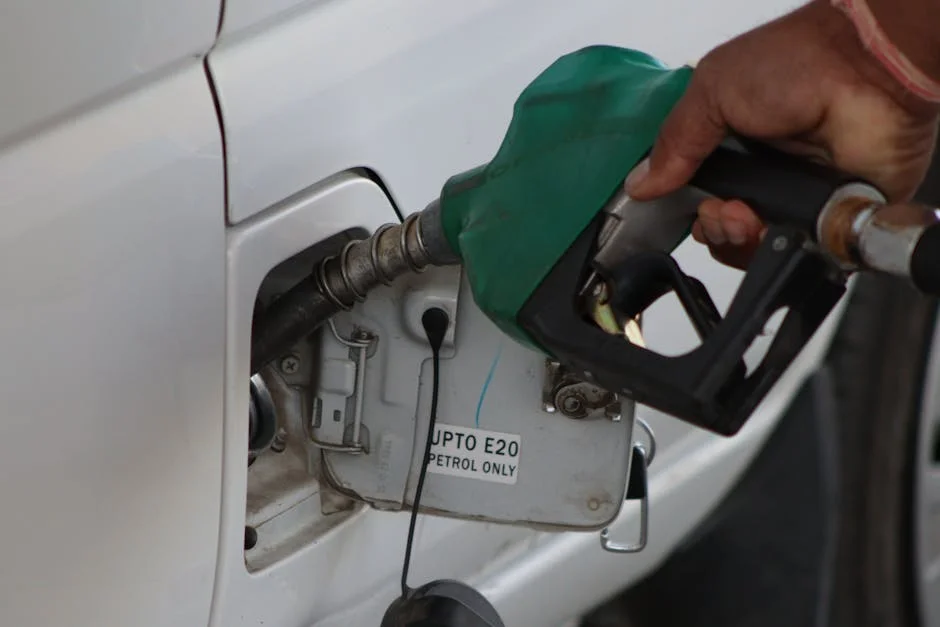
According to the Department of Energy, the country's fuel reserves have fallen to 15 days of supply, below the recommended 30-day buffer. The situation has forced the government to implement strict fuel rationing, prioritizing emergency services, hospitals, and essential industries. "This is a national emergency that threatens our economy and the livelihoods of our people," said Energy Secretary Raphael Lotilla in a press statement.
Regional and Global Context
The Philippines is not alone in facing fuel shortages, as the Middle East conflict has caused a ripple effect across global markets. The war has disrupted oil shipments through the Suez Canal and raised concerns over the stability of oil-producing nations, leading to increased volatility in global fuel prices. For African countries, which rely heavily on imported fuel, this crisis highlights the need for greater energy independence and regional cooperation.
Analysts note that the Philippines' situation reflects a broader challenge for developing nations: overreliance on external energy sources in a world increasingly shaped by geopolitical tensions. "This crisis underscores the vulnerability of economies that depend on imported fuel," said Dr. Nia Njoroge, an African energy policy expert. "For Africa, it’s a reminder of the urgent need to invest in renewable energy and regional energy grids to reduce dependency on volatile global markets."
Impact on African Development Goals
The fuel crisis in the Philippines has direct and indirect implications for African development. As a key trading partner with several African nations, the Philippines' economic instability could affect trade flows, particularly in sectors such as agriculture and manufacturing. Additionally, the crisis highlights the importance of infrastructure and energy resilience, which are central to achieving the United Nations Sustainable Development Goals (SDGs), especially SDG 7 (Affordable and Clean Energy) and SDG 9 (Industry, Innovation, and Infrastructure).
For African countries, the Philippines' emergency serves as a cautionary tale. Many African nations face similar vulnerabilities, including limited energy infrastructure, high fuel import dependency, and exposure to global market fluctuations. "The Philippines' experience is a wake-up call for Africa," said economist Amina Kassim. "We must prioritize investments in renewable energy, local production, and regional energy integration to build more resilient economies."
What’s Next for the Philippines and Beyond
The Philippine government has announced plans to secure alternative fuel sources, including increasing domestic production and exploring partnerships with other Asian countries. However, experts warn that these measures may take time to yield results. In the short term, the crisis is expected to fuel inflation, disrupt economic growth, and strain public services.
For African nations, the situation in the Philippines underscores the need for proactive energy planning and regional collaboration. As global energy markets become more volatile, African countries must accelerate efforts to diversify their energy sources and strengthen regional energy networks. "This is not just about the Philippines," said Dr. Njoroge. "It’s a global issue that demands a coordinated response, especially for developing economies that are most vulnerable to external shocks."
How This Crisis Affects Nigeria and Other African Nations
Nigeria, which is also heavily dependent on imported fuel, could face similar challenges if global oil prices continue to rise. The country’s fuel subsidy system, already under strain, may be further tested, leading to potential price hikes and public unrest. For African policymakers, the Philippines’ emergency highlights the urgent need to invest in energy security and reduce reliance on volatile global markets.
As the Philippines struggles to manage its fuel crisis, the lesson for Africa is clear: energy independence and regional cooperation are not just economic imperatives but also critical to long-term development and stability. The time to act is now.