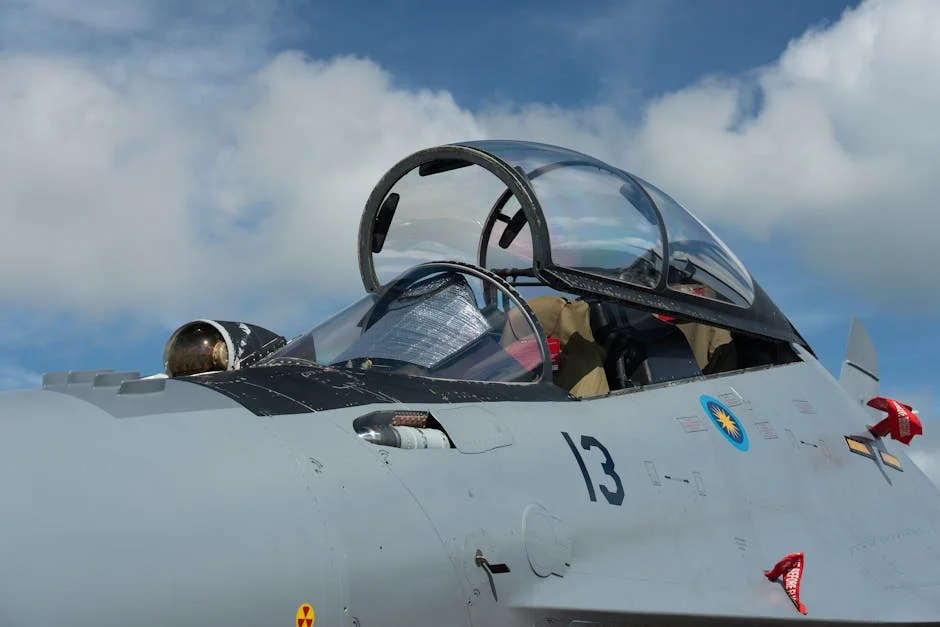
India has announced plans to develop a sixth-generation fighter jet, marking a major shift in its military strategy and raising concerns in neighboring countries, particularly China and Pakistan. The Indian Air Force has confirmed the project, which aims to enhance the nation's aerial capabilities and reduce reliance on foreign technology. The move has drawn attention across the region, with analysts noting the potential geopolitical implications.
The Indian government has not yet revealed details about the jet's specifications or potential international partnerships, but the project has already sparked speculation. Reports suggest India is considering collaborations with countries such as the United States and France, which could further complicate regional dynamics. The development comes amid heightened military activity in South Asia, with India and Pakistan frequently clashing over border disputes and strategic interests.
India's Strategic Shift
The decision to develop a sixth-generation fighter jet signals India's growing emphasis on self-reliance in defense technology. The project aligns with the government's "Make in India" initiative, which aims to boost domestic manufacturing and reduce dependence on foreign arms suppliers. This push for technological independence is part of a broader effort to strengthen India's position as a regional power.
India's military modernization has been a long-term goal, but the new fighter jet project represents a significant leap forward. The Indian Air Force has stated that the jet will incorporate advanced technologies such as artificial intelligence, stealth capabilities, and network-centric warfare systems. These features are expected to give India a strategic edge in the region.
Regional Concerns and Geopolitical Implications
China and Pakistan are closely monitoring India's progress, as the new fighter jet could alter the balance of power in South Asia. Pakistan, which has long relied on Chinese military support, has expressed concern over India's growing capabilities. Analysts suggest that the development could prompt Pakistan to accelerate its own defense projects or seek closer ties with China.
China, which has its own advanced fighter jet programs, has not officially commented on India's move. However, the development is likely to intensify military competition between the two nations. The South Asian region has seen a rise in defense spending in recent years, with both India and China investing heavily in modernizing their armed forces.
What This Means for Africa
While the focus of the new fighter jet is on South Asia, the implications extend beyond the region. African nations, particularly those with strategic interests in the Indian Ocean, may find themselves affected by shifting power dynamics. India's growing military and technological strength could influence its foreign policy, including its engagement with African countries.
African development goals, such as economic growth and infrastructure development, are closely tied to regional stability. A more assertive India could offer new opportunities for partnerships, especially in areas like technology transfer and defense cooperation. However, it could also lead to increased competition for influence, which African nations must navigate carefully.
What to Watch Next
As India moves forward with its sixth-generation fighter jet project, the international community will be watching closely. The next steps, including potential partnerships and the timeline for development, will be critical in shaping the region's security landscape. For African nations, the developments in South Asia could have far-reaching consequences, affecting trade, investment, and diplomatic relations.
India's military ambitions reflect a broader trend of rising powers seeking to assert their influence on the global stage. As the country continues to modernize its armed forces, the implications for regional and global stability will become increasingly clear. For now, the focus remains on how this development will shape the future of South Asia and its impact on the wider world.
Frequently Asked Questions
What is the latest news about india unveils sixthgen fighter jet regional tensions rise?
India has announced plans to develop a sixth-generation fighter jet, marking a major shift in its military strategy and raising concerns in neighboring countries, particularly China and Pakistan.
Why does this matter for economy-business?
The move has drawn attention across the region, with analysts noting the potential geopolitical implications.
What are the key facts about india unveils sixthgen fighter jet regional tensions rise?
Reports suggest India is considering collaborations with countries such as the United States and France, which could further complicate regional dynamics.