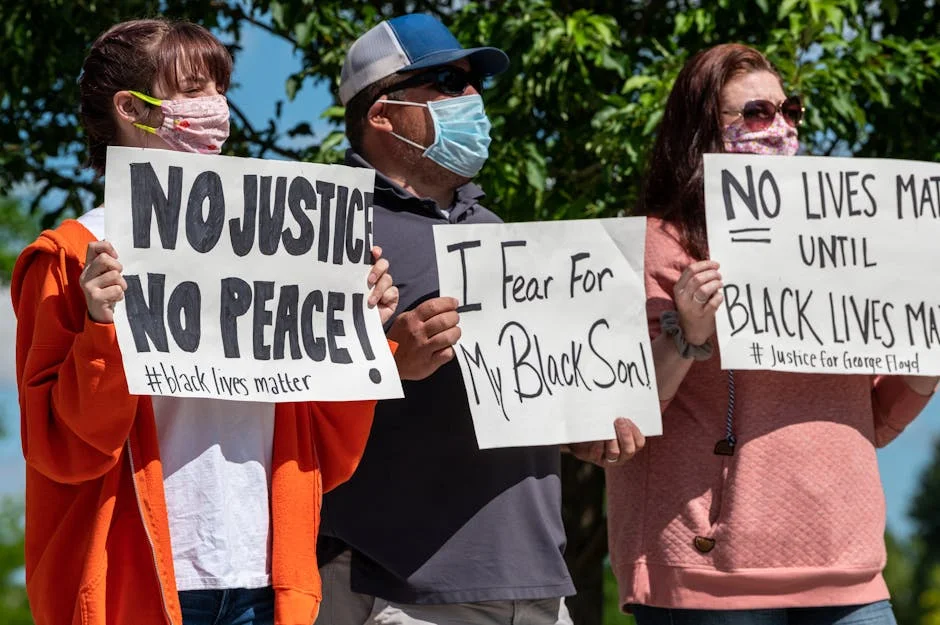
Filipino domestic workers in Nigeria have staged a historic protest in Lagos, demanding better working conditions, fair wages, and recognition of their contributions to the country’s economy. The event, organized by local advocacy groups, saw hundreds of workers gather in the city center, calling for an end to exploitation and mistreatment. The protest comes amid growing concerns over the treatment of migrant laborers in Nigeria, particularly those from the Philippines, who often face long hours, low pay, and limited legal protections.
Protest Highlights Migrant Labor Challenges
The protest was a rare public display of solidarity among Filipino domestic workers, many of whom have been in Nigeria for years. According to a 2023 report by the International Organization for Migration (IOM), over 15,000 Filipinos work in Nigeria, primarily as domestic helpers. Despite their vital role in households across the country, they often remain invisible in public discourse and policy discussions.
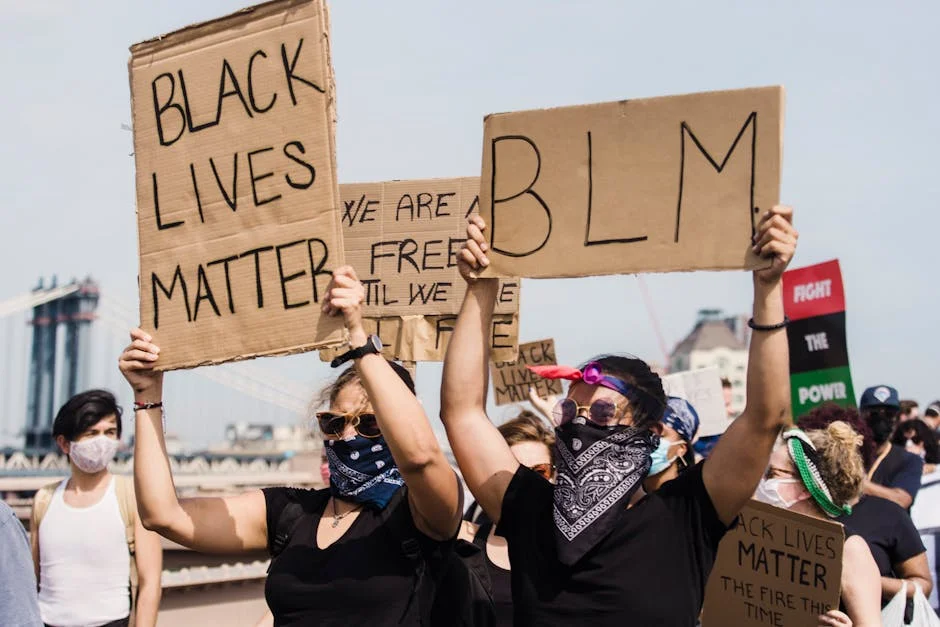
Organizers of the event, including the Filipino Workers Association in Nigeria, emphasized that the protest was not just about wages but also about dignity. “We are not just workers — we are human beings,” said Maria dela Cruz, a participant and advocate. “We deserve respect, fair pay, and the right to live with dignity.”
Context: Invisible Labor and African Development
The protest underscores a broader issue in African development: the invisibility of migrant labor in shaping economies. While African countries rely on migrant workers for essential services, including domestic work, healthcare, and agriculture, these workers often remain outside the scope of national labor policies and protections.
This situation reflects a key challenge in achieving Sustainable Development Goals (SDGs), particularly SDG 8, which calls for decent work and economic growth. Without legal protections and fair treatment, migrant workers are vulnerable to exploitation, limiting their potential to contribute meaningfully to the economies they support.
Implications for Regional Cooperation
The protest has drawn attention from both Nigerian and Filipino officials, with the Philippine Department of Labor and Employment issuing a statement expressing concern over the treatment of its citizens abroad. The Nigerian government has also been urged to review its labor policies to ensure better protection for migrant workers.
Regional cooperation is essential in addressing these issues. The African Union’s African Migration Policy Framework and the Philippines’ Overseas Workers’ Welfare Act provide a foundation for collaboration. However, implementation remains a challenge, with many workers still facing barriers to justice and support.
Looking Ahead: What’s Next for Migrant Workers?
Organizers of the protest are now pushing for a dialogue with both governments to establish clearer legal frameworks for migrant workers. They also plan to launch a public awareness campaign to highlight the contributions of domestic workers and advocate for policy reforms.
The event has sparked conversations across Nigeria and the wider African continent about the need to recognize and protect the rights of all workers, regardless of nationality. As African nations continue to grow and integrate economically, ensuring fair treatment for migrant laborers will be critical to achieving sustainable and inclusive development.