Narendra Modi, the Prime Minister of India, has marked 8,931 days in public office, a milestone that has been celebrated by the ruling Bharatiya Janata Party (BJP) as a testament to his leadership and governance. The achievement, recorded on May 26, 2024, underscores his long tenure as one of the longest-serving prime ministers in India's history. Union Minister Shivraj Singh Chouhan, a senior BJP leader, praised Modi for his "vision and dedication to national progress," highlighting his role in shaping India's development trajectory.
Modi’s Leadership and India’s Development Agenda
Modi’s tenure has been marked by a series of ambitious policies aimed at economic growth, infrastructure expansion, and digital transformation. Under his leadership, India has made significant strides in areas such as rural electrification, healthcare, and education. The government’s focus on "Make in India" and "Digital India" initiatives has attracted global investment and positioned the country as a key player in the global economy. These efforts align with broader African development goals, particularly in terms of improving access to technology, enhancing governance, and fostering economic resilience.
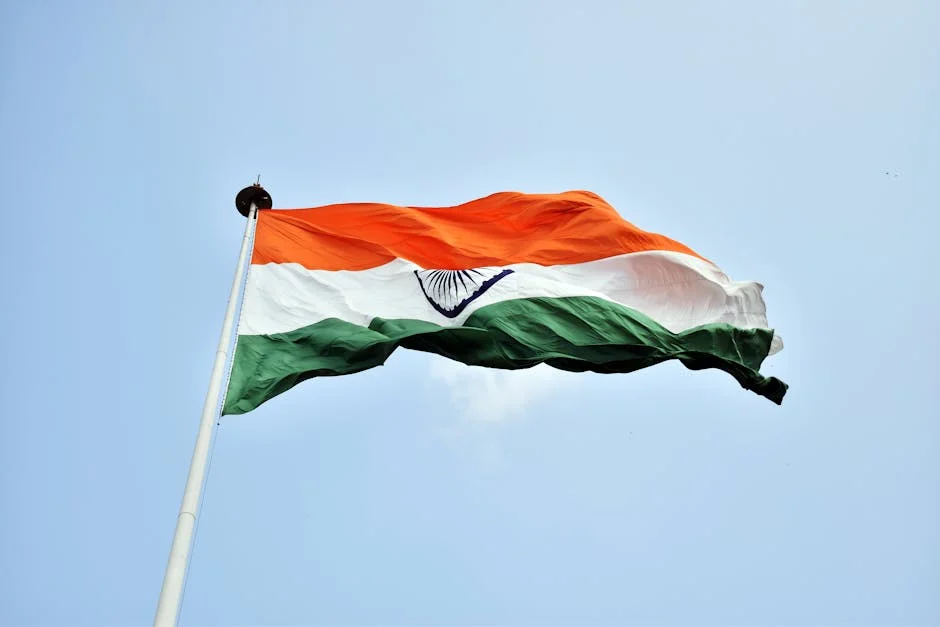
The Indian government's emphasis on infrastructure development, including the expansion of highways, railways, and ports, offers a model for African nations seeking to modernize their transport networks. Countries like Nigeria and Kenya have already engaged in partnerships with Indian firms to boost local infrastructure. However, challenges such as corruption, bureaucratic inefficiencies, and uneven regional development remain obstacles to sustained progress. Modi’s leadership, while celebrated, also faces criticism for its handling of social inequality and environmental concerns.
India’s Global Influence and Regional Partnerships
India's growing influence in global affairs has positioned it as a key partner for many African nations. The country's engagement with the continent spans trade, investment, and cultural exchange. Modi's government has prioritized strengthening ties with African countries through initiatives like the India-Africa Forum Summit, which aims to deepen economic and political collaboration. This aligns with African development goals that emphasize regional integration and mutual economic growth.
Modi’s impact on Nigeria, for instance, is evident in the increasing trade and investment flows between the two nations. Indian companies have invested in sectors such as agriculture, information technology, and pharmaceuticals, contributing to Nigeria’s economic diversification. However, the extent of this impact remains limited by factors such as trade barriers, regulatory challenges, and the need for stronger institutional frameworks. As India continues to expand its global footprint, its relationship with Africa will play a crucial role in shaping the continent's development narrative.
Challenges and Opportunities for African Development
African development goals, as outlined in the African Union’s Agenda 2063, emphasize the need for sustainable economic growth, improved governance, and enhanced regional cooperation. India’s experience offers valuable lessons, particularly in areas such as digital innovation and public-private partnerships. However, African nations must adapt these models to their unique contexts, ensuring that development strategies are inclusive and equitable.
The challenges faced by India, including rising inequality and environmental degradation, serve as a cautionary tale for African countries. As they pursue rapid economic growth, they must also address issues such as poverty, unemployment, and climate change. The success of India’s development model highlights the importance of strong leadership, effective governance, and long-term planning—factors that are equally critical for Africa’s progress.
What’s Next for India and Africa?
Looking ahead, the relationship between India and Africa is likely to deepen as both regions seek to strengthen economic ties and address common challenges. India’s continued focus on infrastructure and digital development could provide new opportunities for African nations to enhance their competitiveness. However, the success of these partnerships will depend on the ability of both sides to build trust, overcome bureaucratic hurdles, and ensure that development benefits all segments of society.
As Modi approaches his 9,000th day in office, his leadership will continue to shape India’s domestic and foreign policies. For African nations, the lessons from India’s development journey offer both inspiration and caution. The key will be to learn from India’s successes while avoiding its pitfalls, ensuring that growth is sustainable, inclusive, and aligned with the continent’s long-term vision.