Iran has condemned the UK for allowing the US to use its military bases, calling it "participation in aggression" as tensions escalate in the Middle East. The statement came amid rising concerns over regional stability and the potential for wider conflict. British Home Secretary Yvette Cooper was central to the UK's response, highlighting the government's stance on national security and international alliances.
The latest developments come as Iran continues to challenge Western influence in the region, with its foreign ministry issuing a formal statement condemning the UK's decision. The move has drawn attention from global observers, who are monitoring how African nations might be affected by shifting alliances and military strategies in the Middle East.
Iran's Stance and Regional Tensions
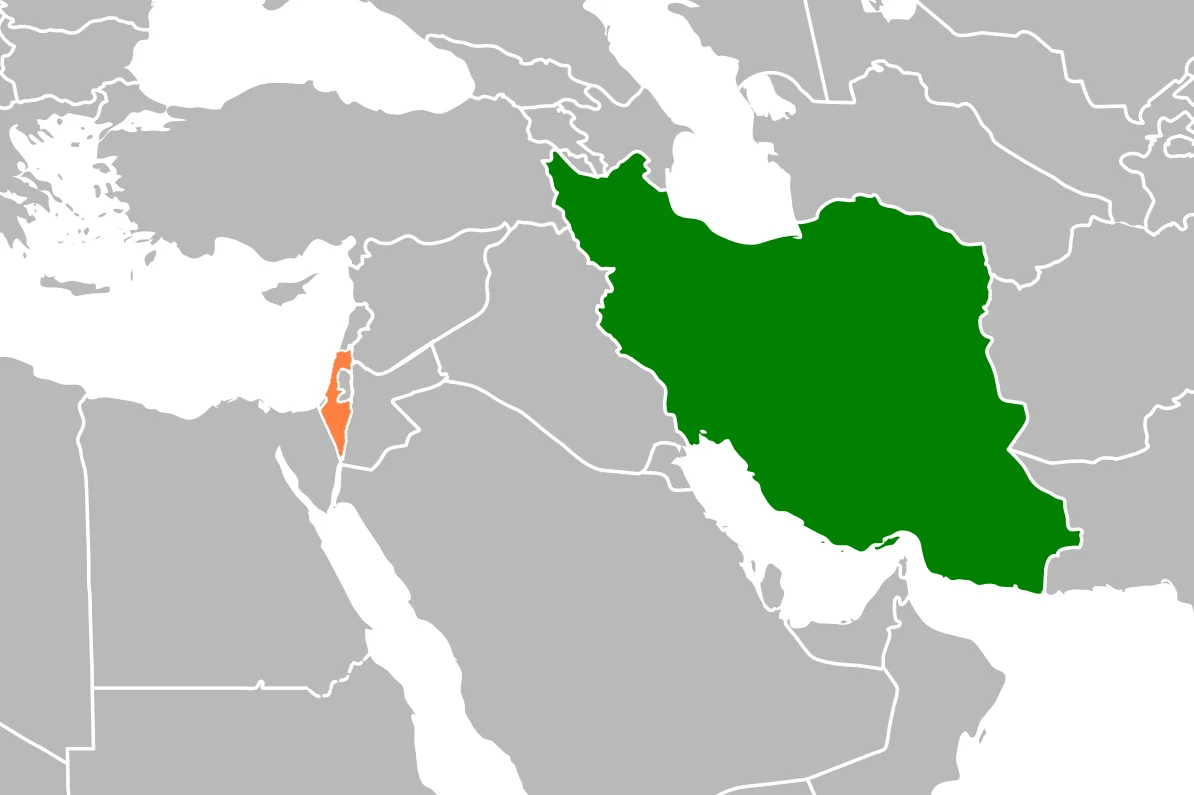
Iran's foreign ministry released a statement on Monday, accusing the UK of enabling US military operations in the region. The statement said, "The UK's decision is a clear act of participation in aggression against the region's stability." This rhetoric reflects the deepening rift between Iran and Western powers, particularly the US and its allies.
The UK's military bases, including those in the Gulf, have long been a point of contention. While the UK has not officially confirmed the extent of US access, the move has raised concerns about the potential for further military escalation. Analysts suggest that the UK's alignment with the US could have far-reaching consequences, including affecting global trade routes and regional security dynamics.
Yvette Cooper's Role in UK Policy
British Home Secretary Yvette Cooper has been at the forefront of the government's response to the situation. Her department is responsible for national security and foreign policy coordination, making her a key figure in shaping the UK's approach to international conflicts. Cooper has emphasized the importance of maintaining strong alliances while safeguarding national interests.
Cooper's comments have been widely reported, with her office stating, "The UK remains committed to international security and will continue to work with allies to ensure regional stability." Her leadership in this matter underscores the significance of her role in the UK government and the broader implications for global security.
Implications for Africa's Development
The conflict in the Middle East has direct and indirect implications for Africa. The continent's reliance on stable trade routes and energy supplies means that regional instability could impact economic growth and development. African nations are also increasingly aware of the role of external powers in their affairs, with many seeking greater autonomy in foreign policy decisions.
African development goals, such as those outlined in the African Union's Agenda 2063, emphasize the importance of peaceful coexistence, economic integration, and self-reliance. The situation involving Iran and the UK highlights the need for African countries to navigate complex international relationships while prioritizing their own development agendas.
What to Watch Next
As the situation unfolds, the international community will be closely watching how the UK and Iran respond. The potential for further escalation remains a concern, with regional and global implications. African leaders are also expected to weigh in, emphasizing the need for dialogue and peaceful resolution of conflicts.
For now, the focus remains on the UK's position and the broader geopolitical landscape. As the world grapples with rising tensions, the role of African nations in promoting stability and sustainable development will become even more critical. The coming weeks will be crucial in determining the direction of these developments.