Britain has announced a new strategy to boost domestic steel production and reduce reliance on imports, a move aimed at strengthening its manufacturing sector and enhancing energy security. The plan, unveiled by the UK government, includes investment in green steel technologies and incentives for local producers. The initiative comes amid global supply chain disruptions and rising energy costs, which have pressured industries across the country.
UK's Steel Ambitions and Global Context
The UK’s steel sector has faced decades of decline, with many plants closing due to competition from cheaper foreign imports and rising production costs. The new plan aims to reverse this trend by investing in modern infrastructure and supporting innovation. According to the Department for Business and Trade, the government is targeting a 20% increase in domestic steel output by 2030. This move aligns with broader European efforts to reduce carbon emissions and support strategic industries.
The push for green steel is particularly significant, as it seeks to lower carbon footprints through hydrogen-based production methods. This could position the UK as a leader in sustainable manufacturing, which may influence global trade policies and environmental standards. However, the success of the plan will depend on securing funding, skilled labor, and international partnerships.
Implications for African Trade and Development
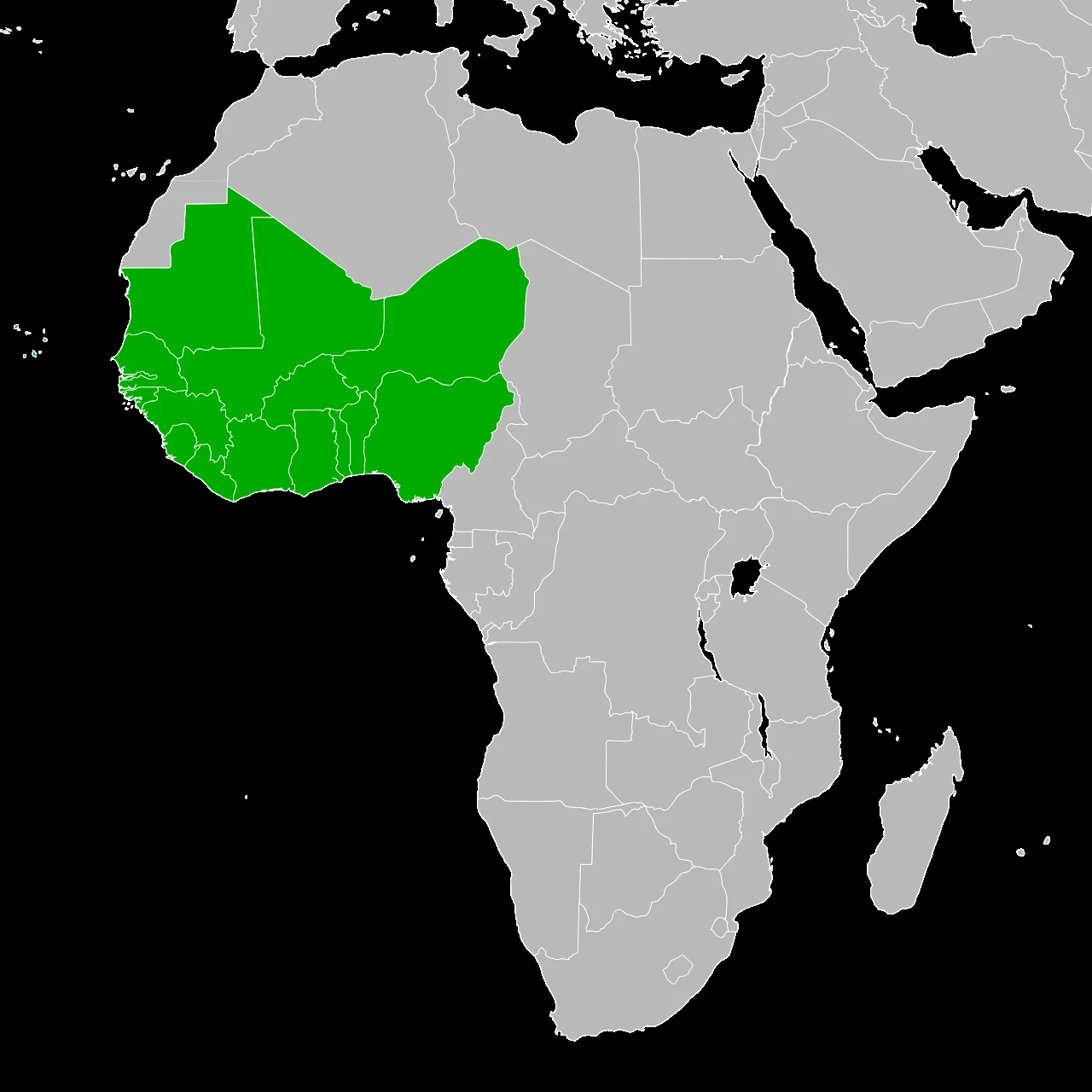
The UK’s focus on steel production could have ripple effects across Africa, where many nations rely on British imports for construction and industrial materials. A reduction in UK steel imports may lead to shifts in trade routes, potentially benefiting African producers who could fill the gap. However, this could also create challenges for African countries that depend on British markets for their exports.
For Nigeria, the UK’s steel strategy could affect bilateral trade relations. As one of Africa’s largest economies, Nigeria has historically imported significant amounts of steel from the UK and other European countries. If British steel becomes more competitive, it could impact Nigeria’s import costs and affect local industries that depend on affordable materials. The UK’s emphasis on green steel may also encourage African nations to adopt similar sustainability measures.
Challenges and Opportunities for Africa
African countries face their own challenges in developing robust steel industries. Limited access to capital, outdated infrastructure, and a lack of skilled labor have hindered growth in many regions. However, the UK’s push for green steel could present an opportunity for African nations to collaborate on sustainable development projects. Partnerships in clean energy and resource management could help African countries build more resilient economies.
Moreover, the UK’s focus on reducing imports may encourage African nations to strengthen regional trade agreements. By improving intra-African trade, countries could reduce dependency on external markets and enhance economic integration. This aligns with the African Continental Free Trade Area (AfCFTA), which aims to boost economic growth through greater trade among African countries.
What to Watch Next
The success of the UK’s steel strategy will depend on its ability to attract investment and create jobs. If the plan is effective, it could serve as a model for other countries looking to revitalize their manufacturing sectors. However, the long-term impact on African trade remains uncertain. African governments will need to monitor developments closely and adapt their policies to maintain economic stability.
As the UK moves forward with its steel ambitions, the focus will be on how it balances domestic growth with global trade responsibilities. For African nations, the challenge will be to leverage new opportunities while navigating potential disruptions. The coming months will be critical in determining how this shift affects the continent’s development trajectory.