The UK has granted the United States permission to use its military bases for potential strikes against targets in the Strait of Hormuz, a critical global shipping lane. The decision, announced by Downing Street, comes amid heightened tensions between the US and Iran, with the latter threatening to close the strategic waterway. The move has sparked concerns about regional stability and its potential ripple effects on global trade and energy security.
The Strait of Hormuz, located between Iran and the United Arab Emirates, is one of the world's most vital oil transit routes, with approximately 20% of global oil passing through it. The UK's decision to allow US military operations from its bases could escalate tensions in the region, particularly with Iran, which has repeatedly warned against foreign interference in the area.
Hormuz Developments and Regional Tensions
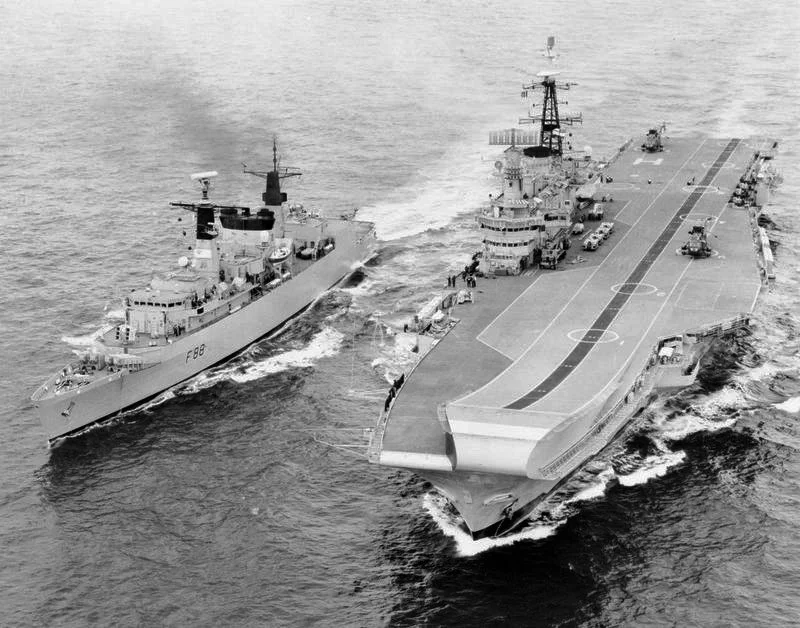
The recent developments in the Strait of Hormuz have intensified geopolitical rivalries, particularly between the US and Iran. Iran has accused the US of conducting aggressive military drills in the region, while the US has accused Iran of threatening international shipping. The UK's support for US operations signals a deeper alignment with Washington on security matters, raising concerns about the potential for direct conflict in the region.
Analysts warn that the situation could have far-reaching consequences. The UK's decision may embolden Iran to take more aggressive actions, including targeting oil tankers or disrupting shipping. The potential for military confrontation in the Strait of Hormuz could lead to global economic shocks, particularly in energy markets, which could indirectly affect African economies.
Hormuz Impact on Nigeria
Nigeria, as a major oil-producing nation, is closely watching the developments in the Strait of Hormuz. Any disruption in oil supply from the region could lead to price hikes that impact Nigeria's energy sector and broader economy. Nigeria relies on imported refined petroleum products, and a surge in global oil prices could strain the country's already fragile economic conditions.
The Nigerian government has not yet commented on the UK's decision, but experts suggest that the country should prepare for possible economic volatility. With inflation already a major concern, any further pressure on fuel prices could exacerbate social unrest and slow down economic growth. The situation also highlights the need for Nigeria to diversify its energy sources and reduce dependence on oil imports.
Iran’s Role and Global Implications
Iran's involvement in the Strait of Hormuz is a key factor in the current crisis. The country has repeatedly threatened to close the strait in response to US sanctions and military posturing. These threats have been taken seriously by global powers, with the US and its allies increasing their naval presence in the region to counter any potential aggression.
The conflict between the US and Iran is not just a regional issue; it has global implications. The Strait of Hormuz is a crucial artery for global trade, and any disruption could send shockwaves through international markets. For African countries, which depend on stable energy prices and global trade, the situation is particularly concerning. The continent's development goals, including economic growth and poverty reduction, could be undermined by instability in the region.
Why Iran Matters for Africa
The relationship between Iran and Africa is complex. Iran has historically engaged in trade and investment with several African nations, particularly in the energy and infrastructure sectors. However, the current tensions in the Strait of Hormuz could affect these partnerships, as African countries may be caught in the crossfire of a larger geopolitical conflict.
For Nigeria and other African nations, the situation underscores the need for a more independent foreign policy. While maintaining relationships with global powers is important, African countries must also prioritize their own security and economic interests. The Hormuz crisis serves as a reminder that external conflicts can have direct consequences on the continent, reinforcing the need for greater regional cooperation and self-reliance.
Frequently Asked Questions
What is the latest news about uk grants us base access for strait of hormuz strikes?
The UK has granted the United States permission to use its military bases for potential strikes against targets in the Strait of Hormuz, a critical global shipping lane.
Why does this matter for economy-business?
The move has sparked concerns about regional stability and its potential ripple effects on global trade and energy security.
What are the key facts about uk grants us base access for strait of hormuz strikes?
The UK's decision to allow US military operations from its bases could escalate tensions in the region, particularly with Iran, which has repeatedly warned against foreign interference in the area.