Hawaii officials have ordered the evacuation of over 5,000 residents after a 120-year-old dam on the island of Oahu faced the risk of failure, triggering the worst flooding in two decades. The emergency came as heavy rains overwhelmed the aging infrastructure, prompting immediate action to prevent loss of life and further damage.
The dam, built in 1903, is a critical part of the island's water management system. Its structural integrity has been a growing concern for years, but the recent deluge has accelerated the risk of a catastrophic failure. Officials issued urgent warnings, urging residents in low-lying areas to leave their homes immediately.
Infrastructure Challenges in a Changing Climate
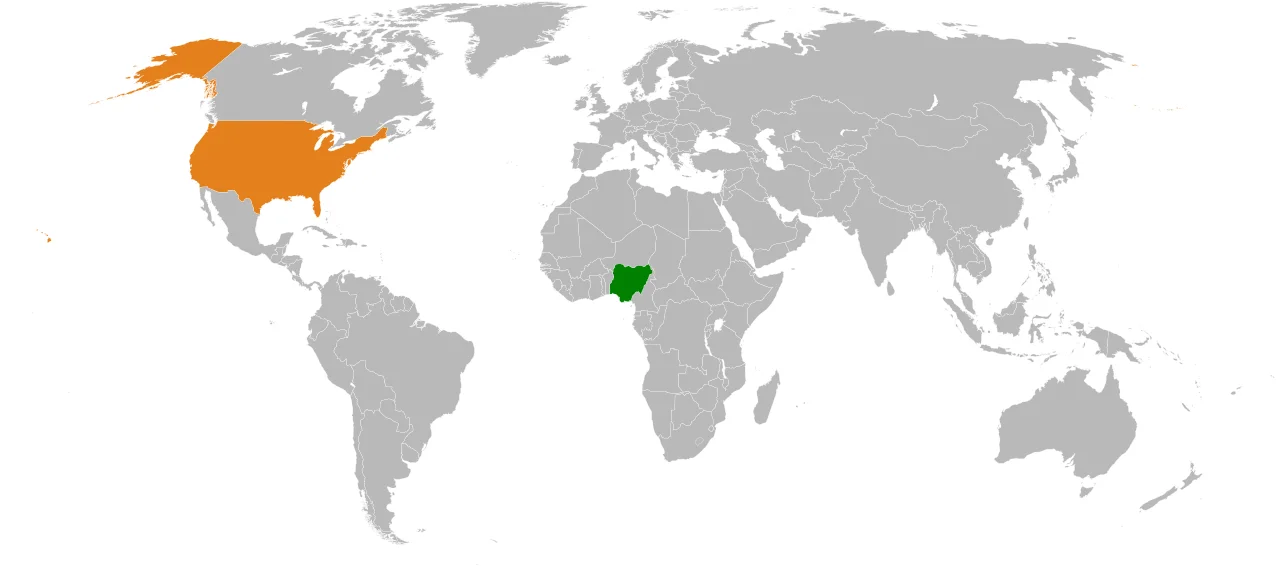
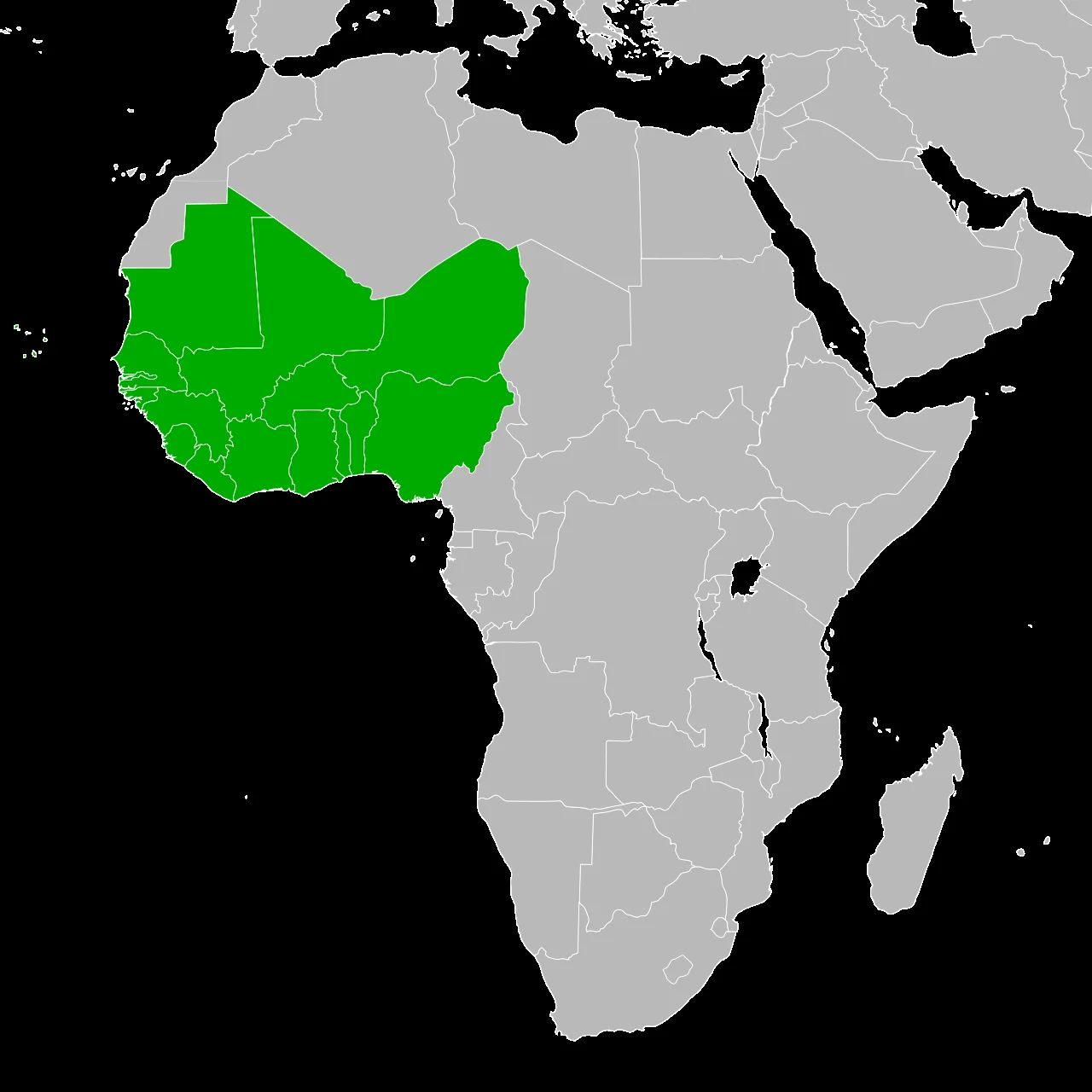
The crisis in Hawaii highlights a broader issue facing many regions worldwide, including parts of Africa, where aging infrastructure struggles to cope with the increasing frequency of extreme weather events. As climate change intensifies, the need for modern, resilient infrastructure becomes more pressing. In Africa, where many countries are still developing their infrastructure, the lessons from Hawaii could be instructive.
For African nations, the situation underscores the importance of investing in water management systems that can withstand heavy rainfall and prolonged droughts. Many African countries face similar challenges with outdated dams and levees, which are often not maintained to modern safety standards. The Hawaii incident serves as a stark reminder of the potential consequences of neglecting infrastructure upgrades.
Global Implications for Development and Governance
The Hawaii flood emergency has also raised questions about governance and emergency response. Officials were praised for their swift action, but critics pointed to the lack of long-term planning for aging infrastructure. In Africa, where governance structures vary widely, the ability to respond quickly to natural disasters can determine the success or failure of development initiatives.
Effective governance is essential for managing both immediate crises and long-term development goals. The United Nations Sustainable Development Goals (SDGs) emphasize the need for resilient infrastructure, and the Hawaii case illustrates the risks of failing to meet that standard. African leaders must prioritize infrastructure investment to ensure that their populations are protected from similar threats.
Health and Education in the Wake of Disasters
Disasters like the Hawaii floods have far-reaching effects beyond immediate safety concerns. Health systems can be overwhelmed, and education infrastructure may suffer damage, disrupting learning for children. In Africa, where many communities already struggle with limited access to quality healthcare and education, the impact of such events can be even more severe.
Investing in resilient health and education systems is crucial for long-term development. As African nations work to achieve the SDGs, they must ensure that their infrastructure can withstand natural disasters. The Hawaii event serves as a cautionary tale, emphasizing the need for proactive planning and investment in critical sectors.
Looking Ahead: Lessons for Africa
While the situation in Hawaii is specific to the region, the underlying issues of aging infrastructure and climate vulnerability are relevant across the globe, including Africa. As African countries continue to grow and develop, they must learn from such events to build more resilient societies.
Looking forward, the focus should be on sustainable development, with an emphasis on infrastructure that can adapt to changing environmental conditions. By learning from global experiences, African nations can better prepare for the challenges of the future and ensure that their development goals remain on track.