A meningitis outbreak in Nigeria has raised alarm among public health officials, with the disease spreading rapidly in several states. The disease, which causes inflammation of the brain and spinal cord membranes, is particularly dangerous for children and young adults. According to the latest health update from the Kent Institute of Public Health, the situation is worsening, with rising case numbers and limited access to treatment in rural areas.
What is Meningitis and How is it Spread?
Meningitis is an infection that affects the protective membranes surrounding the brain and spinal cord. It can be caused by bacteria, viruses, or fungi. The most common form in Nigeria is bacterial meningitis, which spreads through respiratory and throat secretions. Close contact, such as coughing or sharing utensils, can transmit the disease. Symptoms include high fever, severe headache, stiff neck, and sensitivity to light.
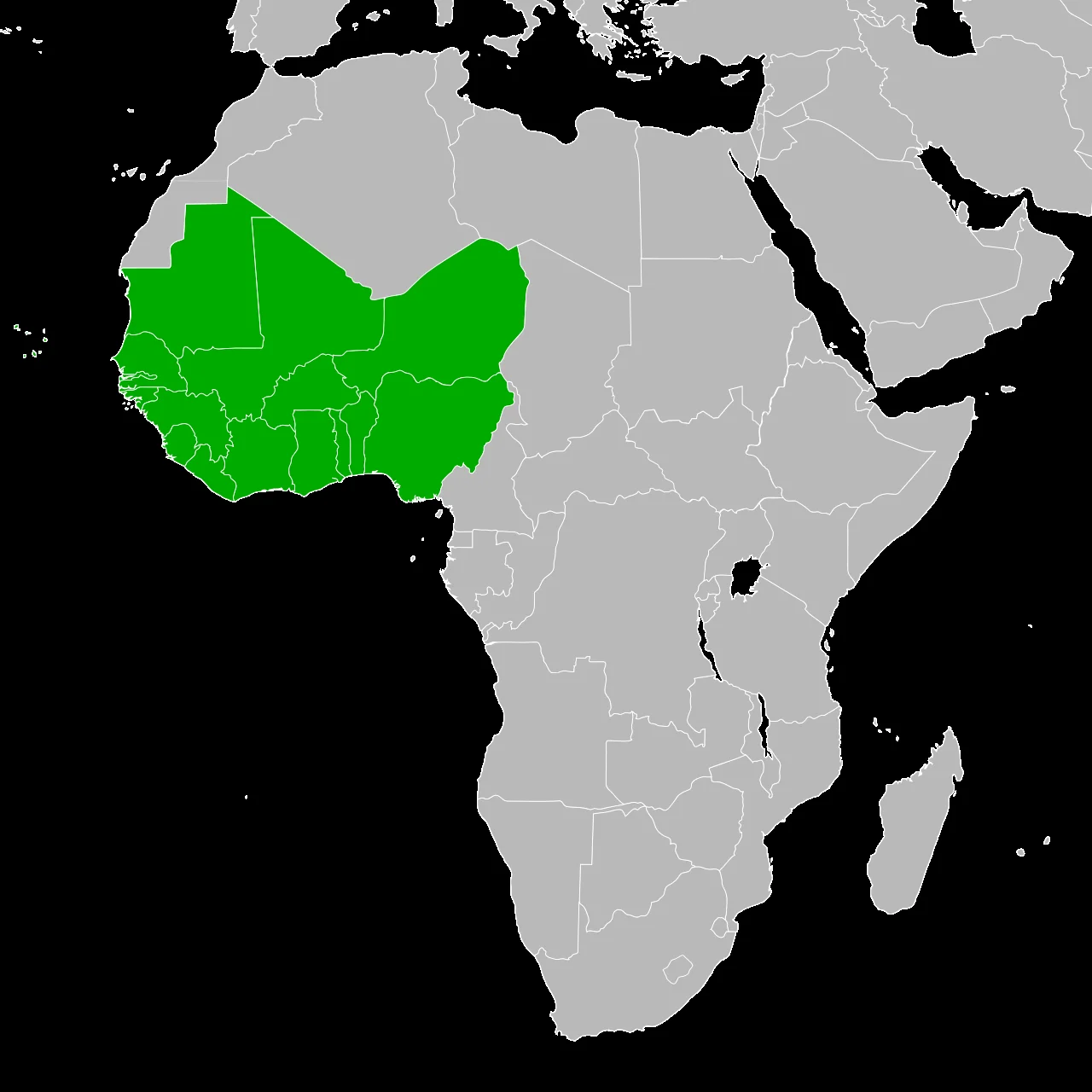
Health experts warn that early diagnosis and treatment are critical to preventing severe complications, including brain damage and death. However, in many parts of Nigeria, access to healthcare remains a challenge. The Kent analysis Nigeria highlights that many affected communities lack basic medical facilities, leading to delayed treatment and increased mortality rates.
Impact on Nigeria’s Health Infrastructure
The recent meningitis outbreak has exposed significant weaknesses in Nigeria’s health infrastructure. With over 200 million people, the country struggles to provide adequate medical care, particularly in rural regions. The Kent health update underscores that only a fraction of the population has access to vaccines, which are crucial in preventing outbreaks.
According to the World Health Organization, Nigeria has one of the highest rates of vaccine-preventable diseases in Africa. The lack of a robust immunization program has left many vulnerable to outbreaks. The Kent analysis Nigeria suggests that without urgent investment in public health, similar crises will continue to plague the country.
How Meningitis Affects African Development Goals
The spread of meningitis in Nigeria has broader implications for African development goals, particularly those related to health, education, and economic growth. A healthy population is essential for productivity and development, but recurring health crises hinder progress. The United Nations Sustainable Development Goals (SDGs) emphasize the need for universal health coverage, which remains a distant target in many African nations.
The Kent analysis Nigeria also points to the economic cost of disease outbreaks. When communities are hit by meningitis, schools close, and workers fall ill, leading to lost income and reduced economic output. This cycle of illness and poverty undermines long-term development and reinforces existing inequalities across the continent.
What Can Be Done to Prevent Future Outbreaks?
Experts recommend a multi-pronged approach to tackle meningitis in Nigeria. This includes expanding vaccination programs, improving access to healthcare, and increasing public awareness about the disease. The Kent health update highlights successful immunization campaigns in other African countries as a model for Nigeria to follow.
Additionally, the government must prioritize public health funding and collaborate with international organizations to strengthen the healthcare system. Without these steps, Nigeria will continue to face recurring health emergencies that threaten both lives and development. The Kent analysis Nigeria warns that the current situation is a wake-up call for policymakers across Africa.
Looking Ahead: What to Watch Next
Health officials are closely monitoring the meningitis outbreak, with hopes that a coordinated response can prevent further spread. The Kent analysis Nigeria suggests that the coming months will be critical in determining whether the country can recover from this crisis. If not, the impact on Nigeria’s development goals could be long-lasting.
For now, the focus remains on containment and treatment. However, the broader lesson is clear: without investment in health infrastructure and preventive care, African nations will continue to face similar challenges. As the Kent health update shows, the fight against meningitis is not just a medical issue but a development imperative.
Frequently Asked Questions
What is the latest news about meningitis outbreak sparks health crisis in nigeria kent analysis reveals widespread concern?
A meningitis outbreak in Nigeria has raised alarm among public health officials, with the disease spreading rapidly in several states.
Why does this matter for health-medicine?
According to the latest health update from the Kent Institute of Public Health, the situation is worsening, with rising case numbers and limited access to treatment in rural areas.
What are the key facts about meningitis outbreak sparks health crisis in nigeria kent analysis reveals widespread concern?
The most common form in Nigeria is bacterial meningitis, which spreads through respiratory and throat secretions.