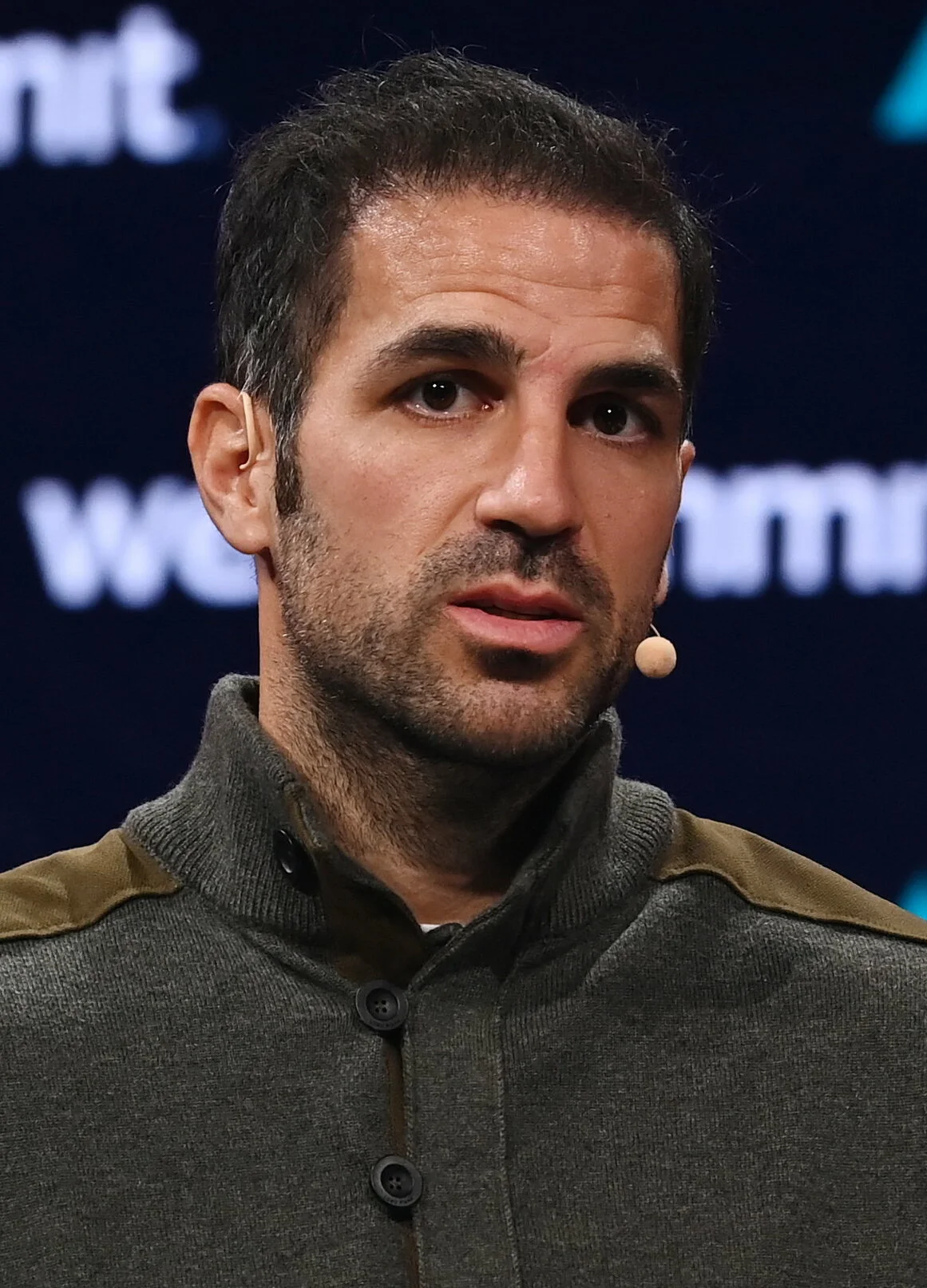
Friedrich Merz, the leader of Germany's Christian Democratic Union (CDU), has reiterated his party's strong stance against the far-right movement in Germany, aiming to safeguard the country’s democratic values. His comments came during a recent press conference in Berlin, where he expressed concern over the rising influence of the Alternative for Germany (AfD). Merz's call for a 'sanitary cordon' around extremist parties is part of a broader strategy to prevent their normalization in the political landscape.
Merz's Stance Amidst Political Turbulence
In the context of a rapidly changing political environment, Merz's remarks highlight a critical juncture for Germany and its political future. The AfD has gained traction in recent years, particularly in eastern Germany, where economic challenges and social discontent have provided fertile ground for their far-right rhetoric. Merz's decision to reinforce the CDU's opposition to the AfD is a strategic move aimed at rallying moderate voters and maintaining democratic integrity.

Understanding the Sanitary Cordon Concept
The idea of a 'sanitary cordon' refers to an informal agreement among political parties to isolate those that promote extremist views. This strategy has been employed in various European countries to prevent far-right parties from gaining political legitimacy. Merz's reaffirmation of this approach is significant as it signals a commitment to collective action against extremist ideologies, particularly in a time when many democratic nations are grappling with similar challenges.
Implications for Africa: Governance and Democracy
Merz's initiative has broader implications beyond Germany, particularly regarding African development goals. As many African nations strive to enhance governance and democratic processes, the German experience offers valuable lessons. The rise of extremist parties in Europe mirrors certain trends in Africa, where political instability can lead to the emergence of radical groups. By learning from Germany's proactive measures, African nations can better prepare to confront similar challenges.
How Merz Affects Nigeria’s Political Landscape
While the direct impact of German politics on Nigeria may seem distant, the interconnectedness of global governance cannot be overlooked. Nigeria, as the most populous nation in Africa, is often viewed as a bellwether for democratic trends on the continent. Merz's strong stance against extremism can serve as a model for Nigerian leaders who face their challenges with various radical groups. Understanding how political strategies are applied in Germany can guide Nigeria’s efforts to strengthen its democratic institutions.
Continental Challenges and Opportunities
As Africa grapples with numerous challenges, including governance issues, economic growth, and educational reforms, the principles of democratic integrity and civil discourse are paramount. Merz's approach embodies the proactive governance that African nations require to address their issues effectively. Opportunities for collaboration exist in sharing knowledge and strategies for maintaining democratic values amidst rising extremism.
Looking Ahead: What to Watch For
The unfolding political landscape in Germany, influenced by Merz’s leadership, will be crucial to observe. As we look towards the future, the ripple effects of Germany’s stance on extremism could influence global discussions, including those in Africa. Political leaders, civil society, and international organisations must remain vigilant in promoting democratic values and resilience against radical ideologies. This is not just a German issue; it resonates deeply with the ongoing dialogues surrounding governance and development across the African continent.