A Tunisian MP has been sentenced to eight months in prison for social media posts that mocked the president, drawing attention to the ongoing tensions within Tunisian politics. This incident, which occurred on October 1, 2023, highlights the complex relationship between governance and freedom of expression in Tunisia, a country still grappling with the legacies of the Arab Spring.
Context and Background
Tunisia, often heralded as the birthplace of the Arab Spring, has faced significant political turmoil since the uprising in 2011 that led to the ousting of longtime president Zine El Abidine Ben Ali. While the revolution initially sparked hopes for democratic reforms, the political landscape has remained fraught with challenges, including corruption, economic instability, and social unrest. The current president, Kais Saied, has been accused of authoritarian tendencies, as he consolidates power and limits dissent. This recent incarceration of an MP serves as a stark reminder of the fragile state of democracy in Tunisia and the broader implications for governance across Africa.
Key Developments
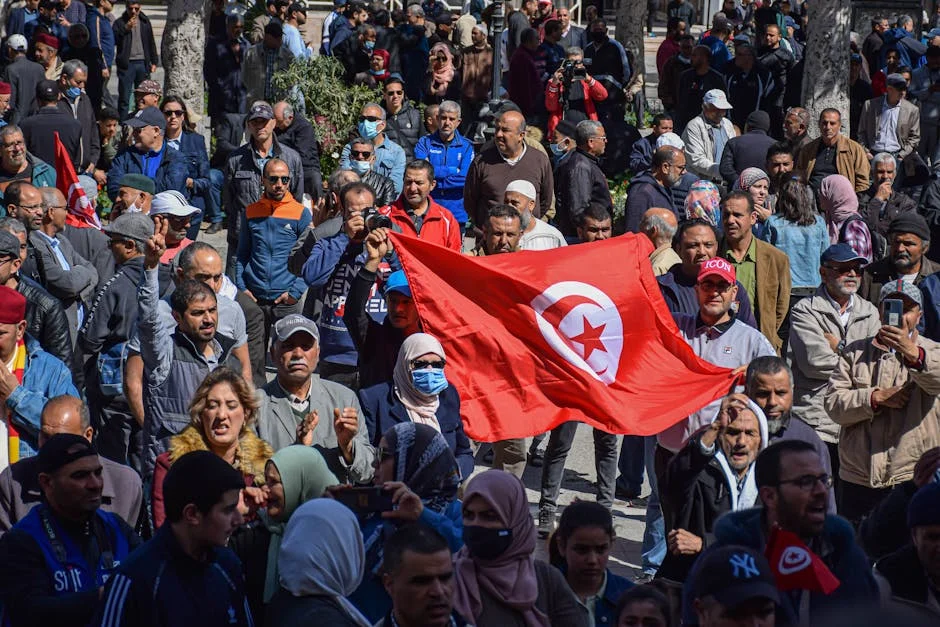
The Tunisian MP, who has not been publicly identified, was charged with insulting President Saied through various posts on social media platforms. This legal action has been interpreted by critics as part of a wider campaign to silence opposition voices and suppress free speech in Tunisia. Following the sentencing, protests erupted in several cities, with citizens expressing their discontent over the government's increasingly repressive measures. Demonstrators have called for greater freedoms and a return to the principles of democracy that were promised after the revolution.
Details and Evidence
According to Human Rights Watch, Tunisia has seen a rise in politically motivated prosecutions in recent years, with many activists and critics of the government facing harassment or imprisonment. A 2022 report indicated that nearly 40% of Tunisians felt their political rights had declined, raising concerns about the country's trajectory towards autocracy. Statements made by international bodies, including the European Union, have urged the Tunisian government to uphold human rights and ensure a free political environment.
Analysis: African development and pan-African perspective
This incident reflects broader themes in African development, particularly the struggle for democratic governance and human rights on the continent. As nations pursue development goals, the importance of robust governance frameworks cannot be overstated. The case of the imprisoned MP illustrates the tension between state authority and civil liberties, a challenge that resonates beyond Tunisia. Many African countries face similar dilemmas, where the suppression of dissent can hinder social progress and economic growth. Ensuring that citizens can freely express themselves is crucial for fostering an environment where development can flourish.
Impact and Implications
The implications of this event extend far beyond the borders of Tunisia. As the country grapples with its political identity, it serves as a litmus test for other nations in the region. Observers will be watching closely to see if this incident sparks a broader backlash against government repression or if it leads to further crackdowns on dissent. Economically, continued political instability could deter foreign investment and undermine progress towards achieving sustainable development goals (SDGs)—particularly those related to good governance, partnerships, and reduced inequalities.
Outlook
Looking ahead, the situation in Tunisia remains precarious. Experts suggest that the international community must play a role in encouraging democratic reforms while holding the government accountable for human rights violations. Analysts predict that continued civil society engagement will be essential in pushing back against authoritarianism. Readers should stay attuned to developments in Tunisian politics, as the outcome of this case may influence the trajectory of governance and civil liberties across Africa, setting a precedent for how countries navigate the complex interplay between leadership and public dissent.
Frequently Asked Questions
What is the latest news about tunisian mp sentenced to eight months for mocking president a political reflection?
A Tunisian MP has been sentenced to eight months in prison for social media posts that mocked the president, drawing attention to the ongoing tensions within Tunisian politics.
Why does this matter for politics-governance?
While the revolution initially sparked hopes for democratic reforms, the political landscape has remained fraught with challenges, including corruption, economic instability, and social unrest.
What are the key facts about tunisian mp sentenced to eight months for mocking president a political reflection?
This recent incarceration of an MP serves as a stark reminder of the fragile state of democracy in Tunisia and the broader implications for governance across Africa.Key DevelopmentsThe Tunisian MP, who has not been publicly identified, was charged wi