Lead paragraph: Recent violence across Nigeria has drawn attention to the stark contrast between the nation's socio-political challenges and the lavish wedding of Zamfara State Governor Bello Matawalle, prompting critiques regarding the optics of such celebrations amid widespread unrest.
Context and Background
Nigeria, Africa's most populous country, is currently grappling with significant security challenges, including persistent kidnappings, banditry, and communal violence, particularly in the northern regions. With a vast population of over 200 million people, Nigeria's development goals are often overshadowed by these ongoing conflicts, which hinder progress in areas such as education, infrastructure, and health. The recent unrest has intensified scrutiny on how governance and resource allocation are managed in a nation rich in natural resources yet plagued by poverty and inequality.

Key Developments
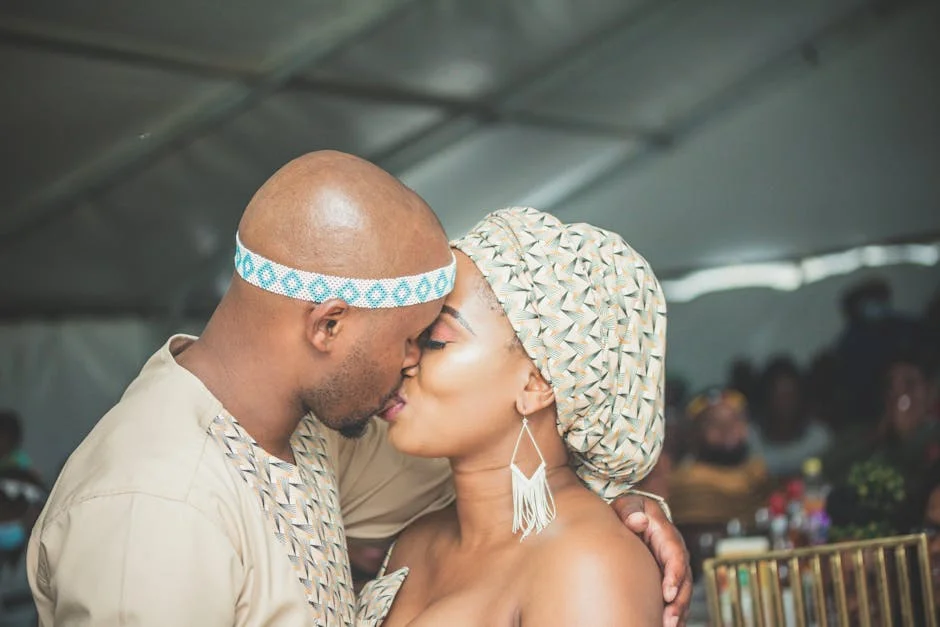
On February 10, 2023, the wedding of Governor Bello Matawalle's daughter in Abuja drew significant media attention not only for the extravagant guest list including high-profile politicians and celebrities but also for the juxtaposition it presented against the backdrop of violence in various states. The celebrations came at a time when several local communities were reeling from violent attacks, leading to widespread calls for a more responsible representation of leadership in times of crisis.
Details and Evidence
The Nigerian Police Force reported an increase in violent incidents in states like Kaduna and Niger, where bandit attacks have become common. Recent statistics indicate that over 3,000 people were kidnapped in 2022 alone. This stark reality contrasts sharply with the opulence of high-profile events, which has led to questions about the prioritisation of governance and the welfare of citizens. Additionally, there was notable backlash on social media, where citizens expressed outrage over the perceived disconnect between the elite and the everyday struggles faced by ordinary Nigerians.
Analysis: African development and pan-African perspective
The optics surrounding the wedding raise significant concerns about leadership accountability and the fulfilment of African development goals, particularly in the context of Nigeria's vision for a prosperous and united continent. The need for sustainable development in Nigeria cannot be overstated; with over 40% of its population living below the poverty line, the focus should ideally shift towards enhancing infrastructure, improving health services, and advancing education rather than showcasing wealth. Such events remind us of the urgent need to address the governance issues that lead to instability and hinder economic growth.
Impact and Implications
The backlash against the extravagant wedding amidst ongoing violence could have lasting implications for Nigeria’s political landscape. Citizens are increasingly demanding accountability, and the perception that leaders are detached from the realities of their constituents could erode public trust in governance. This discontent may catalyse further civil engagement, pushing for reforms that align more closely with the aspirations of the populace. As Nigeria pursues its development goals, leadership that prioritises the needs of all citizens rather than a privileged few will be essential.
Outlook
As the situation in Nigeria continues to evolve, experts suggest that the government must take decisive action to address both security concerns and socio-economic inequalities. Future developments may focus on restoring public trust through transparent governance and increased efforts towards socio-economic reforms. Readers should watch for potential policy changes and government initiatives aimed at stabilising regions plagued by violence, as well as the impact of citizen activism on leadership accountability in the lead-up to the next election cycle.