In a significant diplomatic development, Libya’s Prime Minister, Abdul Hamid Dbeibah, extended a warm welcome to the newly appointed Egyptian Foreign Minister, Sameh Shoukry, during an official visit to Tripoli on Tuesday. The meeting, held at the Prime Minister's office, underscored Libya’s intent to bolster regional cooperation amid ongoing political challenges and to foster stronger bilateral ties with Egypt, a key neighbor and regional power. The visit marks a notable step in Libya’s efforts to restore stability and rebuild diplomatic relations strained by years of internal conflict and regional interference.
Libya and Egypt: A Longstanding Relationship Under Strain
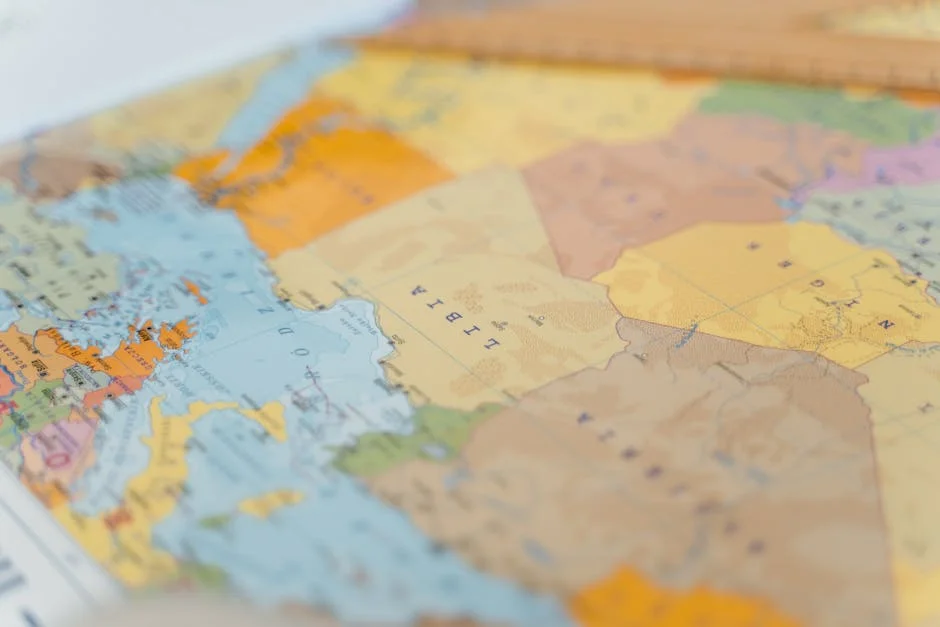
Libya and Egypt share a complex history characterized by cultural ties, economic cooperation, and political interdependence. However, their relationship has faced turbulence over the past decade due to Libya’s internal turmoil following the 2011 uprising that ousted Muammar Gaddafi. The subsequent fragmentation of Libyan authority led to competing governments and armed factions, complicating regional diplomacy and security architecture.
Egypt, concerned about border security and regional stability, has historically played an active role in Libya’s affairs. It has supported various factions at different times, aiming to shape developments favorably for its national interests. The recent visit signifies an effort by both nations to reset and strengthen their strategic partnership amidst shifting regional dynamics.
The Context of the Visit: Restoring Diplomatic Momentum
The trip by Foreign Minister Shoukry to Tripoli comes at a critical juncture for Libya’s political landscape. After years of conflict, Libya is in a fragile state with multiple governments vying for legitimacy. The Government of National Unity (GNU), led by Prime Minister Dbeibah, remains the internationally recognized authority, but negotiations continue to forge a unified national government and hold elections.
Egypt has expressed interest in supporting Libya’s stabilization process, emphasizing the importance of a unified Libyan state to regional security. This visit signals Egypt’s willingness to deepen diplomatic ties, assist in security cooperation, and promote economic reconstruction efforts. Both countries see mutual benefit in fostering peace and stability along their shared border and within the broader North African region.
Key Highlights from the Meeting
According to official statements, Prime Minister Dbeibah welcomed the Egyptian delegation and underscored Libya’s desire for enhanced cooperation. The discussions covered a broad spectrum of issues, including security, border management, economic development, and regional stability. Both leaders reaffirmed their commitment to combating terrorism, illegal migration, and smuggling networks that threaten both nations.
Shoukry, for his part, expressed Egypt’s support for Libya’s sovereignty and political process. He emphasized the importance of dialogue and national reconciliation, urging Libyan factions to prioritize peaceful negotiations over armed conflict. The Egyptian foreign minister also reiterated Egypt’s readiness to assist Libya through technical support and development projects.
Highlights from the talks include:
- Agreement to enhance border security measures and coordinate military efforts against extremist groups.
- Exploration of joint economic initiatives, including infrastructure projects and trade facilitation.
- Promotion of cultural and educational exchanges to foster people-to-people ties.
- Establishment of a bilateral commission to oversee ongoing cooperation efforts.
Implications for Regional Stability
The Libyan-Egyptian engagement holds broader implications for North African regional stability. Both countries view a stable Libya as crucial to preventing spillover effects such as increased migration, arms trafficking, and terrorism. Egypt’s proactive diplomatic stance aligns with its broader strategy of maintaining influence in Libya and preventing destabilizing elements from gaining ground.
Observers note that the visit could serve as a catalyst for renewed international support for Libya’s political process. The United Nations and regional bodies have repeatedly emphasized the importance of inclusive dialogue and timely elections to cement peace. Egypt’s involvement, along with other regional actors, is seen as pivotal in shaping Libya’s path toward stability.
Moreover, the visit highlights the shifting geopolitical landscape in the Middle East and North Africa, where diplomatic engagement increasingly replaces military intervention as a means of conflict resolution. It underscores Egypt’s strategic aim to be a stabilizing force in the region while safeguarding its national security interests.
Challenges Ahead: Navigating Political Complexities
Despite the positive tone of the visit, numerous challenges remain for Libya’s political reconciliation. The country’s political landscape is fragmented, with rival factions and armed groups often operating outside state control. Achieving lasting peace requires addressing these underlying issues, including economic hardship, regional rivalries, and the proliferation of armed militias.
The road to elections remains fraught with obstacles, such as disagreements over constitutional frameworks and power-sharing arrangements. External actors, including neighboring countries, have vested interests that can complicate diplomatic efforts. Egypt’s role as a regional mediator will be crucial, but it must navigate these complex dynamics carefully.
Furthermore, economic reconstruction is vital to garnering public support for peace. Libya’s economy has been severely impacted by conflict, with infrastructure damage, unemployment, and a volatile security environment hampering recovery efforts. International aid and regional cooperation, including Egyptian initiatives, are essential to address these issues effectively.
Future Outlook: Toward a Unified and Stable Libya
The recent diplomatic engagement between Libya and Egypt signifies a positive step toward regional cooperation and internal stabilization. While challenges persist, the willingness of both nations to work together reflects a shared recognition of the importance of peace in North Africa.
Looking ahead, the success of this renewed partnership will depend on several factors:
- Continued support from international organizations for Libya’s political process.
- Effective implementation of security agreements and military coordination.
- Progress toward holding nationally inclusive elections.
- Economic reforms and reconstruction initiatives that address the needs of ordinary Libyans.
- Persistent diplomatic engagement by regional powers to prevent spoilers from undermining peace efforts.
Both Libya and Egypt have expressed optimism about the prospects for deeper cooperation and regional peace. The coming months will be critical in testing their commitment and translating diplomatic gestures into tangible progress on the ground.
As Libya continues its journey toward stability, the support and partnership of neighboring countries like Egypt will remain vital. The international community closely watches these developments, hopeful that renewed diplomatic efforts will accelerate Libya’s path to peace and unity.
While challenges persist, the willingness of both nations to work together reflects a shared recognition of the importance of peace in North Africa. The United Nations and regional bodies have repeatedly emphasized the importance of inclusive dialogue and timely elections to cement peace.