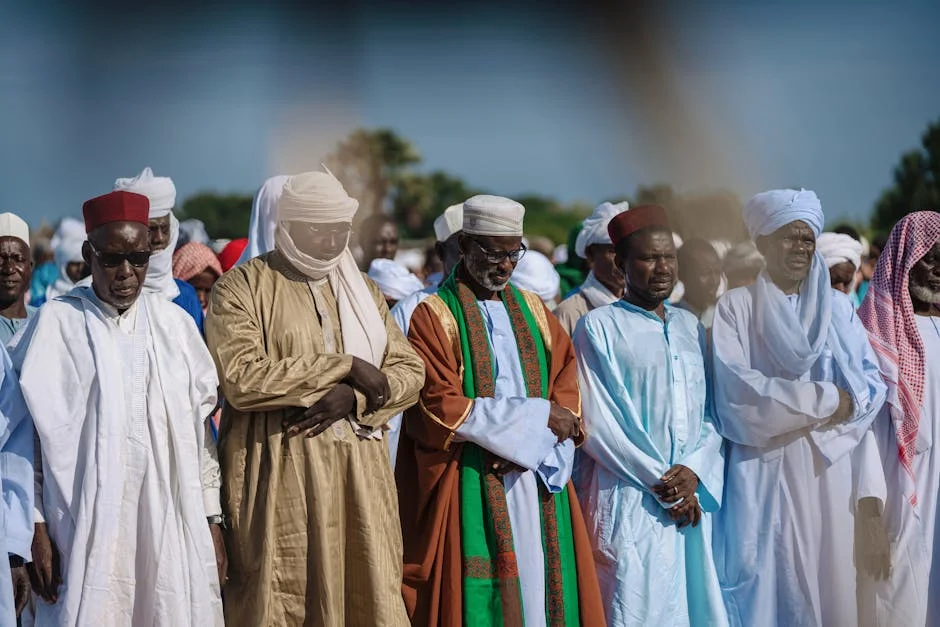
In recent weeks, the government of Tunisia has issued a new directive urging Malian nationals residing in the country to complete a registration process with local authorities. This move, announced in early April 2024, has sparked widespread discussions and concerns among the Malian expatriate community, human rights organizations, and regional policymakers. The registration campaign aims to streamline the documentation of foreign residents, but critics argue it could lead to increased insecurity and marginalization for Malians living in Tunisia, many of whom have sought asylum or improved economic opportunities amidst ongoing instability at home.
The Context: Mali’s Ongoing Crisis and Its Diaspora

Mali has been embroiled in a complex crisis since 2012, marked by a combination of political upheaval, armed conflict, and socio-economic instability. The resurgence of jihadist insurgencies, coupled with governmental struggles to maintain control over vast territories, has prompted many Malians to seek refuge or better livelihoods abroad. Tunisia, a North African nation with historically open borders and a relatively stable political environment, has become a destination for Malian migrants, including students, workers, and asylum seekers.
According to estimates from regional migration agencies, over 50,000 Malians currently live in Tunisia, although precise figures remain elusive due to irregular migration patterns. Many of these individuals settled in Tunisian urban centers like Tunis and Sfax, working in sectors such as construction, agriculture, or informal trade. For a significant portion, Tunisia represents a temporary refuge or a stepping stone toward further migration to Europe or other parts of Africa.
The New Directive: Details and Implementation
The Tunisian authorities announced that all Malian nationals must register with local immigration offices by the end of May 2024. The registration process involves providing personal identification documents, proof of residence, and, in some cases, employment information. Authorities justify the move as a necessary step to improve national security, regulate migration flows, and facilitate access to services for foreign residents.
However, critics highlight that the directive is vague regarding the criteria for registration, the rights of those who register or refuse to do so, and the measures taken against undocumented migrants. Moreover, reports indicate that the registration centers are under-resourced and overwhelmed, leading to long wait times and confusion among Malian residents.
In official statements, Tunisian officials emphasized that the registration is voluntary but recommended, suggesting that those who fail to comply might face difficulties renewing visas or accessing social services. Human rights advocates warn that this could effectively coerce Malian migrants into revealing their status publicly, exposing them to potential detention or deportation.
Reactions from the Malian Community and Human Rights Groups
The response from Malian communities in Tunisia has been mixed. Many express anxiety about how the registration policy might affect their safety and livelihood. “We came here seeking stability and work, not to become targets of suspicion,” said Amadou Keita, a Malian trader in Tunis. “If our documents are not recognized or if we are forced to register under duress, it puts us at risk of detention or deportation to a country still embroiled in conflict.”
Human rights organizations have raised concerns about the potential for abuse and discrimination. The African Migration Foundation issued a statement urging Tunisian authorities to ensure that the registration process respects migrants' rights and does not lead to arbitrary detention or unfair treatment. They also called for clear protections for those who choose not to register and for transparency about how the data collected will be used.
Meanwhile, some Malian migrants have expressed frustration at the lack of official communication and guidance. Many report confusion about what documents are needed and fear being misclassified or unfairly targeted. “We are caught in a difficult situation. We want to comply to avoid trouble, but we don’t have enough information,” said Mariam Diarra, a Malian student in Sfax.
Government Perspectives and Justifications
The Tunisian government defends the registration campaign as a necessary security measure aimed at managing migration more effectively. In a recent press briefing, Interior Minister Nabil Ammar stated, “Our goal is to ensure the safety of all residents and to formalize the presence of foreign nationals in Tunisia. This helps us provide better services and prevent illegal activities.”
Officials also emphasized that the registration does not equate to deportation or discrimination but is part of broader efforts to modernize migration management. They pledged to provide assistance and information to migrants and to establish hotlines for inquiries and support.
Nevertheless, critics argue that the timing and manner of implementation are problematic, especially given the current economic challenges faced by Tunisia, including inflation and unemployment. They warn that such policies could exacerbate social tensions and fuel xenophobic sentiments among the local population.
Historical Patterns of Migration and Policy in North Africa
Migration policies across North Africa have historically fluctuated between openness and restriction, often shaped by regional security concerns, economic constraints, and diplomatic relations. Countries like Libya, Algeria, and Tunisia have all experienced periods of heightened border controls and crackdowns on irregular migrants.
In the context of recent years, increased securitization of migration has accompanied regional efforts to curb irregular crossings, often resulting in human rights violations and the marginalization of migrant communities. The situation with Malians in Tunisia fits into this broader pattern, where governance priorities sometimes clash with humanitarian considerations.
Experts note that such policies often have unintended consequences, pushing migrants into irregular channels, increasing vulnerability, and complicating integration efforts. The challenge lies in balancing national security with respect for migrants' rights and dignity.
Implications for Mali-Tunisia Relations and Regional Stability
The Malian government has expressed concern over the Tunisian registration policy, calling for dialogue and the protection of its nationals abroad. In a statement, Mali’s Ministry of Foreign Affairs urged Tunisian authorities to ensure that the rights of Malian migrants are upheld and that no collective punishment occurs.
Regional organizations, including the African Union and the Economic Community of West African States (ECOWAS), have also issued statements emphasizing the importance of protecting migrant rights and fostering cooperation among member states. They advocate for diplomatic engagement to address the root causes of migration and to promote safe, legal avenues for movement.
For Tunisia, maintaining positive relations with its neighbors and regional partners is crucial, especially as it seeks to bolster its economy and regional standing. The country’s handling of the Malian registration issue could influence broader diplomatic and migration policies in the coming months.
Looking Ahead: The Future of Malian Migrants in Tunisia
The immediate future remains uncertain for Malian migrants in Tunisia. Many are awaiting further guidance from authorities amid reports of ongoing registration drives and community outreach efforts. Human rights groups continue to monitor the situation closely, advocating for migrants’ rights and fair treatment.
There are calls for Tunisia to develop clearer, more inclusive policies that recognize the contributions of migrants and ensure their safety. International organizations suggest that cooperation between Mali and Tunisia, along with regional bodies, can help create frameworks that protect migrants’ rights while addressing security concerns.
Ultimately, the challenge lies in balancing sovereignty, security, and human rights—a delicate act that requires transparent governance, effective communication, and respect for the dignity of all residents.
As the registration deadline approaches, the Malian diaspora in Tunisia and their supporters remain vigilant, hoping for policies that uphold their rights and facilitate their integration into Tunisian society rather than marginalize them further.
International organizations suggest that cooperation between Mali and Tunisia, along with regional bodies, can help create frameworks that protect migrants’ rights while addressing security concerns. Nevertheless, critics argue that the timing and manner of implementation are problematic, especially given the current economic challenges faced by Tunisia, including inflation and unemployment.