On International Women’s Day 2023, Women Deliver called for global systems to prioritise community needs, particularly in Africa. The initiative emphasised the importance of women's roles in sustainable development, justice, and health, highlighting the urgent need for inclusive policies that address local challenges.
Context and Background
International Women’s Day (IWD), celebrated on March 8 every year, is a focal point for women's rights and gender equality campaigns worldwide. This year's theme, 'Put Communities First', resonates strongly in the African context, where women play pivotal roles in social and economic development. The African Union has set ambitious development goals aimed at improving health, education, and governance across the continent; however, challenges remain prevalent, including inadequate infrastructure, limited access to healthcare, and systemic gender inequalities that hinder progress.
Key Developments
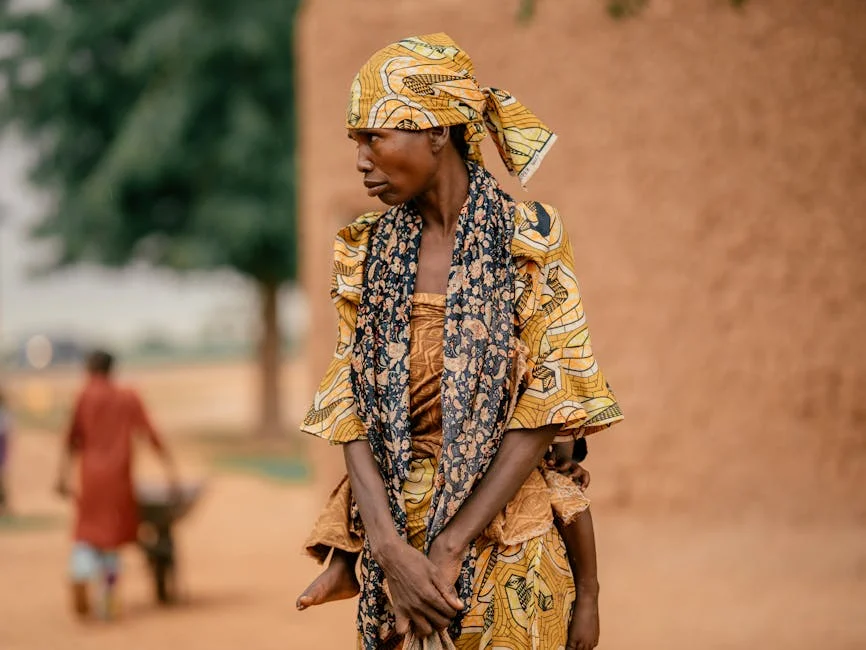
Women Deliver, a global advocacy organisation focused on gender equality and women's health, launched a campaign this IWD urging stakeholders to rethink their approaches to community development. The emphasis on localised solutions reflects a growing recognition of the need for policies that are not only gender-sensitive but also community-centric, ensuring that the voices of women and local communities are at the forefront of decision-making processes.
Details and Evidence
According to the United Nations, women in Africa are disproportionately affected by poverty, with over 60% of them engaged in informal employment, lacking access to social protections. Furthermore, the African Development Bank has highlighted that investment in women's education and health can yield significant economic returns, contributing to GDP growth and community resilience. Reports indicate that countries prioritising women's empowerment see improved health outcomes and better educational achievements, creating a ripple effect across various sectors.
Analysis: African development and pan-African perspective
This call to action by Women Deliver aligns with various African development goals, which focus on eradicating poverty, improving education, and enhancing health services. The 'Put Communities First' initiative is crucial as it urges policymakers to consider the unique challenges faced by women, particularly in rural areas. In Nigeria, for instance, where gender disparities in education and health are stark, this approach could catalyse significant improvements. By fostering a pan-African perspective that prioritises local needs and voices, the initiative could transform governance and infrastructure development across the continent.
Impact and Implications
The implications of prioritising community-centric approaches are profound. For communities in Africa, especially those led by women, this could mean better access to essential services, improved educational opportunities, and enhanced economic prospects. The focus on justice and equity in community development could also challenge existing power dynamics that perpetuate gender inequality. Stakeholders, including governments, NGOs, and private sector actors, will need to adapt their strategies to incorporate these insights, ensuring that funding and resources are allocated effectively.
Outlook
As the global community continues to respond to the challenges highlighted by Women Deliver, experts predict that there will be a shift towards more inclusive development strategies. Policymakers and analysts will be observing how this initiative influences funding priorities and programme designs, especially in countries with significant gender disparities. The focus on community-first strategies may lead to innovative solutions that address the root causes of poverty and inequality, making it essential for readers to stay informed about developments in this space.