Lead paragraph: As snowy weather blankets New York City, visitors flock to the Big Apple to experience its winter charm ahead of planned traffic closures. This event, occurring in the heart of winter, raises questions about how such developments resonate with broader challenges and opportunities facing African nations.
Context and Background
New York City, known for its iconic skyline and bustling streets, attracts millions of visitors each year. However, the winter weather has led to traffic disruptions, prompting city officials to implement closures to ensure public safety. This situation illustrates not only the dynamics of urban management in the Northeast but also serves as a lens through which to explore similar challenges faced by African cities, which are grappling with rapid urbanisation and infrastructural deficits.
Key Developments
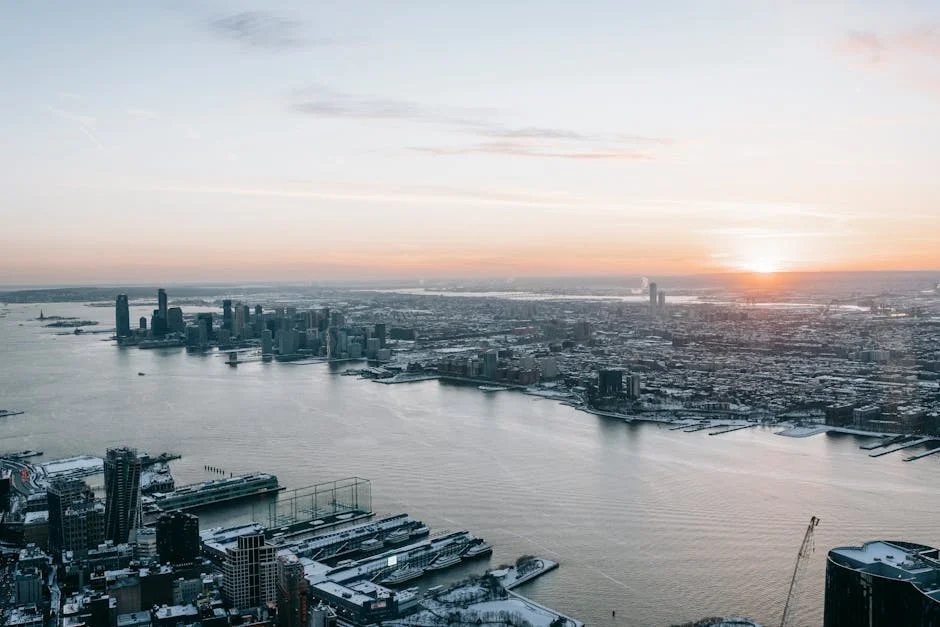
In recent days, New York City has experienced significant snowfall, leading to traffic advisories and road closures across the metropolitan area. Visitors flocked to popular attractions such as Central Park and Times Square, eager to engage with the city's winter offerings. Meanwhile, local authorities have mobilised resources to manage public safety and maintain mobility despite the weather-related challenges.
Details and Evidence
According to the National Weather Service, the Northeast received up to 10 inches of snow in some areas, prompting state and city officials to issue warnings about road conditions. Reports indicate a surge in visitors to NYC, with hotel bookings in the area seeing a notable increase. As the city works to balance tourism with public safety, the situation reflects a broader theme of managing urban growth and infrastructure in the face of environmental challenges.
Analysis: African development and pan-African perspective
This winter event in New York can be viewed through the prism of African development goals. As urban centres across Africa continue to expand, many cities face similar challenges concerning infrastructure, health, and governance. The experiences of visitors in NYC highlight the importance of efficient urban planning and resilient infrastructure, elements that are often lacking in many African cities. For instance, how cities like Lagos or Nairobi manage traffic and public safety during adverse weather conditions can inform strategies for improving urban resilience across the continent.
Impact and Implications
The traffic closures in New York may seem localised, but they resonate with broader implications for urban development in Africa. As cities across the continent strive to enhance their infrastructure and services, they must learn from the successes and failures of urban centres like NYC. The ability to manage unexpected challenges while ensuring a thriving tourism sector is crucial for economic growth and governance in African cities.
Outlook
As the winter season continues, analysts are watching how New York City navigates the balance between visitor enjoyment and public safety. Experts suggest that African cities should monitor these developments closely, drawing lessons on urban resilience and infrastructure management. The ongoing evolution of cities in the Northeast could provide insights into how similar challenges can be addressed in Africa, particularly as nations aim to meet their development goals.