Amidst escalating global interest in minerals, the United States is engaging Sahelian countries on resource diplomacy, raising questions about regional partnerships and development. This initiative, which gained momentum in late 2023, underscores the intricate balance Sahel countries must navigate between external influences and their own development goals.
Understanding the Sahelian Landscape
The Sahel region, encompassing countries such as Mali, Niger, and Burkina Faso, is grappling with multifaceted challenges including security threats, economic instability, and climate change. These issues are compounded by the region's rich mineral resources, which have attracted the attention of global powers, particularly the United States, following a prolonged period of neglect.
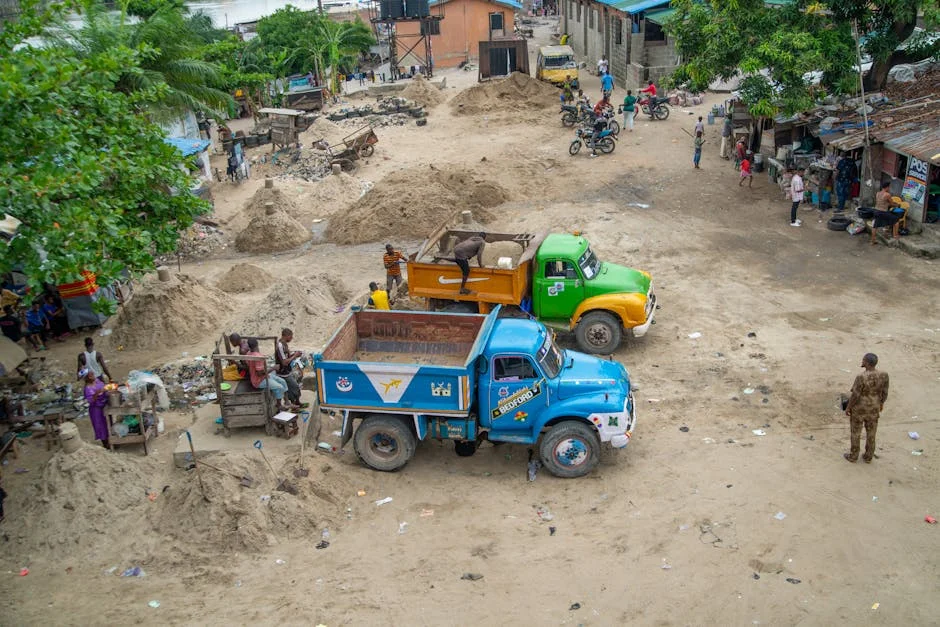
Historically, the Sahel has been a focal point of Western interest, but recent geopolitical shifts have prompted a reevaluation of partnerships. The U.S. aims to strengthen its foothold in the region through minerals diplomacy, leveraging the growing demand for critical minerals like lithium and cobalt, essential for technology and renewable energy sectors.
The U.S. Minerals Diplomacy Initiative
In late 2023, U.S. officials began high-level discussions with Sahelian governments to explore potential collaborations in mineral extraction and management. This initiative is part of a broader strategy to secure resources necessary for green technologies, which are increasingly vital in combatting climate change.
For instance, Niger is known for its uranium reserves, while Mali and Burkina Faso are rich in gold. The U.S. is keen to forge partnerships that not only benefit its energy transition goals but also contribute positively to local economies, thereby presenting an opportunity for Sahel countries to enhance their infrastructure and governance.
Challenges of External Influence
As Sahelian nations engage in discussions with the U.S., they face the challenge of maintaining sovereignty over their resources. The history of mineral exploitation in Africa is fraught with examples of extraction benefiting foreign entities at the expense of local communities. This raises concerns about whether new partnerships will genuinely promote economic growth or simply perpetuate a cycle of dependency.
Moreover, the Sahel is currently battling significant governance issues, with several countries experiencing political instability and insecurity. As these nations pursue mineral agreements, they must ensure that governance structures are robust enough to handle the influx of investment and revenue, ultimately aligning with the African Union's Agenda 2063 goals of sustainable development and economic integration.
Opportunities for Sustainable Development
The U.S. minerals diplomacy could usher in opportunities beyond mere economic growth; it can also facilitate enhancements in health and education sectors. The revenue generated from mineral resources can be channelled into vital public services, potentially transforming the lives of millions in the region.
For instance, improved infrastructure resulting from such partnerships could lead to better access to healthcare and education, addressing some of the pressing challenges faced by Sahelian populations. Additionally, fostering local industries around mineral processing could stimulate job creation, further reducing the region's vulnerability to external economic shocks.
What Lies Ahead for Sahelian Countries?
As the Sahelian nations weigh their options regarding U.S. engagement, the implications for African development goals and continental cooperation are significant. The success of these partnerships will depend on the ability of local governments to negotiate terms that are beneficial for their populations while safeguarding their natural resources.
Moreover, regional collaboration will be crucial in navigating these opportunities. By working together, Sahel countries can present a united front to potential investors, ensuring that their collective interests are prioritised. This could ultimately reshape the narrative surrounding resource management in Africa, steering it away from exploitation towards empowerment.