Lead paragraph: The humanitarian situation in South Sudan has reached alarming levels, according to Tom Fletcher, the UN Aid Chief, during a recent briefing in Juba. The escalating crisis comes as the nation faces widespread food insecurity, compounded by ongoing conflicts and climate shocks.
Context and Background
South Sudan, the world's youngest nation, has been grappling with severe humanitarian challenges since its independence in 2011. Years of civil conflict, compounded by natural disasters such as flooding and drought, have devastated infrastructure and caused mass displacement. With over 7.7 million people in need of humanitarian assistance, the situation has become increasingly dire, raising questions about the ability of the international community to respond effectively.
Key Developments
In his address, Tom Fletcher highlighted the urgent need for increased funding and support for humanitarian efforts in South Sudan. He noted that the situation is exacerbated by the impact of climate change and the global economic downturn, which have strained resources and limited access to essential services. The UN has called for immediate action to prevent further deterioration of living conditions.
Details and Evidence
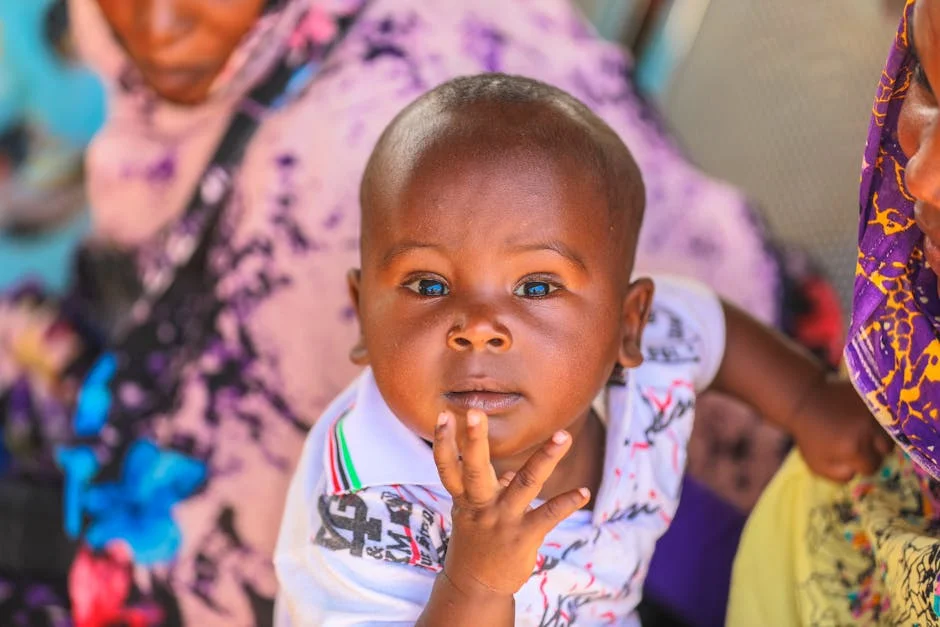
Statistics reveal that nearly 1.4 million children are acutely malnourished, while food prices have surged by 200% in some areas. Additionally, the UN's Humanitarian Response Plan for 2023 is only 50% funded, leaving crucial programmes under-resourced. This funding shortfall has led to the suspension of various health and education initiatives, further jeopardising the future of millions.
Analysis: African development and pan-African perspective
The situation in South Sudan is a stark reminder of the broader challenges faced by many African nations in achieving sustainable development goals (SDGs). The urgent humanitarian needs highlight the interlinkages between governance, economic growth, and health. For Nigeria and other nations, the crisis in South Sudan serves as a cautionary tale about the potential consequences of political instability and inadequate infrastructure on development. Moreover, as climate change increasingly impacts food security, it calls for a pan-African approach to enhance resilience through technology and collaborative efforts.
Impact and Implications
The humanitarian crisis in South Sudan has ripple effects across the region, affecting trade routes and economic stability. Countries like Nigeria must pay close attention to the developments in South Sudan, as they can influence regional security and economic conditions. Humanitarian funding and support from international partners can significantly alter the trajectory of recovery, but timely intervention is crucial to avoid a worsening situation.
Outlook
Experts warn that without immediate assistance, South Sudan's humanitarian crisis could deepen, leading to further regional instability. Tom Fletcher's latest updates emphasise the importance of collective action, with calls for greater investment in local technologies and infrastructures. Observers should watch closely for upcoming humanitarian pledges and the response of the international community in addressing this urgent situation, as it will significantly impact the development landscape across Africa.