Lead paragraph: A Tunisian MP has been sentenced to eight months in prison for social media posts deemed mocking towards the president, raising concerns about freedom of expression in the country. This development, which occurred on October 15, 2023, comes at a time when Tunisia’s governance and political stability are under scrutiny.
Context and Background
Tunisia has faced numerous challenges since the 2011 Arab Spring, which ignited hopes for democratic reform across the region. However, the political landscape remains fragile, with subsequent governments struggling to balance civil liberties, economic growth, and social stability. The recent sentencing of MP Kamel Morjane reflects ongoing tensions within Tunisian politics, particularly surrounding the government’s response to dissent and criticism. This event is not isolated; rather, it is part of a larger trend affecting various aspects of governance in the region.
Key Developments
The Tunisian judiciary announced the sentencing of Morjane for charges related to inciting hatred and undermining the president's authority through his online posts. His conviction has drawn widespread condemnation from human rights advocates, who argue that such actions stifle political discourse and threaten the democratic fabric of the nation. Critics assert that this move could deter other politicians and citizens from voicing dissent against government policies.
Details and Evidence
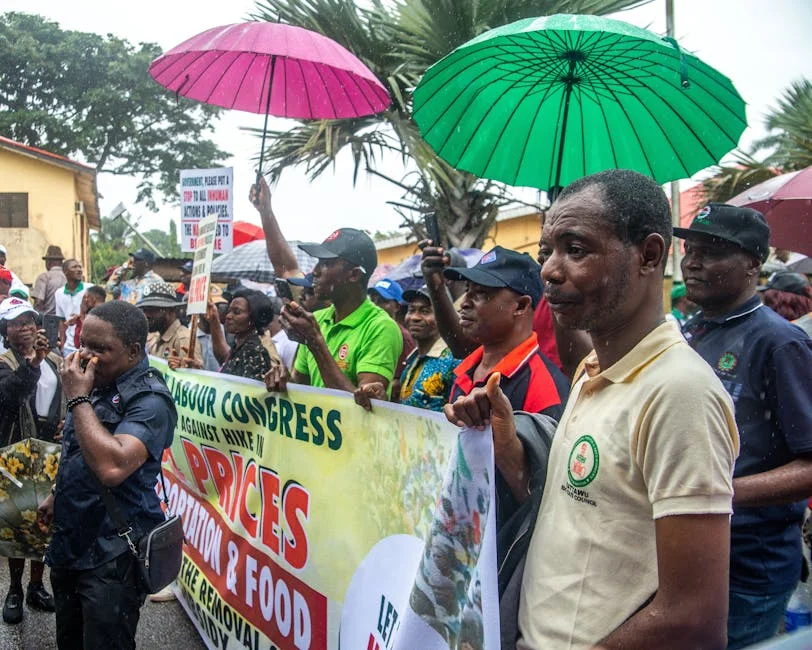
In the ruling issued by the Tunisian court, the judge cited Morjane's posts, which included satirical commentary on governmental policies and the president's decisions. Reports indicate that the case has ignited protests among opposition groups, advocating for a return to greater political freedoms and civil rights. According to the Tunisian National Forum for Human Rights, over 100 similar cases have been reported in recent months, highlighting a worrying trend of repression against dissenting voices.
Analysis: African development and pan-African perspective
This development is emblematic of broader challenges facing African governance and development. The Tunisian case underscores the tension between authority and accountability, which is critical to achieving the African Union's Agenda 2063 goals. Governance, human rights, and social justice are essential elements for sustainable economic growth, and repression of free speech can hinder progress. By stifling public discourse, Tunisia risks alienating its youth, who are essential to driving future development.
Impact and Implications
The imprisonment of Morjane may deter political engagement among the populace, leading to apathy and disengagement from the democratic process. This erosion of political trust could have long-term consequences for Tunisia’s development, particularly in areas such as health and education, where public participation is crucial. Observers argue that this creates an opportunity for civil society to rally for reforms, and to push for a more inclusive political dialogue that aligns with the continent's development ambitions.
Outlook
Moving forward, analysts suggest that Tunisia must recalibrate its approach to governance, placing emphasis on dialogue and inclusivity. The international community, including African regional bodies, will likely be monitoring the situation closely, as it could serve as a litmus test for other nations grappling with similar governance challenges. Future developments to watch include possible responses from opposition parties and civil organisations, as well as the implications for Tunisia’s international standing and investment climate.